


Pool electrics done right: pool DB boards, RCDs, timers and bonding (South African guide)
Pool electrics, done properly
Quick answer: pool electrics means giving your pool pump and filter their own protected circuit, with a small dedicated board, an earth leakage unit set to 30mA, a timer to run the pump off-peak, a weatherproof isolator at the pump, and proper bonding of the metal parts. In South Africa this work is done by a registered electrician to SANS 10142-1, and it is what keeps a wet, metal-and-water environment safe to swim in.
A pool is water, metal and mains electricity sitting close together in the sun and the rain. Get the electrics right and you never think about them again. Get them wrong and it is genuinely dangerous, because water carries current and bare feet on wet paving are the perfect path to earth. This guide walks through every part of a pool electrical setup so you understand what goes into it, what to buy, and where the electrician takes over. It is written for pool owners and anyone planning a pool, not as a wiring instruction. The connection work is for a qualified electrician, and it should end with a Certificate of Compliance.
Why a pool needs its own electrical setup
Your pool pump runs for hours a day, every day, in a damp spot outside. It should not hang off the nearest plug or share a circuit with the house lights. A dedicated circuit means the pump has its own breaker, its own earth leakage protection tuned for a wet area, and its own isolator so it can be switched off safely for cleaning or servicing without killing power to anything else.
The wet environment is the whole reason the rules are stricter around a pool than inside the house. Everything outdoors needs a higher ingress protection rating, the earth leakage sensitivity is tighter, and the metalwork around the pool has to be bonded so it can never sit at a different voltage to the water. None of that is expensive relative to a pool, and all of it is standard for an electrician who does pools.
The pool DB board and IP ratings
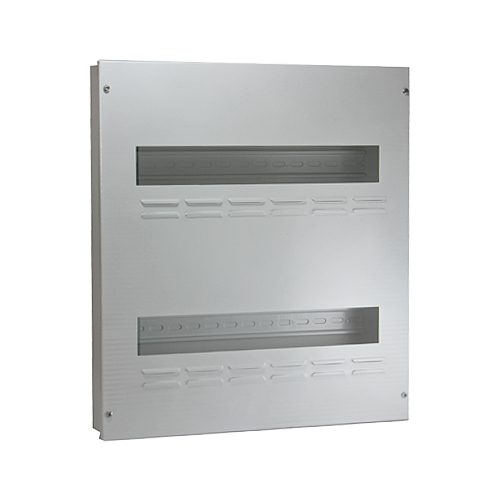
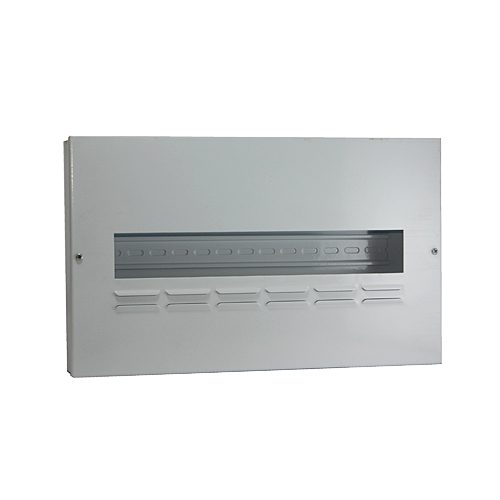
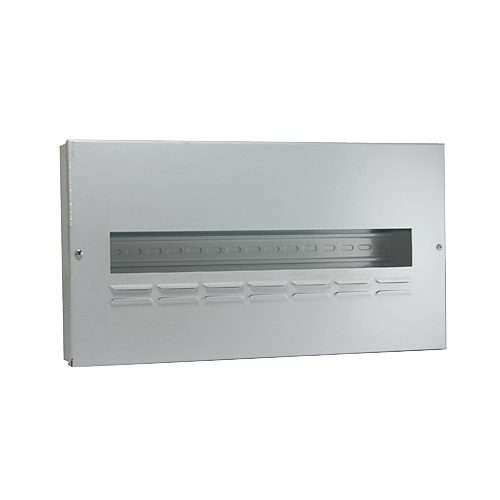
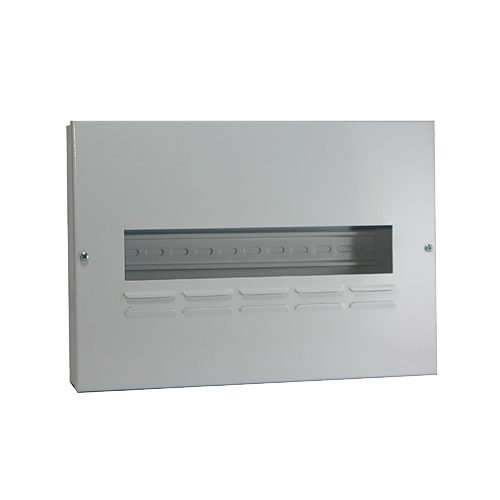
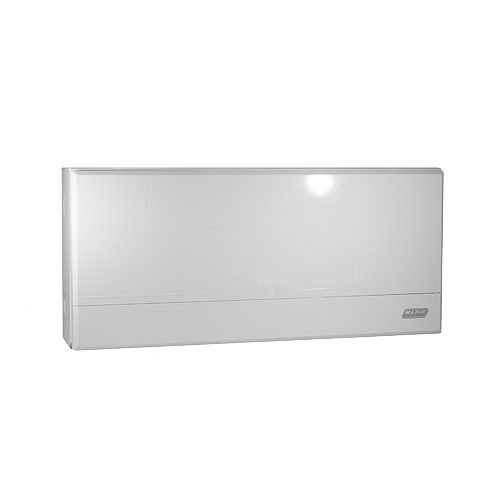
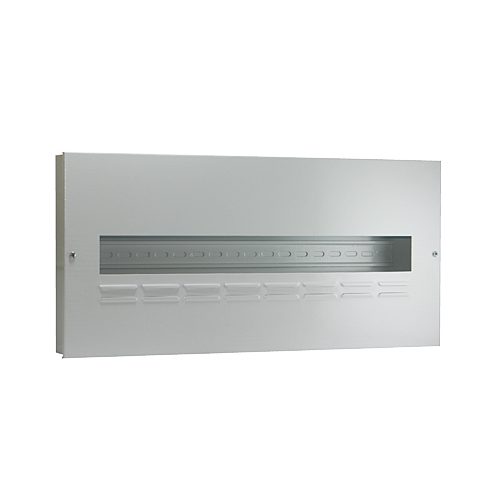
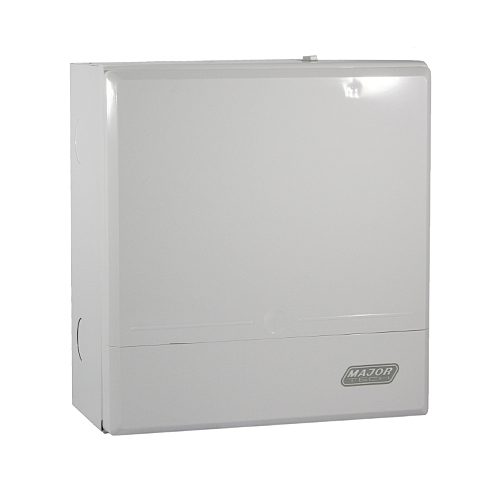
Most pool setups get a small weatherproof distribution board near the pump, or a properly rated section within the main board. Because it lives outside, the enclosure needs a sealed rating so rain, dust and the odd splash cannot get to the terminals. An IP65-rated surface DB board is the usual choice for a pump station, sealed against jets of water from any direction while still giving you room for the breaker, the earth leakage unit and the timer on one rail.
IP ratings are worth understanding because you will see them on everything outdoors. The first number is protection against solid objects and dust, the second is protection against water. IP65 means fully dust tight and protected against water jets, which is the sensible minimum for anything mounted near a pool. Browse the sealed board options in our DIN rail boards range.










Earth leakage: the 30mA rule around water
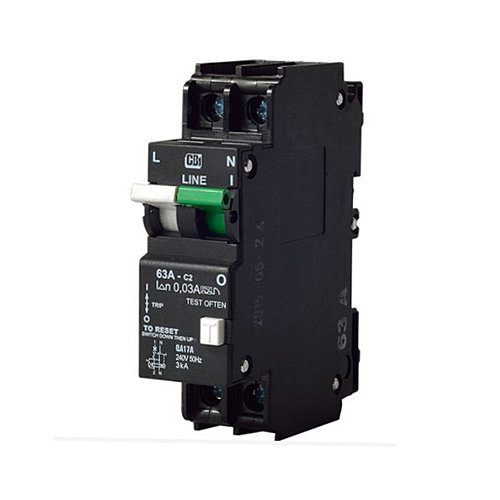
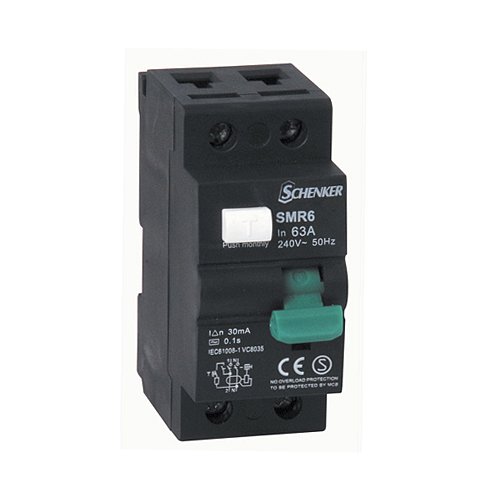
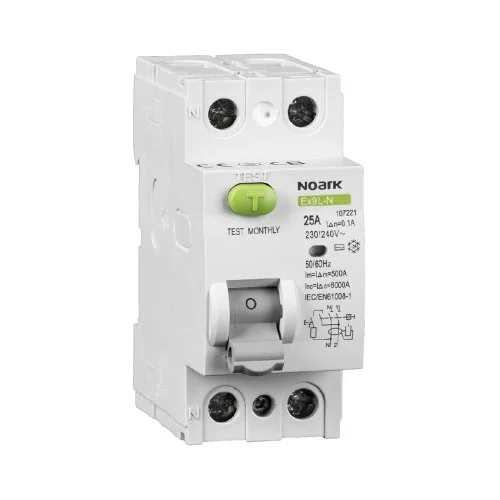
Earth leakage protection is the single most important part of pool electrics. An earth leakage unit watches the current flowing out on the live and back on the neutral, and the instant it sees a difference, current leaking to earth through a fault or through a person, it cuts the power in a fraction of a second. Around water this protection should be rated at 30mA, the sensitivity that protects people, not just equipment.
The pool pump circuit is exactly the kind of wet, hard-working circuit that earns proper earth leakage protection. A quality unit such as the Schneider Acti9 30mA earth leakage is built for this, and there is a full range to suit different boards. If you want the difference between earth leakage and an ordinary breaker explained in plain terms, our guide on earth leakage vs circuit breaker covers why you need both.








The pump timer: run the pool off-peak
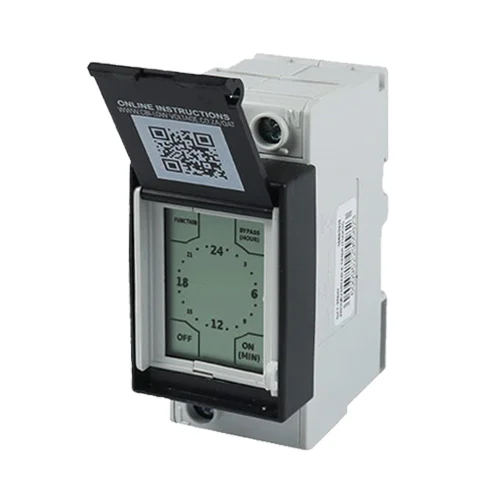
A pool pump does not need to run all day. A timer switches it on for the hours the water actually needs turning over and off the rest of the time, which cuts the running cost noticeably over a season. On a summer schedule you might run longer, in winter far less, and a good timer lets you set that and forget it.
You can use a simple mechanical time switch on the board, or a smart timer that also lets you check and change the schedule from your phone. The Sonoff POW Elite geyser and pool timer is a popular option because it monitors power use too, and the HellermannTyton 7 day geyser and pool timer is a solid DIN-rail choice for a standard board. See the full timers range to match your board.




The isolator: switching the pump off safely
An isolator is a switch that fully disconnects the pump so it can be worked on with no chance of it coming on. Before anyone cleans the basket, back-washes the filter or services the motor, the pump must be isolated, and a proper isolator makes that a one-move job instead of pulling a plug or tripping a breaker. It belongs close to the pump, in a weatherproof position, so whoever is servicing it can see it is off.
A two-pole DIN-rail isolator switches both live and neutral, which is what you want on a pump circuit. Look through the isolator switches range for the rating that suits your setup.
Bonding: tying the metalwork together
Bonding is the quiet safety step that connects the metal parts around the pool, the pump housing, metal ladders and rails, and any structural steel, back to earth so they all sit at the same electrical potential. The point is simple. If everything metal is bonded to the same earth, there can never be a dangerous voltage between two things a swimmer might touch at once. This is done with earth conductors and a proper earth bar in the board, like the MCE DIN rail earth bar, and it is exactly the sort of detail a compliance inspection checks. Bonding works hand in hand with a solid earth electrode, so it is worth reading our guide on how protective devices work together while you plan the job.
Surge protection for pool equipment
Pool pumps, chlorinators and heat pumps are not cheap, and a summer storm can put a spike down the supply that damages the electronics in a heartbeat. A surge protector at the board diverts that spike away from your circuits before it reaches the pool gear. A unit like the Onesto 40kA surge protector sits on the rail and does its job silently until the day you are glad it was there. There is a full surge protector range to choose from.
Weatherproof fittings around the pool
Any socket, connection or joint out at the pool has to be built for the weather. Standard indoor fittings do not belong within reach of splash and rain. Use weatherproof, higher IP-rated fittings for anything outdoors, and seal every cable joint properly. For low-voltage connections and joints, a sealed part such as an IP66 waterproof wire connector keeps water out of the join, which is where outdoor faults usually start. For mains sockets in the area, choose from purpose-made weatherproof sockets.
Your pre-season pool electrical checklist
Before the swimming season starts, run through this with your electrician:
- Confirm the pump is on its own protected circuit with 30mA earth leakage, and test that the earth leakage actually trips.
- Check the pump board enclosure is still sealed, with no cracked glands or perished seals letting water in.
- Make sure the isolator works and is reachable, so the pump can be switched off safely for cleaning.
- Check the bonding on the metalwork is intact, especially after any paving, decking or pool repairs.
- Set the timer for the season so the pump turns the water over without running longer than it needs to.
- Confirm surge protection is fitted at the board to protect the pump and any chlorinator or heat pump.
This is a short, cheap check compared with replacing a pump motor or, far worse, dealing with a shock in the water.
When to call a registered electrician
Everything that connects to the mains around a pool is fixed electrical work, and in South Africa that must be carried out by a qualified, registered electrician and signed off with a Certificate of Compliance. You can plan the setup, understand every part, and buy the materials online. The circuit design, the earth leakage sizing, the bonding and the final connections are the electrician’s job, because a wet environment leaves no room for a guess. If you are buying or selling a home with a pool, a valid CoC covering the pool electrics is not something to skip.
Shop pool electrical gear online
Everything for a safe pool circuit, boards, earth leakage units, timers, isolators, surge protection and weatherproof fittings, is in stock and priced online. Order for your job at liteglo.co.za and have it delivered anywhere in South Africa, or collect from our counter. Contractors and pool installers, sign in to your trade account to see your price on every item.
Frequently asked questions
Does a pool pump need its own circuit?
Yes. A pool pump should run on its own dedicated, protected circuit with 30mA earth leakage and an isolator, rather than sharing a circuit or hanging off a plug. It runs for hours a day in a wet spot, so it needs proper protection sized for the job by your electrician.
What earth leakage rating does a pool need?
Around water the earth leakage protection should be 30mA, the sensitivity that protects people. This is standard for pool pump circuits and is fitted and tested by a registered electrician to SANS 10142-1.
Why does pool metalwork need bonding?
Bonding connects the metal parts around the pool to the same earth so they cannot sit at different voltages. That means a swimmer touching, say, a metal ladder and the water at the same time can never bridge a dangerous difference in potential. It is a required safety step, not an optional extra.
Can I install pool electrics myself?
No. The mains connection, the circuit, the earth leakage, the bonding and the isolator are fixed electrical work that must be done by a registered electrician and certified with a CoC. You can plan the job and buy the parts online, but the installation and sign-off are professional work.
How do I lower my pool’s running cost?
Fit a timer and run the pump only for the hours the water needs turning over, longer in summer, much less in winter. A timer that also monitors power use makes it easy to see what the pump is costing and trim the schedule without letting the water go green.
What IP rating should pool electrical fittings be?
Anything mounted near the pool should be sealed for the weather. IP65 is a sensible minimum for a board or fitting exposed to rain and splash, and sealed IP66 connectors are ideal for outdoor cable joints. Your electrician selects the right rating for each position.
Related Guides
- Earth Leakage vs Circuit Breaker: Do You Need Both?
- Earthing and lightning protection for South African homes: earth spikes, bonding and why it matters before storm season (2026 guide)
- What Is Armoured Cable (SWA) & What Size Do You Need in South Africa?
⚠️ Safety & Compliance Notice
All electrical installations in South Africa must comply with SANS 10142-1 (Wiring Code) and the Occupational Health & Safety Act. Work must be carried out by a qualified, registered electrician. This article is for general educational purposes only. It does not replace professional advice, and Lite-Glo accepts no liability for how this information is used. Always obtain a valid Certificate of Compliance (CoC) for any electrical work.
Need Assistance?
📧 [email protected]
📞 011 781 3100
💬 WhatsApp: 060 322 9674