


Earthing and lightning protection for South African homes: earth spikes, bonding and why it matters before storm season (2026 guide)
Quick answer: Earthing gives fault current and lightning energy a safe path into the ground, away from you and your appliances. In a South African home that means a properly installed earth spike, a solid connection to the main earth bar, and bonding of the metalwork that could become live. Highveld storm season starts around October, so late winter and spring is the right time to check it.
Every South African summer brings the afternoon build-up, the drop in temperature, and then the storms. On the Highveld especially, lightning is not a rare event, it is a season. Good earthing and sensible surge protection are what stand between a normal thunderstorm and a fried DB board, a dead TV, or worse. This guide explains, in plain language, what earthing actually does, how to think about the earth spike and the joint that holds it, what bonding is for, and how to get your board storm-ready before the first big one hits. It is written for homeowners and anyone specifying a job, not as a wiring instruction. The actual work is for a registered electrician.
What earthing actually does
Earthing gives stray and fault current a safe, deliberate path back to the ground instead of through a person or through your appliances. When something goes wrong inside an installation, a live wire touching a metal geyser casing, for example, the earth connection gives that current an easy route away. That is what lets your earth leakage unit trip and cut the power in a fraction of a second. No earth, or a poor earth, and the fault has nowhere safe to go. Earthing is quietly one of the most important safety features in your home, and it is the part almost nobody thinks about until it fails.
Earthing, bonding and surge protection are three different jobs
These three get muddled all the time, so it helps to separate them:
- Earthing connects your installation to the ground through an earth electrode (the earth spike) so fault current has a safe path and protective devices can trip.
- Bonding ties the metal parts of your home together (pipes, the DB enclosure, structural metal) so they all sit at the same electrical potential and you cannot get a shock between two of them.
- Surge and lightning protection is about the sudden spike of energy from a nearby strike or a grid switching event. Surge arrestors and protectors soak up or divert that spike before it reaches your circuits.
You want all three working together. A perfect earth spike does nothing for a lightning surge on its own, and a surge arrestor needs a solid earth to divert energy into. They are a set, not alternatives.
The earth spike: what it is and how to choose one
The earth spike (or earth electrode, or earth rod) is the metal rod driven into the ground that physically connects your installation to the earth. The three things people ask about are the diameter, the material, and how deep it goes.
The common sizes you will see quoted in South Africa are 10.8mm, 12mm and the M16 threaded type. As a rough guide:
- 10.8mm rods are the everyday choice for many domestic installations.
- 12mm rods are a slightly heavier option that drives well and holds up in harder ground.
- M16 (threaded, coupled) rods are used where you need to drive deeper by joining rods end to end to reach moist, low-resistance soil.
Deeper is generally better, because the deeper soil stays damp through the dry season and damp soil conducts far better than dry surface ground. In sandy or rocky areas you may need to drive further, or use more than one electrode, to get the earth resistance down to an acceptable level. The correct size, depth and number of electrodes for your ground is a call your electrician makes and measures, following SANS 10142-1. Use the sizes above to understand your options, not as a final spec.
The clamp and the joint are where earths fail
An earth spike is only as good as the connection to it. The most common real-world earthing failure is not the rod, it is a loose, corroded or badly made joint between the earth conductor and the rod. That is why the clamp matters as much as the spike.
Use the correct earth clamp for the rod, tighten it properly onto clean metal, and make sure the earth conductor is the right size and well terminated. Where the joint sits in or near the ground it should be protected against corrosion, because a green, crusty clamp is a joint that is slowly going open circuit. If you can inspect the connection, do, because a good earth that quietly corrodes over a few seasons becomes no earth at all, and nothing warns you.
Bonding: tying the metalwork together
Bonding is the step that connects the metal parts of the installation together with earth conductors and bars, so there is never a dangerous voltage between, say, a metal water pipe and the metal casing of an appliance. Neutral and earth bars in the board, and bonding conductors to the main metalwork, are what make this happen. It is unglamorous and it is exactly the sort of thing a proper inspection checks. If your home is older, or has had piecemeal changes over the years, the bonding is well worth having looked at before storm season rather than after.
Getting your board storm-ready before the season
Here is the practical pre-season checklist to talk through with your electrician:
- Have the earth electrode and its clamp checked, and the earth resistance measured if there is any doubt.
- Confirm the bonding is in place and intact, especially after any renovations or plumbing changes.
- Fit or check surge protection at the board. A surge arrestor at the main DB is the front line against lightning-induced spikes coming in on the supply.
- Consider point-of-use surge protection for the expensive and sensitive items, the TV, the inverter, the computer, the fridge, so a spike that gets past the main arrestor still meets a second line of defence.
- If you run an inverter or backup system, make sure its earthing and surge protection were done properly, because these systems add new paths a surge can travel.
None of this is expensive relative to what one strike can destroy, and it is far cheaper to check in spring than to replace a board full of gear in January.
Shop surge and lightning protection
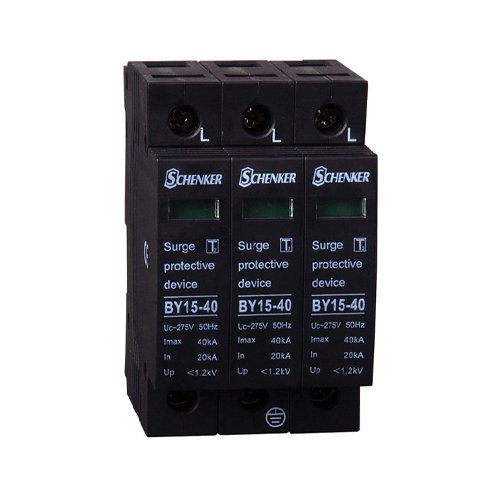
Fit protection at the board and at the plug. A board-mounted unit like the Onesto 40kA surge protector is the front line, and there is a full surge protector range to choose from. Order online and have it delivered anywhere in the country:




Shop earth spikes and earthing gear
Earth spikes, clamps and earth bars, in stock and priced online. Order the parts for your job at liteglo.co.za and collect or have them delivered nationwide:


When to call a registered electrician
Earthing, bonding and the connection of surge protection are fixed electrical work, which in South Africa must be carried out by a qualified, registered electrician and signed off with a Certificate of Compliance. You can absolutely plan the job, understand the parts, and buy the materials online. The measuring of earth resistance, the sizing of the electrode and conductors, and the final connection are the electrician’s job, and getting a fresh CoC is how you prove it was done right. If you are buying or selling a property, a valid CoC covering the earthing is not optional.
Frequently asked questions
What is the difference between earthing and bonding?
Earthing connects the installation to the ground so fault current has a safe path and protective devices can trip. Bonding connects the metal parts of the home to each other so they sit at the same potential and you cannot get a shock between two of them. You need both.
What size earth spike do I need?
Common sizes in South Africa are 10.8mm, 12mm and M16 threaded rods, but the right diameter, depth and number of electrodes depend on your soil and load. Your electrician measures the earth resistance and sizes it to SANS 10142-1. The sizes here are to help you understand the options, not to specify the job.
How deep should an earth spike go?
Deeper is generally better because the deeper soil stays damp and conducts better than dry surface ground. In sandy or rocky areas you may need to drive further or add electrodes to reach an acceptable earth resistance. The final depth is confirmed by measurement on site.
Do surge protectors really help against lightning?
Yes. A surge arrestor at the main board diverts the energy spike from a nearby strike or a grid switching event away from your circuits, and point-of-use protectors add a second line of defence for sensitive equipment. They work best with a solid earth to divert that energy into, which is why earthing and surge protection go together.
Can I install earthing myself?
No. Earthing, bonding and the connection of protective devices are fixed electrical work that must be done by a registered electrician and certified with a CoC. You can plan the job and buy the parts, but the installation and sign-off are professional work.
My earth clamp looks corroded, does it matter?
Yes, a lot. A corroded or loose clamp is the most common cause of a failing earth, and it happens silently over a few seasons. Have the connection inspected, cleaned or replaced so your earth is still doing its job when you need it.
Related Guides
- Earth Leakage vs Circuit Breaker: Do You Need Both?
- MCB vs MCCB: What’s the Difference?
- What Solar Panel Size Do You Need for a South African Home? (2026 Guide)
- Armoured Cable vs Surfix: Best Choice for Outdoor Installations
⚠️ Safety & Compliance Notice
All electrical installations in South Africa must comply with SANS 10142-1 (Wiring Code) and the Occupational Health & Safety Act. Work must be carried out by a qualified, registered electrician. This article is for general educational purposes only. It does not replace professional advice, and Lite-Glo accepts no liability for how this information is used. Always obtain a valid Certificate of Compliance (CoC) for any electrical work.
Need Assistance?
📧 [email protected]
📞 011 781 3100
💬 WhatsApp: 060 322 9674