


Earth Leakage vs Circuit Breaker. Do You Need Both?
Quick answer: Yes, you need both. A circuit breaker protects the wiring from overload and short circuit; an earth leakage unit protects people from shock by tripping when current leaks to earth. In South Africa a compliant DB board has a main earth leakage at 30mA plus a breaker on every circuit. One cannot do the other’s job, unless you fit an RCBO, which combines both functions in a single device for one circuit.
Why Protection Devices Matter
In South Africa, household and commercial electrical systems must meet strict safety requirements. Two of the most important protection devices are the earth leakage unit and the circuit breaker.
Although they are often confused, these devices perform very different roles. To ensure your installation is safe, compliant with SANS 10142, and covered by insurance, it is important to understand the difference.
What is a Circuit Breaker?
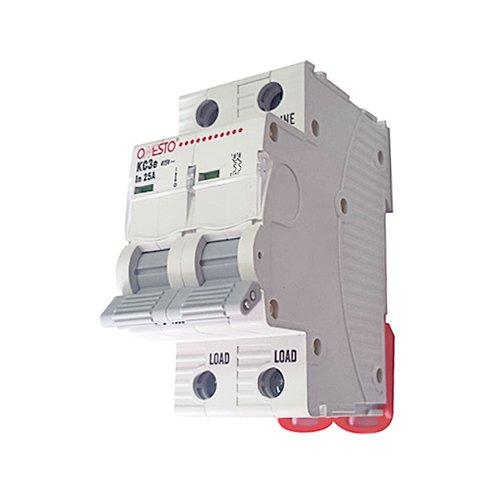
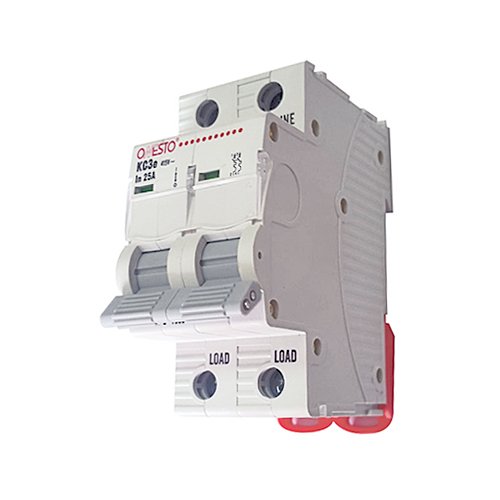
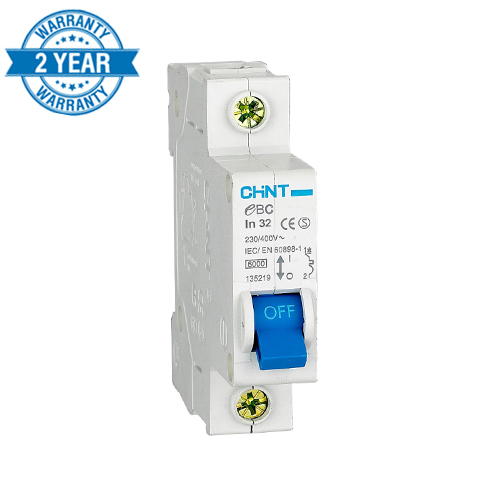
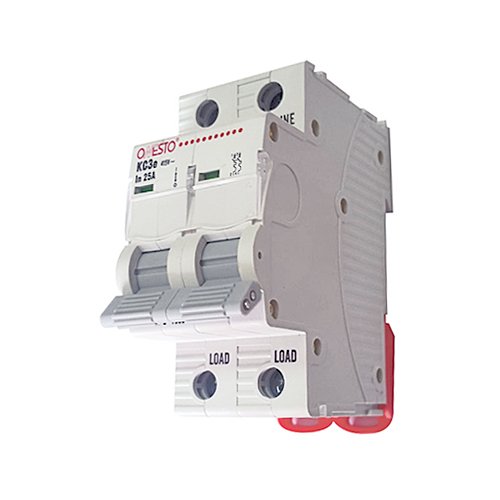
A circuit breaker is designed to protect electrical wiring and equipment from overload and short circuits.
-
Trips when a circuit draws more current than it should
-
Prevents overheating of wires and fire hazards
-
Protects appliances from damage caused by excessive current
-
Commonly found in every DB board in South African homes and businesses
Circuit breakers are sized according to the cable and load they protect. For example, a lighting circuit may use a 10A breaker, while a stove circuit may use a 32A breaker.
What is an Earth Leakage Unit?
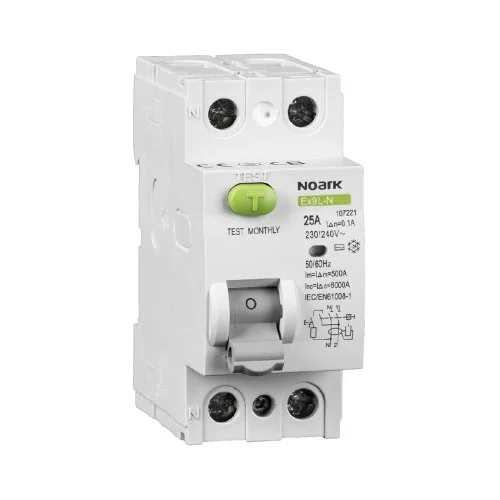
An earth leakage device protects people rather than equipment.
-
Trips when electricity flows to earth (leakage current) instead of staying in the circuit
-
Detects faults caused by damaged insulation, water contact, or accidental contact with live wires
-
Prevents electrocution by disconnecting power quickly
-
Standard sensitivity is 30mA for household use
Earth leakage units reduce the risk of fatal electric shock.
Key Differences Between Earth Leakage and Circuit Breaker
-
Function: Circuit breakers protect equipment; earth leakage protects people
-
Trip conditions: Breakers trip on overloads and short circuits; earth leakage trips on current leakage to earth
-
Measurement: Breakers measure current in amps; earth leakage measures leakage in milliamps
-
Necessity: Breakers are always required; earth leakage is required in most household circuits
Why You Need Both
Some homeowners assume one device can replace the other, but this is not true.
-
A circuit breaker will not trip if electricity leaks through a person to earth, unless the current exceeds the breaker’s rating
-
An earth leakage device will not protect against an overloaded appliance or short circuit
Together, they provide complete protection for both people and property.
South African Requirements
According to SANS 10142:
-
All socket outlet circuits must be protected by earth leakage
-
Certain circuits, such as lighting and fixed appliances, may not require earth leakage but must still have breakers
-
Geysers, stoves, and similar circuits require dedicated breakers sized for the load
-
All installations must be signed off with a valid Certificate of Compliance (CoC)
Common Mistakes to Avoid
-
Believing a circuit breaker protects against electric shock
-
Omitting earth leakage from plug circuits
-
Oversizing breakers compared to cable size
-
Attempting DIY installation without professional sign-off
-
Failing to test earth leakage units regularly (the standard sets no interval; Schneider says monthly, most SA electricians say monthly to quarterly)
Buy Protection Devices Online with Lite-Glo
Lite-Glo stocks a full range of AC and DC circuit breakers, earth leakage units, surge protectors, and distribution boards. Whether for residential or commercial projects, we supply safe, compliant equipment trusted by electricians across South Africa.
Earth Leakage Circuit Breaker: What the Name Actually Means
People search for an earth leakage circuit breaker as if it were one device, and in a South African DB board it usually is: a single unit that combines the 30mA earth leakage function with a main switch, sitting at the top of the board and feeding every circuit below it. It is not a substitute for the individual breakers on each circuit. Those still protect the wiring; the earth leakage unit protects the person. The names to look for on the shelf are earth leakage relay, ELU, or RCD.
Earth Leakage vs Circuit Breaker at a Glance
| Question | Circuit breaker | Earth leakage |
|---|---|---|
| Protects | The wiring and appliances | People |
| Trips on | Overload, short circuit | Current leaking to earth |
| Measured in | Amps (10A, 20A, 32A) | Milliamps (30mA) |
| How many in a home | One per circuit | Usually one, on the main |
| Required by SANS 10142 | Yes | Yes, on socket and wet circuits |
Why the Earth Leakage Keeps Tripping
A tripping earth leakage is the most common electrical call-out in the country, and it is usually not the earth leakage unit itself. It is doing its job: something on the board is leaking current to earth. The usual suspects, in order:
- A geyser element that has cracked and is leaking through the water. The classic cause, and it often trips at the same time every day when the element cycles on.
- Water in an outdoor fitting, a garden light, a pool pump, or a socket that gets rained on.
- An appliance with damaged insulation, a kettle, a heater, a fridge compressor on its way out.
- Old wiring with perished insulation, usually in a ceiling.
The way to find it is to switch every circuit off, reset the earth leakage, then switch circuits back on one at a time until it trips. The last circuit switched on is the prime suspect; confirm it by resetting and switching that circuit on alone. Then unplug everything on that circuit and repeat. If it trips with nothing plugged in, it is the wiring or a fixed appliance such as the geyser, and that is a job for a registered electrician.
Choosing the Right Units for a DB Board
- Earth leakage: 30mA for any household board; the sensitivity is set by the standard, not by preference. Browse earth leakage units.
- Breakers: sized to the cable on each circuit, never to the appliance alone: 10A lighting, 20A plugs, 20A to 25A geyser, 32A stove. Browse circuit breakers.
- Isolators: a local isolator for the geyser (within 1.5 metres, or lockable at the board) and a switch-disconnector for the stove (same room, within 3 metres, not above the hob), so either can be made safe without going to the board. Browse isolator switches.
Earth Leakage and Circuit Breaker Questions We Get Asked
Do I need both earth leakage and circuit breakers?
Yes. Breakers protect equipment, earth leakage protects people. Both are required.
How often should I test my earth leakage?
SANS 10142-1 sets no interval for the homeowner; Schneider says monthly and most SA electricians say monthly to quarterly. Press the test button on the DB board and the unit must trip; if it does not, call an electrician.
Can I run lights without earth leakage?
Yes. SANS 10142-1 (clause 6.7.5) requires 30mA earth leakage on every socket-outlet circuit and on the geyser circuit; lighting circuits are not required to be on it, and a stove connected through a stove coupler is exempt. Most SA boards put everything except the stove and the lights through the one earth leakage anyway.
Why does my earth leakage trip randomly?
Causes include faulty appliances, water ingress, or damaged wiring. A qualified electrician must investigate.
Is earth leakage required by law in South Africa?
Yes. SANS 10142 specifies where earth leakage protection is mandatory.
Is an earth leakage plug the same thing?
A plug-in earth leakage adaptor gives one appliance its own 30mA protection at the socket. It is useful for a power tool or a pool pump on an older board that has no earth leakage at all, but it protects only what is plugged into it. It does not replace the unit on the DB board.
Can I replace a tripping earth leakage with a bigger one?
No. Household earth leakage is 30mA by standard, and a less sensitive unit would leave people unprotected. A unit that trips is telling you where the fault is; fix the fault.
Does every circuit need its own earth leakage?
Not in a typical home. One earth leakage on the main feed covers the board. Some installations split the board so a fault on one side does not black out the whole house, but that is a design choice, not a requirement.
Will my insurer ask about this?
After a fire or an electrical injury, yes. A valid Certificate of Compliance is what shows the board had both forms of protection installed correctly, and it is the first document an assessor asks for.
Related Guides
- MCB vs MCCB: What’s the Difference?
- What Cable Size Do You Need for a Geyser in South African Guide
- What Cable Size Do You Need for a Stove in South Africa?
- Earthing and lightning protection for South African homes: earth spikes, bonding and why it matters before storm season (2026 guide)
- Geyser not heating? Element vs thermostat: how to tell which one died (South African guide)
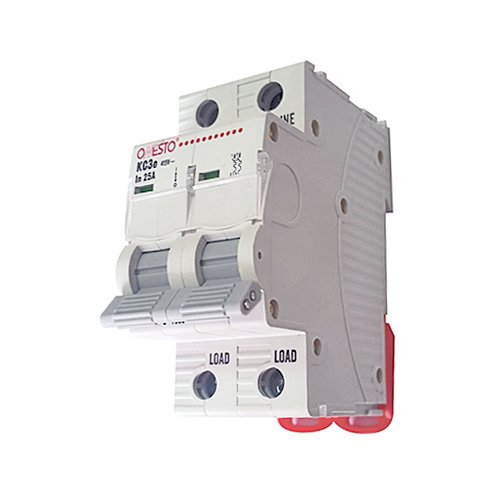
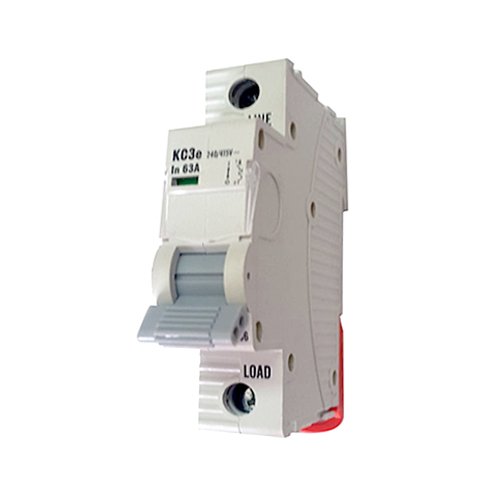
Shop Circuit Breakers











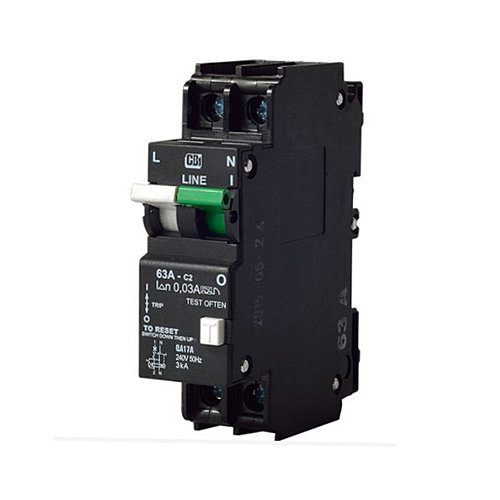
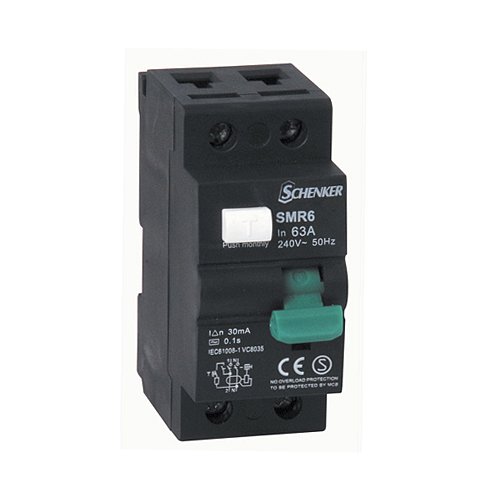
Shop Earth Leakage








⚠️ Safety & Compliance Notice
All electrical installations in South Africa must comply with SANS 10142-1 (Wiring Code) and the Occupational Health & Safety Act. Work must be carried out by a qualified, registered electrician.
This article is for general educational purposes only. It does not replace professional advice, and Lite-Glo accepts no liability for how this information is used. Always obtain a valid Certificate of Compliance (CoC) for any electrical work.
Need Assistance?
📧 [email protected]
📞 011 781 3100
💬 WhatsApp: 060 322 9674