


What Cable Size Do You Need for a Stove in South Africa?
Quick answer: most free-standing electric stoves in South Africa run on 6mm² Surfix protected by a 32A breaker. Smaller ovens around 3 to 4kW can take 4mm², and large or commercial stoves, or a long run from the DB board, need 10mm² on a 40A breaker. The cable, the breaker and the isolator must be sized together, and the work must be signed off to SANS 10142.
Why Stove Cable Size Matters
Stoves are one of the highest electrical loads in any South African household. Incorrect wiring can lead to tripped breakers, overheating, or even fire hazards. Choosing the right cable size is essential for safety, efficiency, and compliance with South Africa’s wiring code, SANS 10142.
Homeowners often ask: What size cable do I need for a stove? The answer depends on the stove’s rating, distance from the DB board, and the protection devices installed.
Typical Stove Cable Sizes in South Africa
While the exact choice must always be confirmed by a registered electrician, the following are commonly used:
-
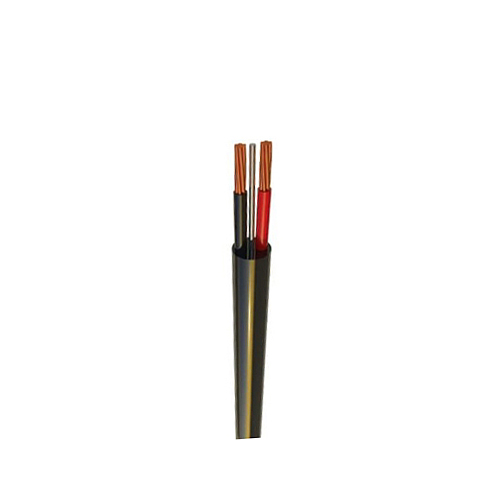
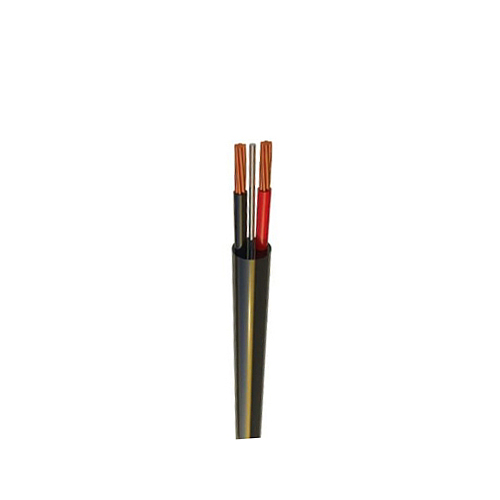
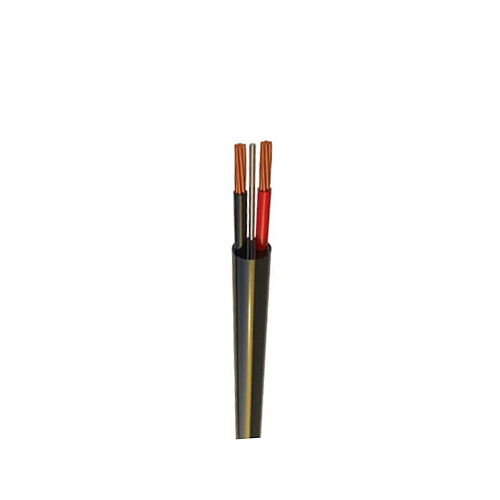
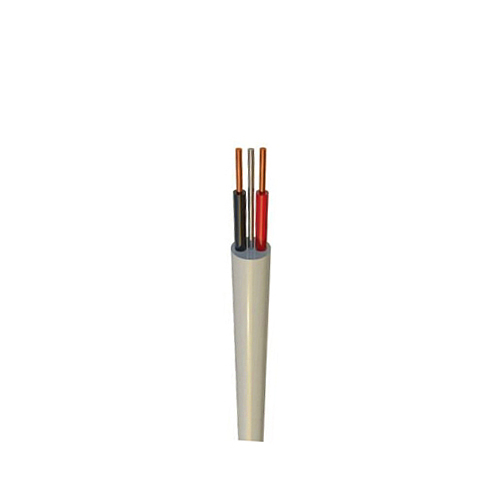
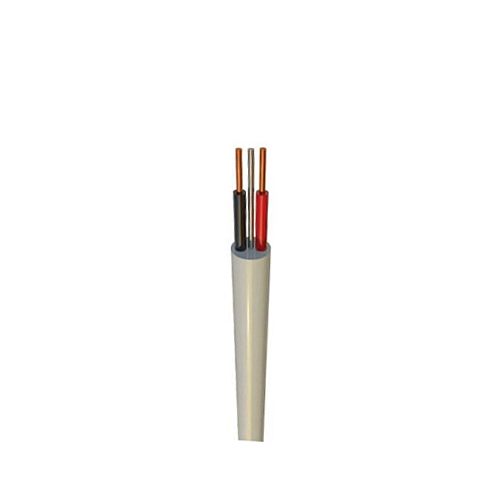
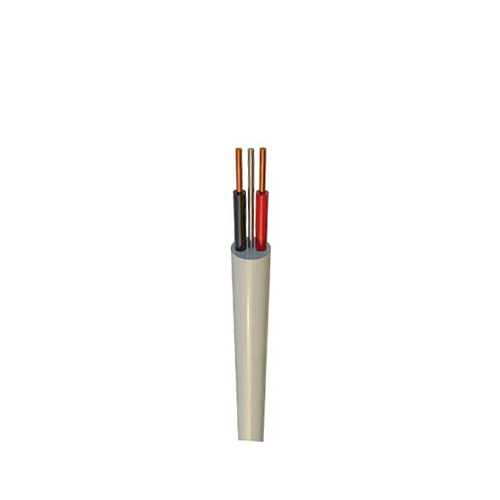
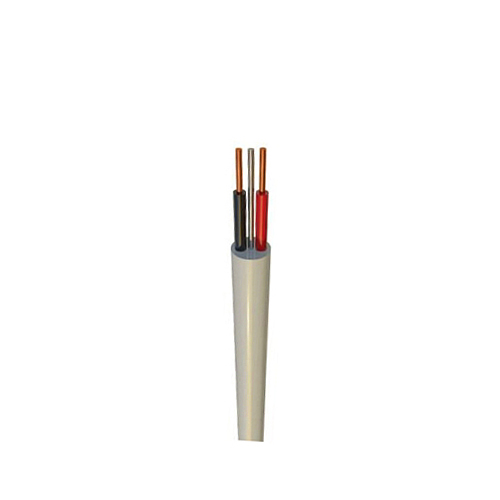
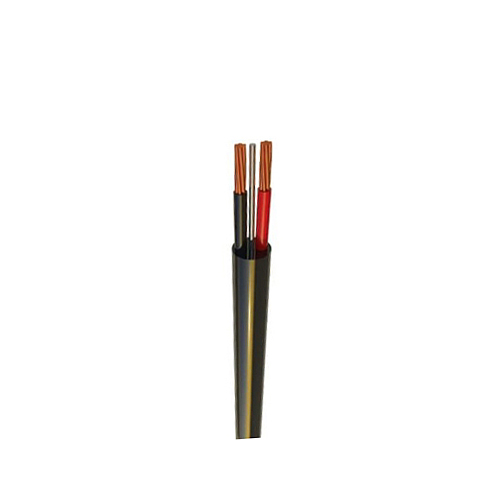
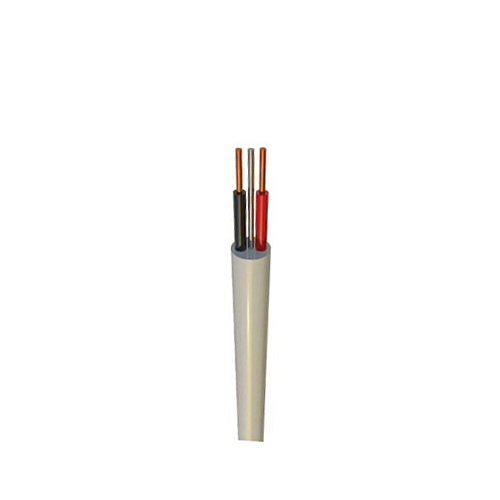
4mm² Surfix. Suitable for smaller stoves or ovens with elements rated around 3–4kW.
-
6mm² Surfix. The standard size for most free-standing electric stoves (typically 5–6kW).
-
10mm² Surfix. Required for very large or commercial-grade stoves, or when the run from the DB board is unusually long.
Factors That Determine Stove Cable Size
1. Power Rating of the Stove
Domestic stoves are often rated between 4kW and 7kW. Larger appliances draw more current, which requires a thicker cable.
2. Distance from the DB Board
If the DB board is far from the stove location, voltage drop becomes a concern. Longer distances may require a larger cable size.
3. Breaker Size
The breaker must match both the load and the cable. Common setups include:
-
32A breaker with 6mm² cable for standard stoves
-
40A breaker with 10mm² cable for high-load or large installations
4. Installation Environment
Cables running through conduit, high-temperature areas, or cramped spaces may require upsizing to ensure safe current carrying.
5. SANS 10142 Compliance
Even if a cable seems to “work,” if it does not comply with the wiring code, the installation is illegal and unsafe.
Common Mistakes in Stove Installations
-
Using undersized cable such as 2.5mm² or 4mm² for a full-sized stove.
-
Forgetting to install a stove isolator switch in the same room, within 3 metres of the appliance (SANS 10142-1 clause 6.16.3).
-
Running Surfix cable exposed outdoors instead of in conduit, unless the roll’s datasheet declares the sheath UV stable.
-
Incorrect breaker sizing, leading to nuisance tripping or dangerous overloading.
-
Attempting a DIY installation without a Certificate of Compliance.
Stove Wiring Products at Lite-Glo
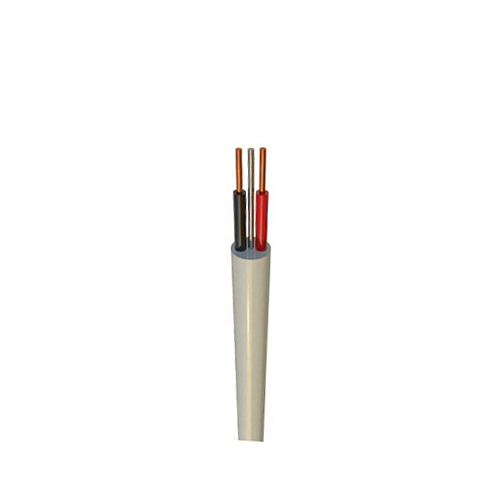
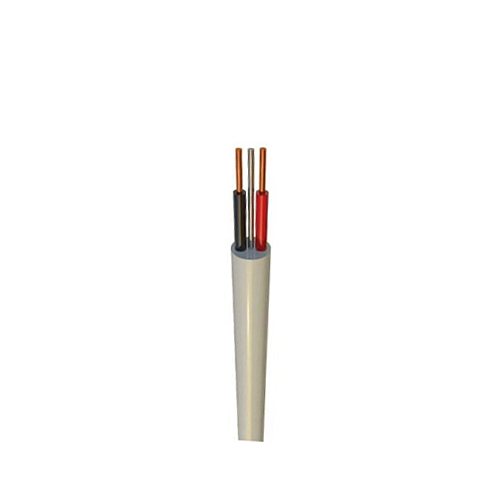
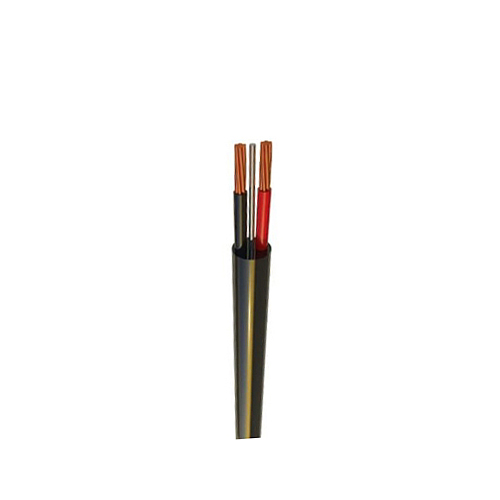
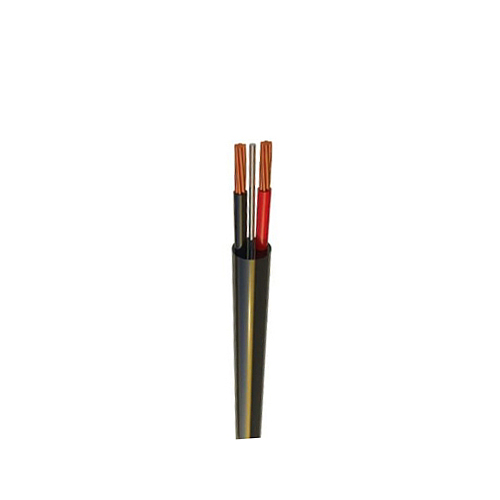
Lite-Glo supplies Surfix cable in 4mm², 6mm², and 10mm² sizes, along with stove isolators, breakers, and conduit. Whether you’re wiring a new home or upgrading an old installation, we stock the products you need for safe, compliant installations.
Stove Cable Size at a Glance
Use this as a starting point, then confirm against the appliance plate and the length of the run.
| Stove rating | Cable | Breaker | Typical use |
|---|---|---|---|
| 3 to 4kW | 4mm² Surfix | 20 to 25A | Small oven or hob |
| 5 to 6kW | 6mm² Surfix | 32A | Most free-standing stoves |
| 7kW and above | 10mm² Surfix | 40A | Large, commercial, or a long run |
Voltage drop is the reason the run length matters. Over a long distance the cable that is correct on paper can still leave the stove short of voltage, so the next size up is the safer call. Your electrician will confirm it against the actual route.
What Else the Job Needs
A stove circuit is more than the cable. Every one of these has to be right before an electrician will sign it off.
- The breaker. Sized to the cable and the load together, never to the appliance alone. Browse circuit breakers.
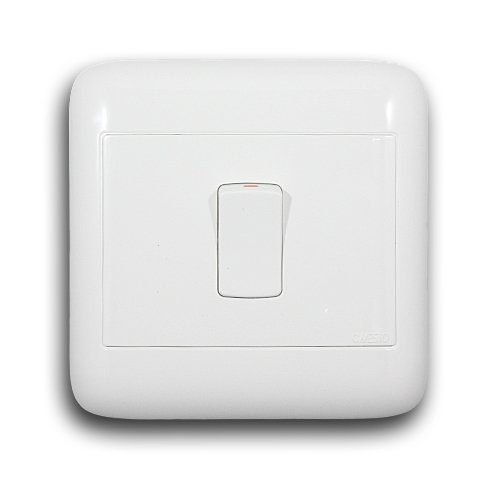
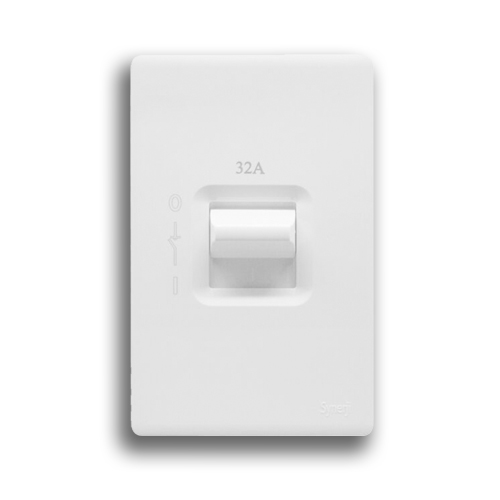
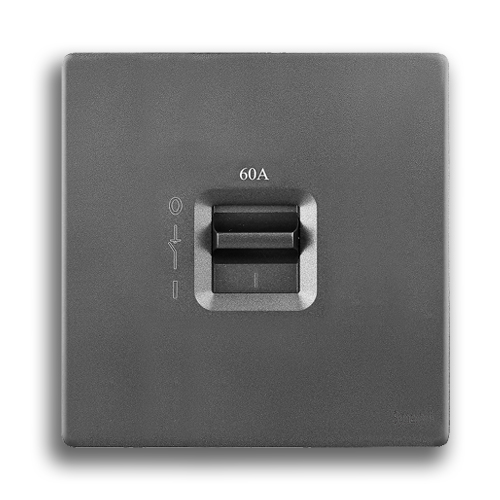
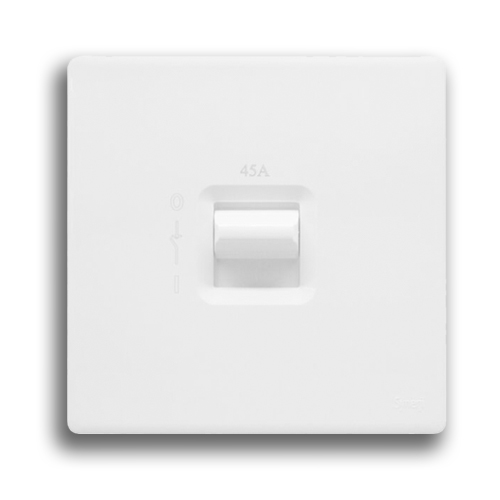
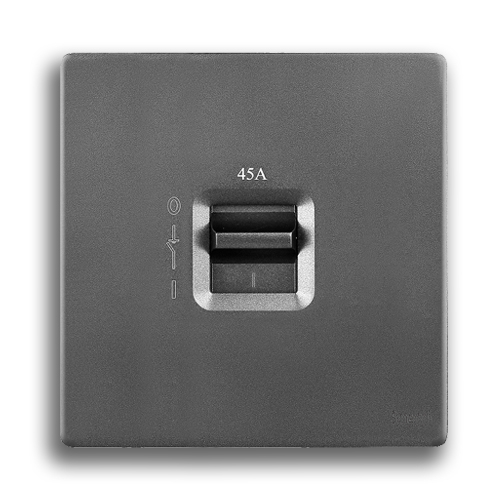
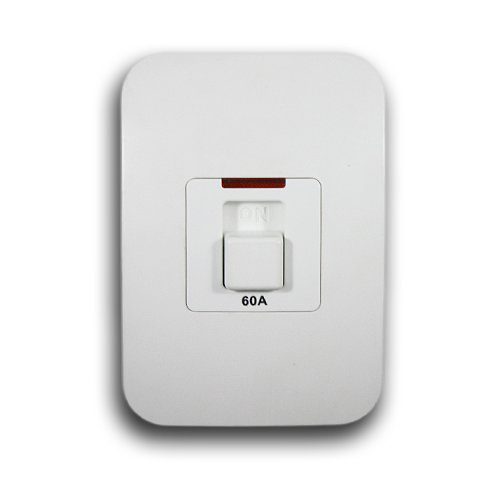
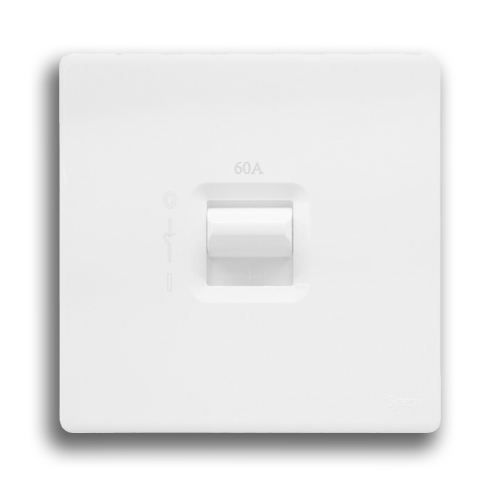
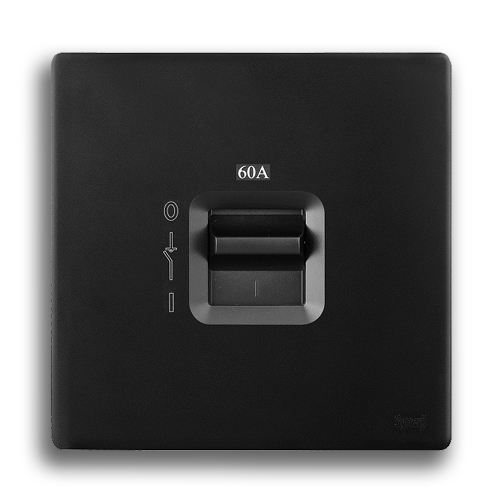
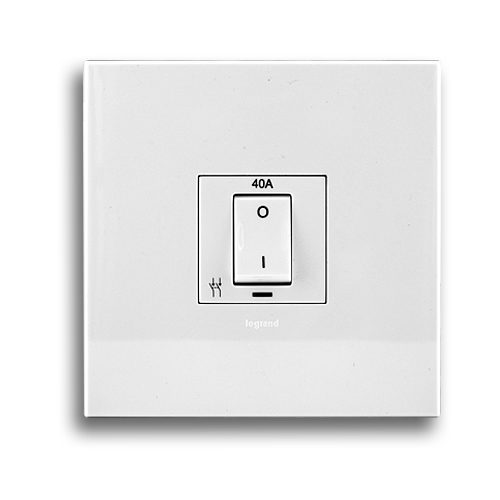
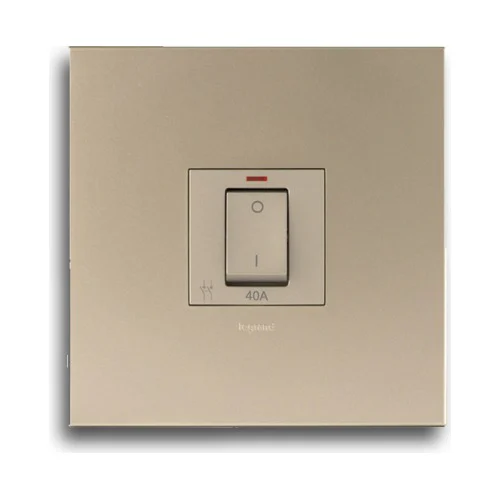
- The isolator. A stove isolator has to sit in the same room, within 3 metres of the appliance and not above it, so it can be switched off safely (SANS 10142-1 clause 6.16.3). See our isolator switches.
- Mechanical protection. Where the cable is exposed or runs through a wall it belongs in conduit.
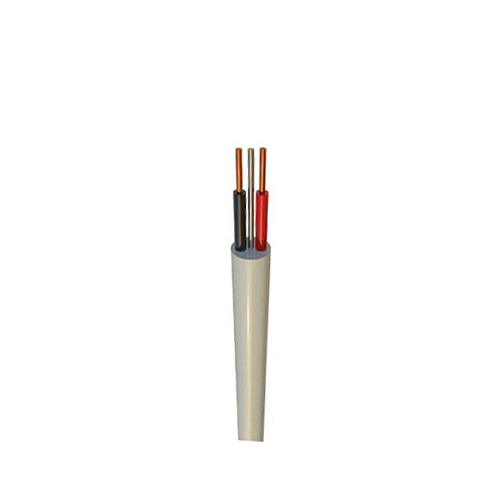
- The cable itself. Sold by the metre, so you buy the run you need. See Surfix cable per metre.
Stove Cable Questions We Get Asked
What is the standard cable size for a stove in South Africa?
Most free-standing stoves require 6mm² Surfix with a 32A breaker.
Can I use 4mm² cable for a stove?
Only for smaller ovens or low-rated appliances. Most stoves need 6mm².
Do I need a stove isolator switch?
Yes. SANS 10142-1 (clause 6.16.3) requires a readily accessible switch-disconnector for the stove: in the same room, within 3 metres of the appliance (within 0.5 metres if its purpose is not clearly marked), not fixed to the stove, preferably not above it, and mounted between 0.5 and 2.2 metres off the floor.
What breaker size should be used for a stove?
A 32A breaker is standard for most stoves, but some larger units may require 40A.
Can I wire a stove with cabtyre?
No. Cabtyre is for portable appliances. Stoves require fixed wiring with Surfix cable.
Can I use 4mm² cable for a normal stove?
Usually not. A standard free-standing stove of 5 to 6kW needs 6mm². Using 4mm² on that load is the single most common fault we see, and it is a fire risk rather than a technicality.
Does the stove need its own circuit?
Yes. A stove runs on a dedicated circuit from the DB board with its own breaker. It never shares with plugs or lights.
Can I use flat twin and earth instead of Surfix?
They are different cables for different jobs. Flat twin and earth is for fixed wiring inside walls and ceilings. Surfix is the tougher choice where the cable is more exposed, which is why it is the usual pick for a stove.
How much cable should I buy?
Measure the real route from the DB board to the stove, following walls and ceilings rather than a straight line, then add roughly two metres for slack and terminations. Surfix is sold per metre so there is no need to buy a full roll.
Do I have to use a qualified electrician?
Yes. A stove circuit is fixed wiring and must be installed and certified by a registered person under SANS 10142. Without a valid Certificate of Compliance an insurer may decline a related claim, and a property cannot change hands on a CoC older than two years.
How to Work Out What Your Stove Actually Draws
Do not guess from the make and model. Every stove carries a rating plate, usually on the back panel or inside the bottom drawer, and it gives you the number that decides the cable.
- Find the total load in kilowatts, printed as kW. A four plate stove with an oven typically shows somewhere between 5kW and 7kW.
- If the plate shows amps instead, that is the figure your electrician sizes the breaker against directly.
- Add up the elements only if the plate gives them separately, because manufacturers apply a diversity factor and the total on the plate is the one that counts.
Take a photograph of that plate before you come in. It saves a second trip, and it lets us match the cable, the breaker and the isolator in one go rather than sending you home to check.
Related Guides
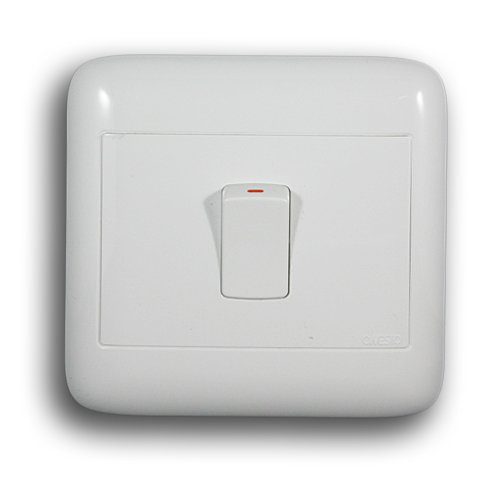
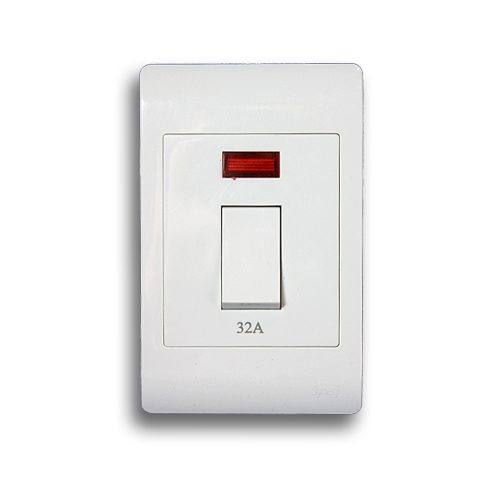
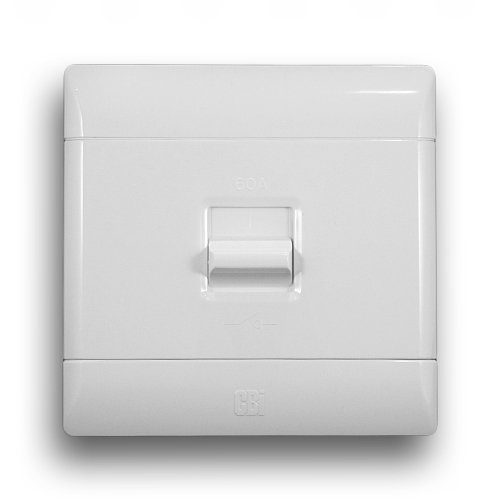
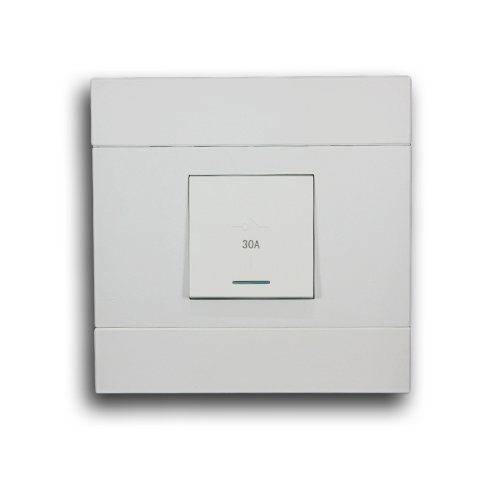
Shop Stove Isolators



















Shop Surfix Cable – Per Meter











⚠️ Safety & Compliance Notice
All electrical installations in South Africa must comply with SANS 10142-1 (Wiring Code) and the Occupational Health & Safety Act. Work must be carried out by a qualified, registered electrician.
This article is for general educational purposes only. It does not replace professional advice, and Lite-Glo accepts no liability for how this information is used. Always obtain a valid Certificate of Compliance (CoC) for any electrical work.
Need Assistance?
📧 [email protected]
📞 011 781 3100
💬 WhatsApp: 060 322 9674