


Surfix vs Cabtyre Cable. What’s the Difference and Which One Should You Use?
Quick answer: Surfix is a rigid, solid-core cable for fixed wiring inside walls, ceilings and conduit. Cabtyre is a flexible, stranded cable for anything that moves or plugs in, such as extension leads, tools and appliances. They are not interchangeable: Cabtyre must never be used for fixed wiring, and Surfix must never be used as a flex. Pick by the job, then by the size.
Surfix vs Cabtyre at a Glance
| Question | Surfix | Cabtyre |
|---|---|---|
| Conductor | Solid copper | Stranded copper |
| Bends and flexes | Once, into position | Repeatedly, by design |
| Where it lives | In walls, ceilings, conduit, DB boards | On the floor, in the hand, on a tool |
| Earth | Bare copper | Insulated green and yellow core |
| Sold as | Per metre, 100m rolls | Per metre, 100m rolls |
Which Size Surfix for Which Circuit
The size question comes up as often as the type question, so here are the pairings a registered electrician will normally use. Confirm every one against the load and the run length.
- 1.5mm² Surfix on a 10A breaker for lighting circuits.
- 2.5mm² Surfix on a 20A breaker for plug circuits.
- 4mm² Surfix on a 20A to 25A breaker for a standard geyser.
- 6mm² Surfix on a 32A breaker for most stoves and larger geysers.
- 10mm² Surfix on a 40A breaker for very large loads or long runs.
Every size is on the shelf at Surfix per metre, and the breakers to match at circuit breakers.
Which Size Cabtyre for Which Job
- 1.0mm² Cabtyre for lamps, chargers and light appliances.
- 1.5mm² Cabtyre for most extension leads and power tools.
- 2.5mm² Cabtyre for heavy tools, heaters and long extension leads where voltage drop matters.
A long extension lead in a thin size is the classic cause of a tool that runs weak and a lead that gets warm. Go up a size for anything over 20 metres. All sizes at Cabtyre per metre.
When it comes to electrical installations, choosing the right cable is essential for safety, performance, and long-term reliability. In the South African market, two of the most commonly used low-voltage cables are Surfix (also known as Norsk cable) and Cabtyre. While they may look similar at a glance, these cables are designed for completely different purposes.
In this guide, we’ll explore the key differences between Surfix and Cabtyre cables, their typical use cases, and offer guidance on when each type is most suitable, especially for trade professionals, contractors, and DIY customers placing orders online.
What is Surfix Cable?
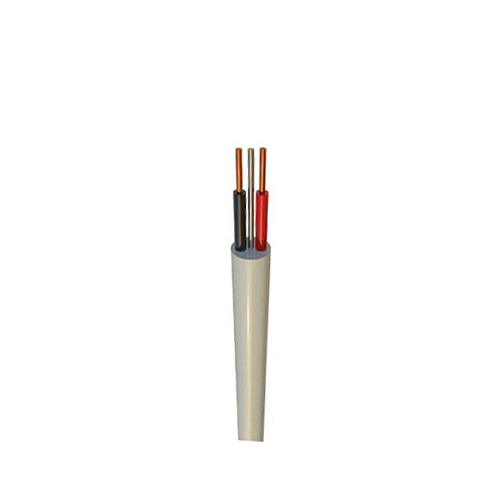
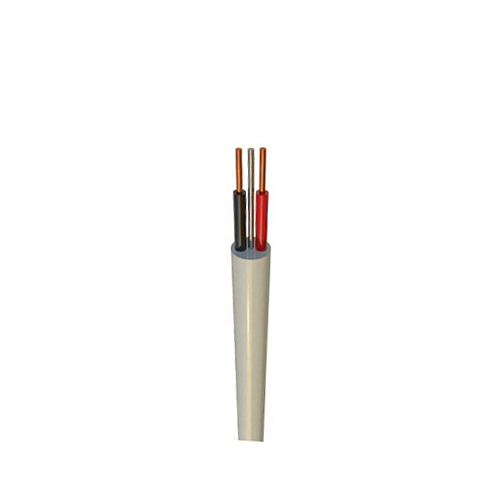
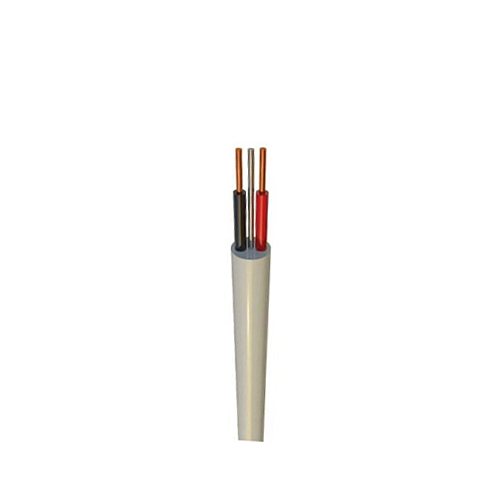
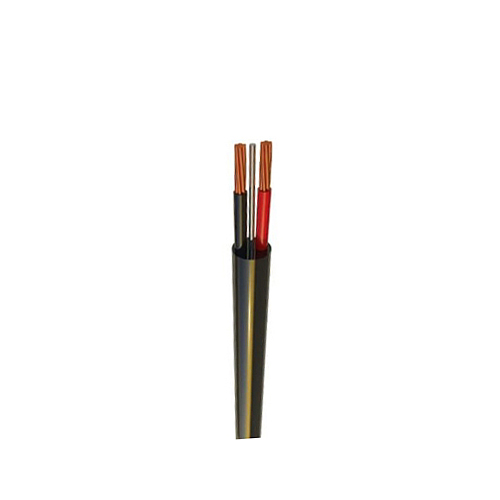
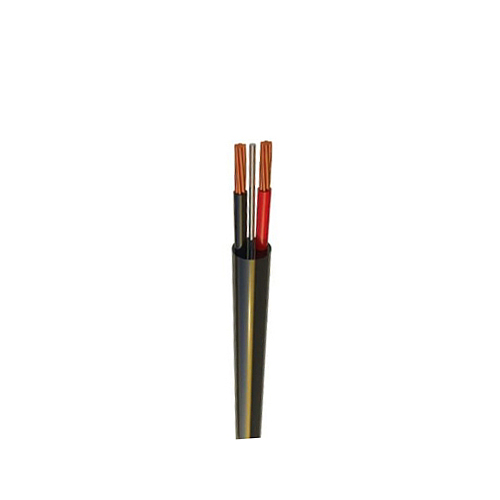
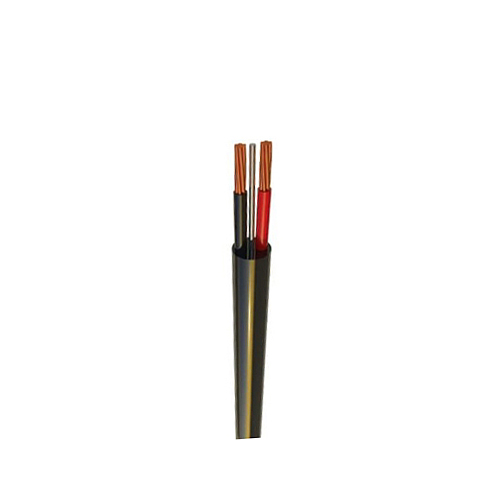
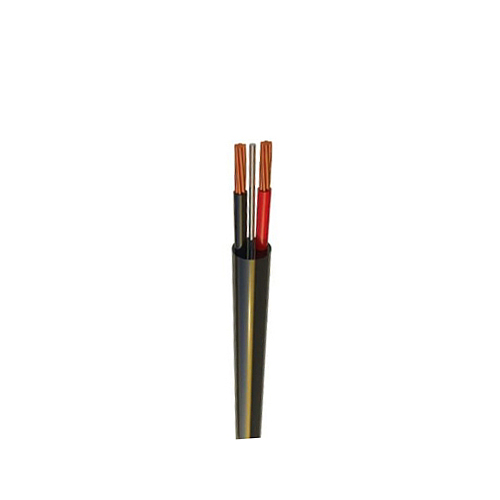
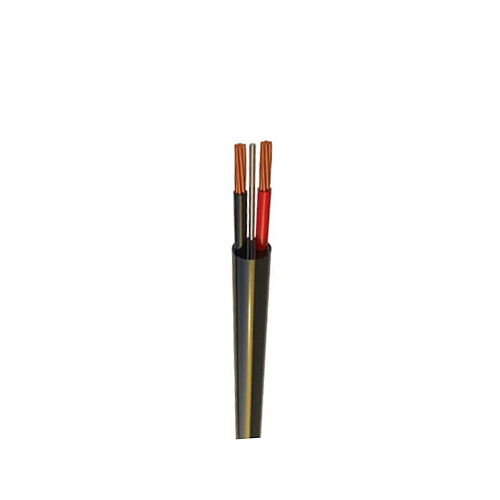
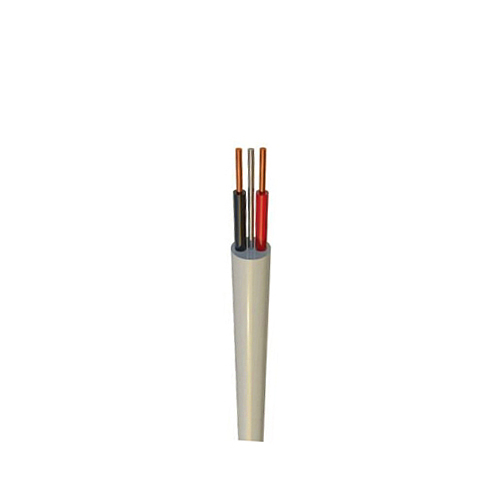
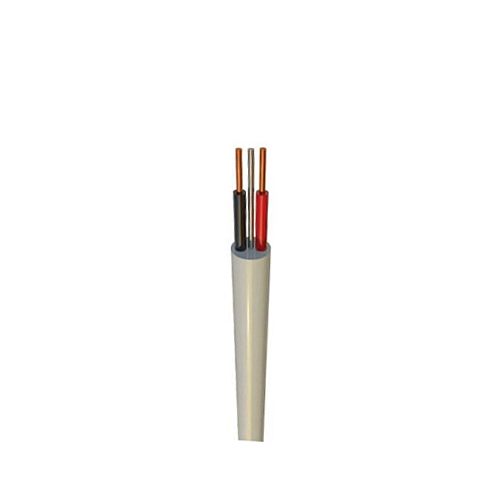
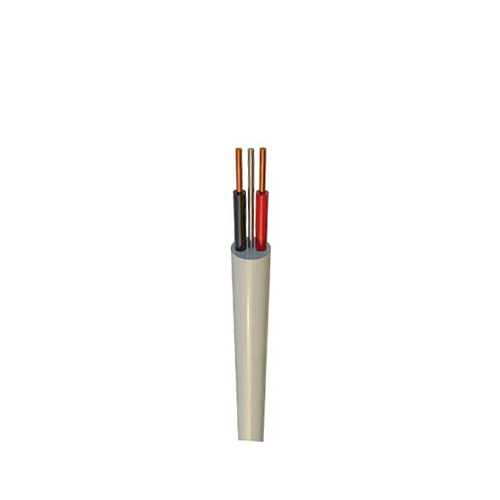
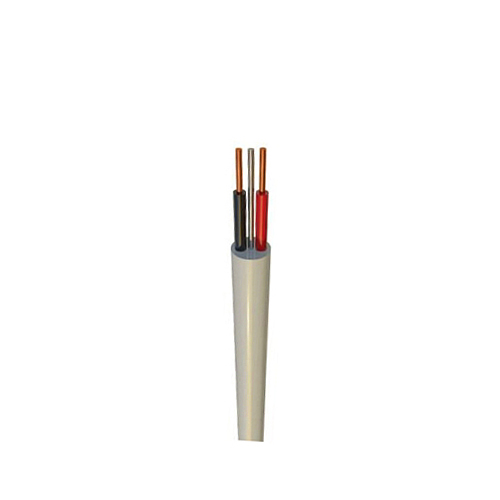
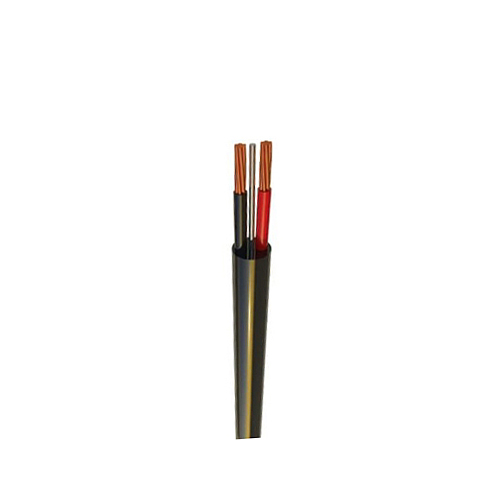
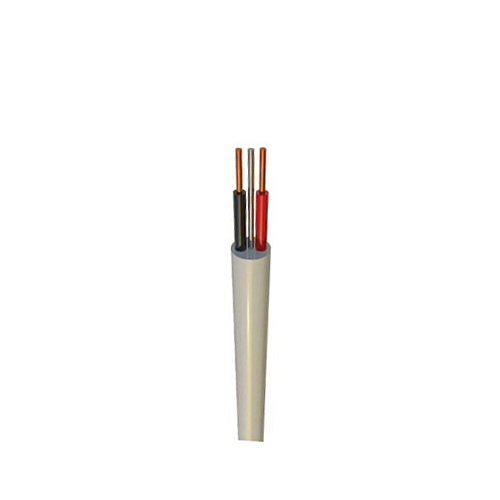
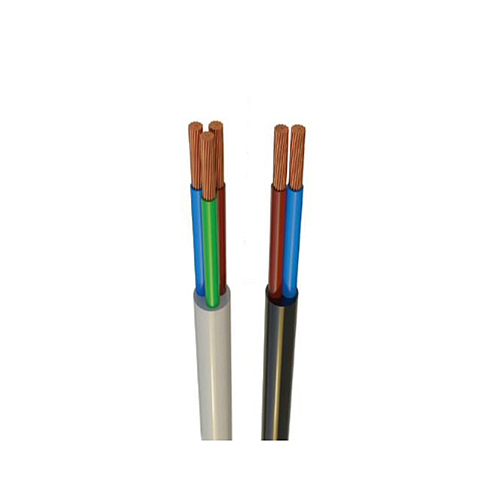
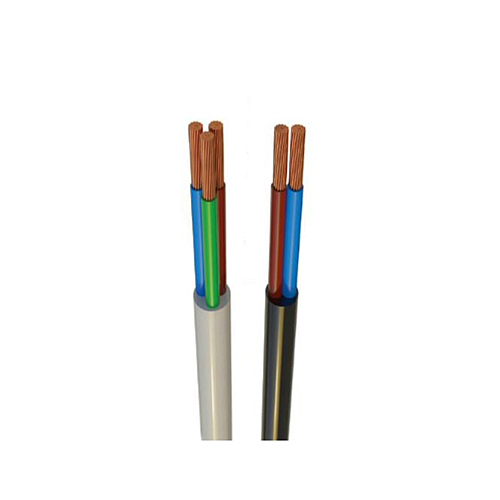
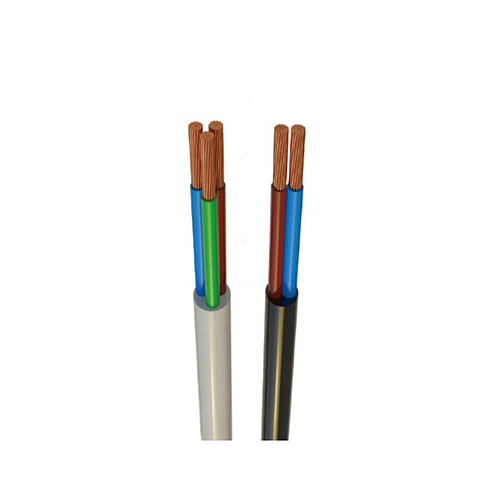
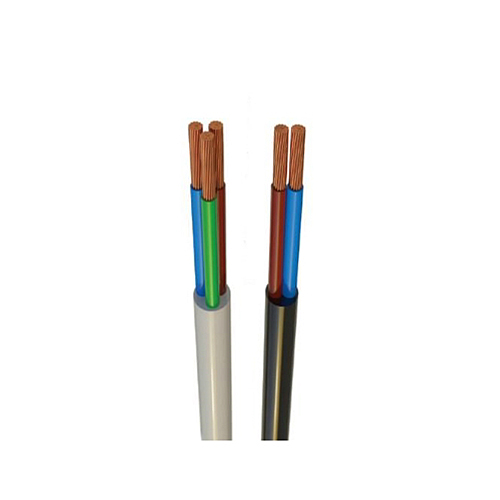
Surfix cable, often called Norsk cable in the South African market, is a round, rigid cable made for fixed installations in residential, commercial, and light industrial environments.
Construction:
-
Solid copper cores up to 2.5mm² (the larger sizes are usually stranded)
-
PVC insulation around each core
-
PVC outer sheath
-
Typically includes:
-
Live (brown or red),
-
Neutral (blue or black),
-
and Bare tinned-copper earth wire (no insulation), laid under a foil laminate
-
Surfix is designed to be run inside walls, ceilings, conduits, or clipped to fixed structures.
Typical Applications:
-
Fixed internal wiring (e.g. plug circuits, lighting)
-
DB board wiring to final circuits
-
Internal electrical reticulation in buildings
-
Outdoor use in conduit or sleeving where mechanical and UV protection is provided
⚠️ Can Surfix Be Used Outdoors?
Yes, with limitations.
Whether Surfix/Norsk cable may sit in the sun depends on the roll: Aberdare’s datasheet declares its sheath UV stable, while many unbranded rolls make no UV claim, and SANS 10142-1 keeps any cable without that declaration out of sight of the sky. Full sun also derates the cable’s current rating. The safe habit is to run it inside UV-resistant conduit, trunking, or piping.
✅ Safe practice tip: When using Surfix outdoors, always run it inside black UV-rated PVC conduit or sleeving. Avoid leaving the cable exposed, even in shaded areas.
What is Cabtyre Cable?
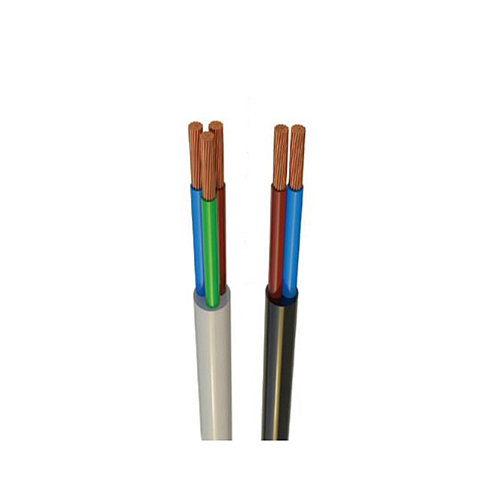
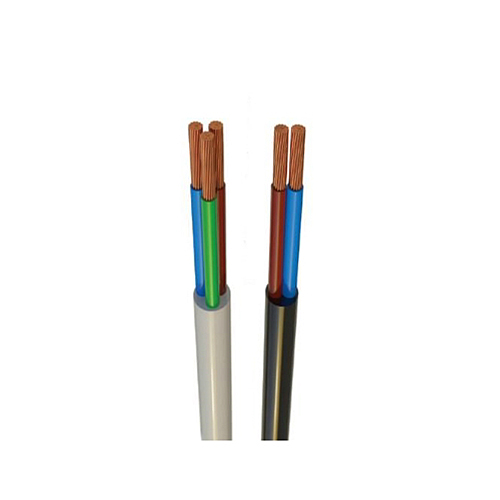
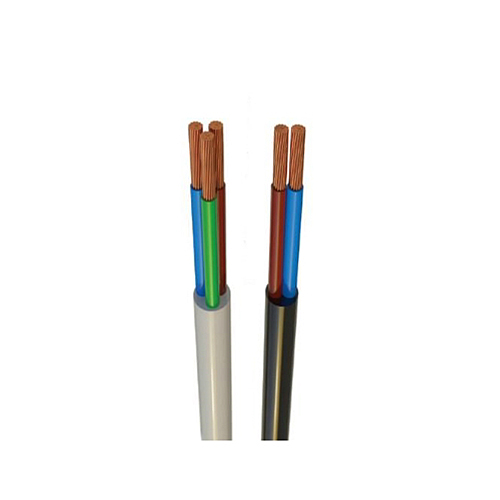
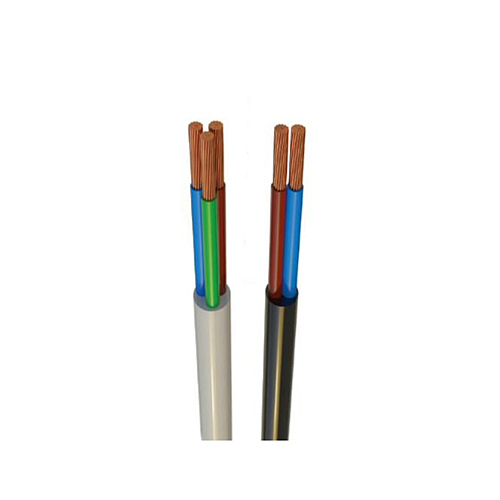
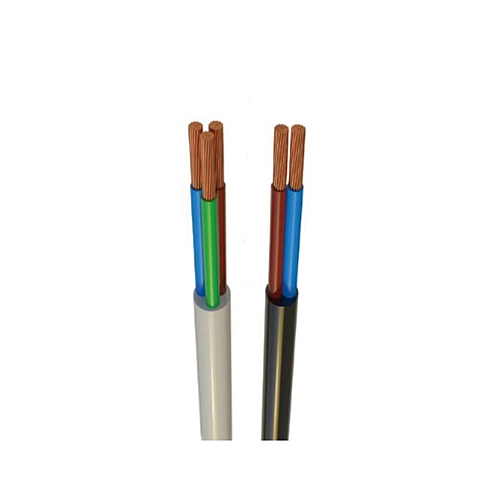
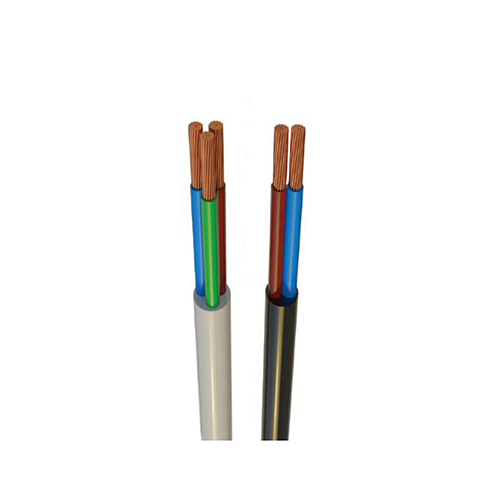
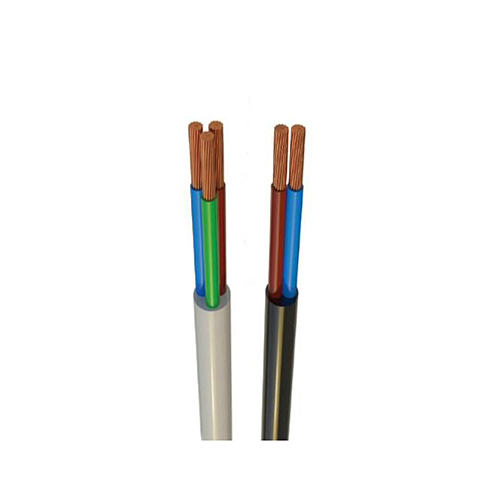
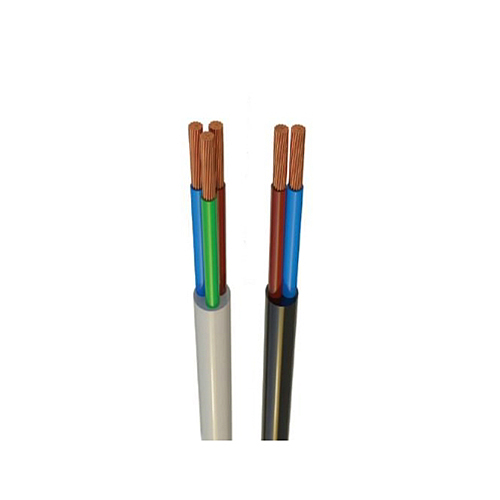
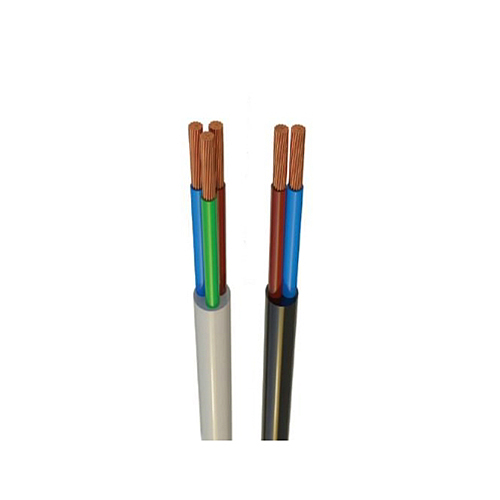
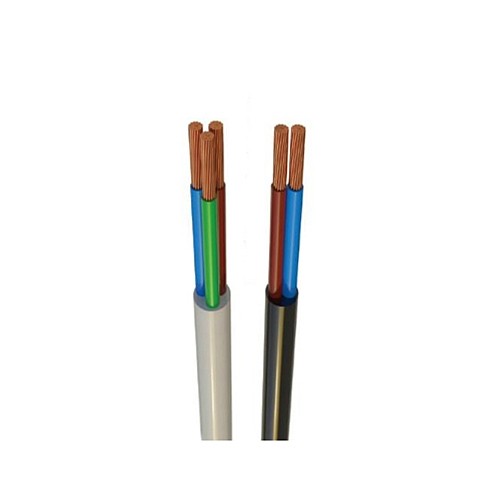
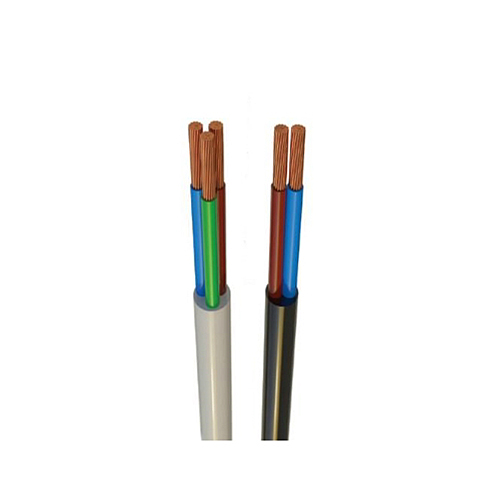
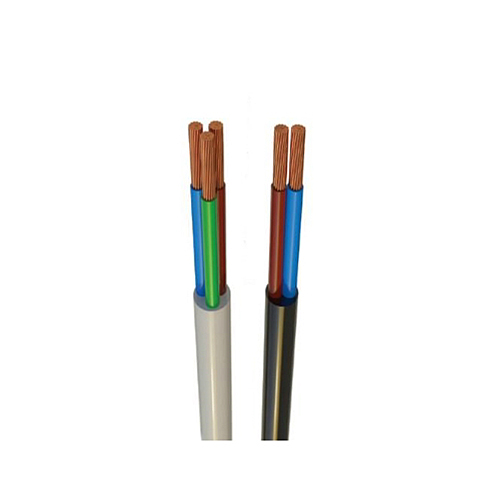
Cabtyre cable is a flexible, multi-core cable designed for portable and movable electrical applications. It’s commonly used wherever flexibility, durability, and repeated handling are required.
Construction:
-
Stranded copper conductors (increases flexibility)
-
Individual PVC-insulated cores
-
Robust outer sheath
-
Round cable shape
Cabtyre is ideal for temporary setups and equipment that require movement, unplugging, or re-routing.
Typical Applications:
-
Power tools and portable machinery
-
Extension cords
-
Appliances and equipment
-
Temporary lighting installations (e.g. construction sites)
-
Workbenches or mobile setups
🛠️ Trade tip: Cabtyre cable is often chosen for its resistance to vibration and movement, making it ideal in workshops or mobile settings.
Surfix vs Cabtyre: Key Differences
| Feature | Surfix Cable | Cabtyre Cable |
|---|---|---|
| Flexibility | Rigid (solid core) | Flexible (stranded core) |
| Form | Round | Round |
| Durability | Moderate. fixed positions only | High. resistant to movement and impact |
| Installation Type | Fixed/permanent wiring | Temporary or portable connections |
| Typical Use | Internal wiring in buildings | Tools, appliances, extension cords |
| Outdoor Suitability | Only with conduit or protection | Suitable for outdoors depending on sheath quality |
| Handling | Can kink or snap if bent sharply | Easy to coil, route, and re-use |
Which One Should You Use?
Here’s a quick breakdown based on your intended application:
| Use Case | Recommended Cable |
|---|---|
| Wiring a new home | Surfix |
| Running cable through conduit in a wall | Surfix |
| Building a portable extension lead | Cabtyre |
| Connecting a power tool | Cabtyre |
| Wiring outdoor lights | Surfix (in conduit) |
| Supplying a geyser or stove | Surfix |
| Temporary site lighting | Cabtyre |
Liteglo’s Cable Range. Available Online
We stock a full range of Surfix and Cabtyre cable in various:
-
Core configurations (e.g. 2-core, 3-core + earth)
-
Thicknesses (e.g. 1.5mm², 2.5mm², 4mm² and more)
-
Lengths (pre-cut or full rolls)
Order smarter. Order online.
Choose the right cable for your project with Liteglo, South Africa’s trusted online supplier for electrical professionals.
Shop Surfix Cable – Per Meter











Shop Surfix Cable – 100M Rolls

Shop Cabtyre Cable – Per Meter







Shop Cabtyre Cable – 100M Rolls

Common Questions
Is it cabtyre, cab tyre or cab tire?
Cabtyre, one word. You will see all three spellings, and the trade also calls it flex or flexible cable. It is the same product.
Can I use Cabtyre for wiring in a wall?
No. Fixed wiring must be a fixed-wiring cable, and Cabtyre in a wall will not pass a Certificate of Compliance inspection. Use Surfix or flat twin and earth.
Can I use Surfix to make an extension lead?
No. Solid cores crack when they are flexed repeatedly, and the bare earth is not safe in a lead that gets handled. Extension leads are Cabtyre, always.
Why does my Cabtyre lead get warm?
Either the lead is too thin for the tool, or it is too long, or it is coiled while in use. Uncoil it fully, and if it still warms up, replace it with the next size up.
Which is cheaper?
Per metre they are close, and both follow the copper price. The expensive mistake is buying the wrong one and having to redo the job.
Related Guides
- Surfix vs Flat Twin & Earth: Which Cable is Right for SA Homes?
- What Cable Size Do You Need for a Stove in South Africa?
- 2.5mm Twin & Earth: the cable that wires most South African homes (buyer’s guide)
- Armoured Cable vs Surfix: Best Choice for Outdoor Installations
- What heat gun do you need? Wattage, uses & best picks in South Africa
Need Assistance?
📧 [email protected]
📞 011 781 3100
💬 WhatsApp: 060 322 9674