


Armoured Cable vs Surfix. Best Choice for Outdoor Installations
Quick answer: For anything outdoors that is buried, exposed to weather, or at risk of being hit, use armoured cable (SWA). It has a steel wire layer under a tough PVC sheath and can go straight into the ground. Surfix is a fixed-wiring cable for surface and under-plaster runs. Outdoors, SANS 10142-1 lets it see the sky only where the manufacturer declares the sheath UV stable (Aberdare does, many unbranded rolls do not), and full sun derates its current rating, so the usual practice is to run it inside UV-rated conduit for short, protected domestic runs. When in doubt outdoors, armoured wins.
Why Outdoor Cable Choice Matters
Outdoor installations are exposed to sun, rain, rodents, and mechanical stress. Choosing the wrong cable can quickly lead to damage, electrical faults, or even fire. In South Africa, the most common comparison is between Armoured Cable and Surfix. Both are widely used, but they serve different purposes.
What is Armoured Cable?
Armoured Cable, often referred to as SWA (steel wire armoured), is designed for demanding conditions.
-
Multi-core copper conductors
-
PVC or XLPE insulation
-
Steel wire armouring for mechanical protection
-
UV and weather resistant
-
Suitable for underground runs and exposed outdoor installations
What is Surfix Cable?
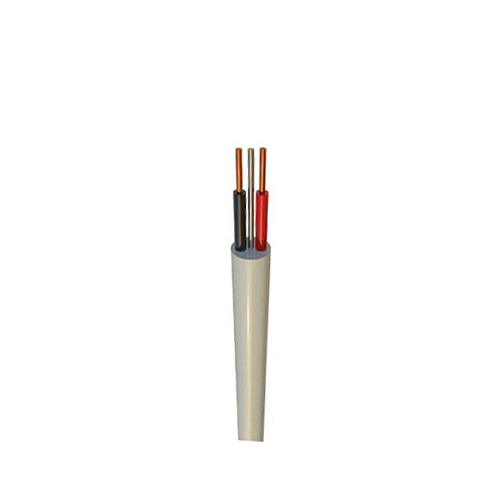
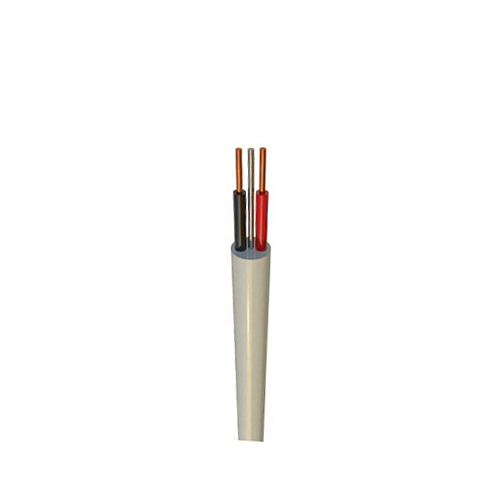
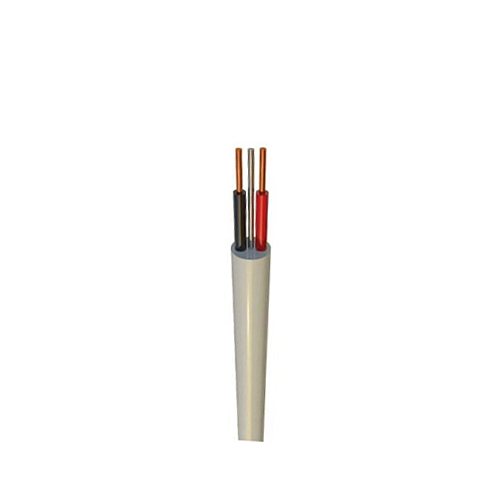
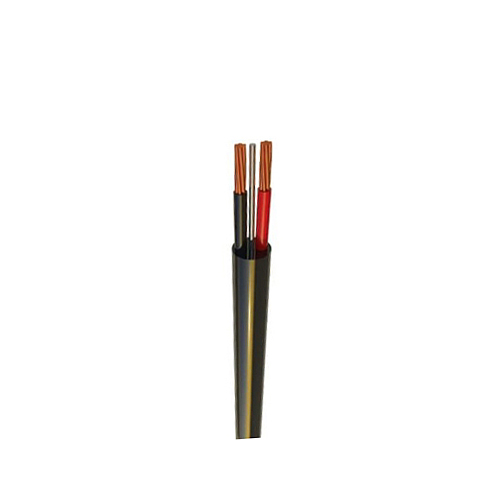
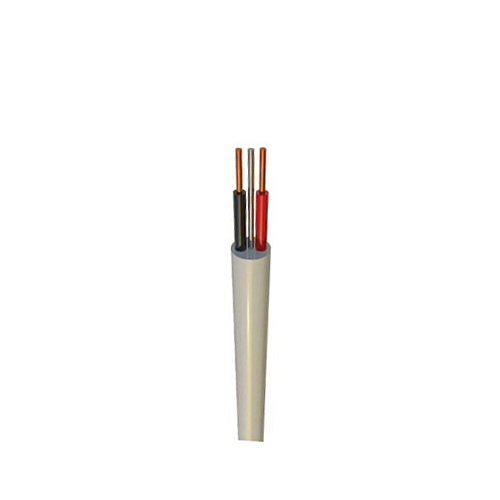
Surfix is a more lightweight cable primarily intended for indoor fixed wiring.
-
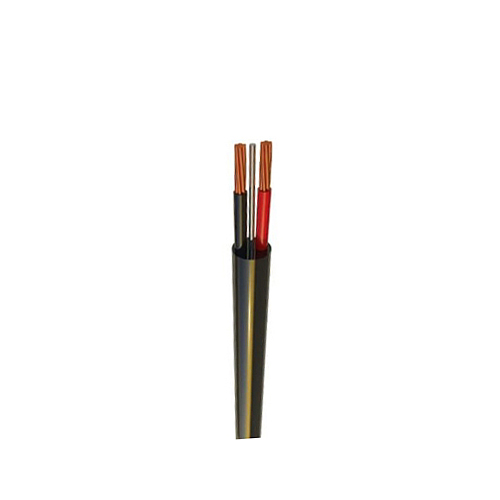
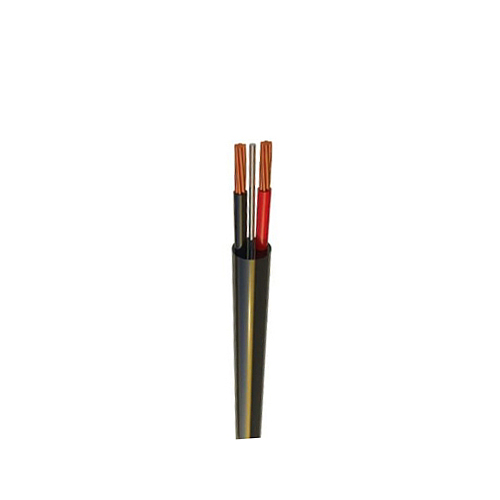
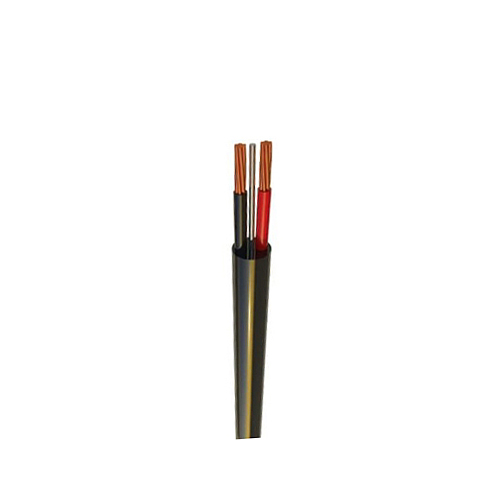
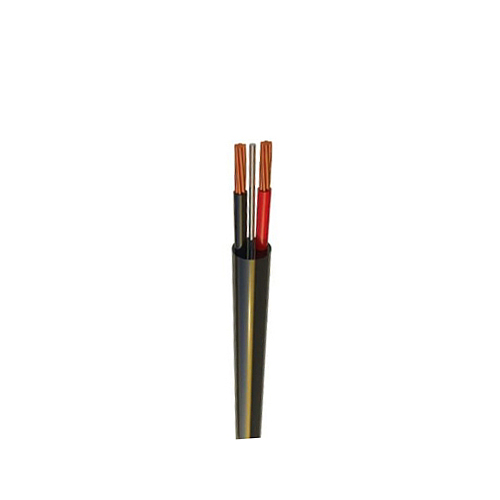
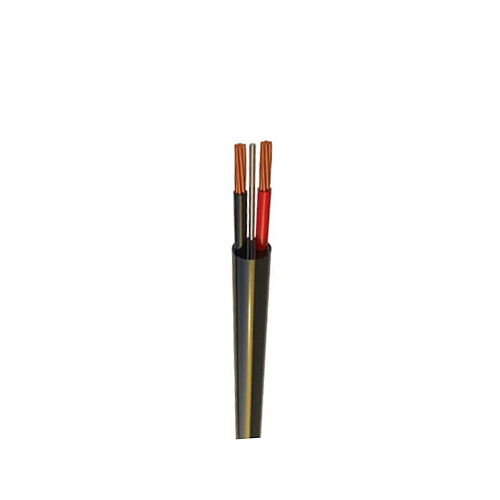
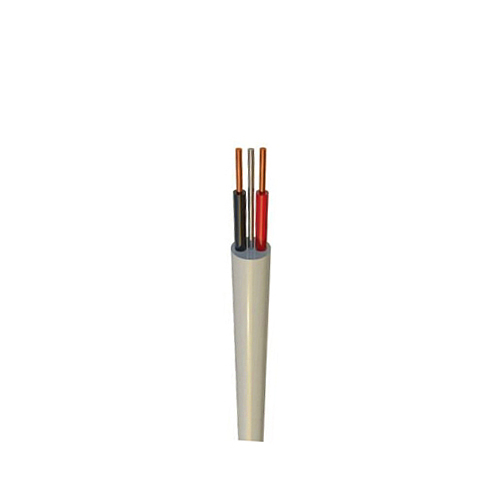
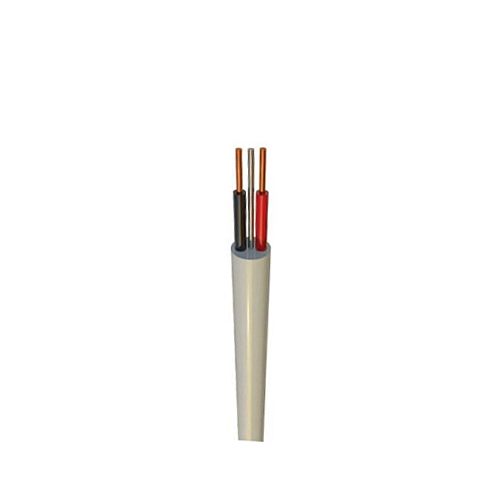
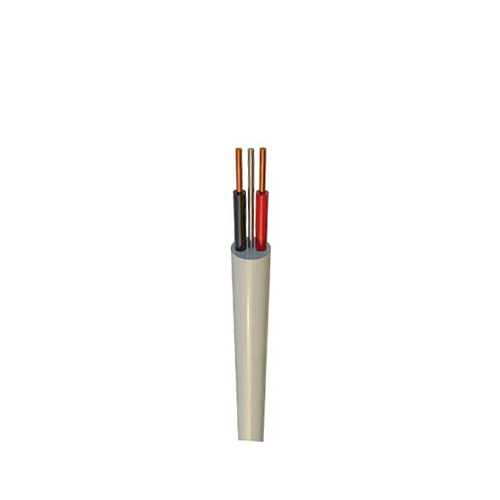
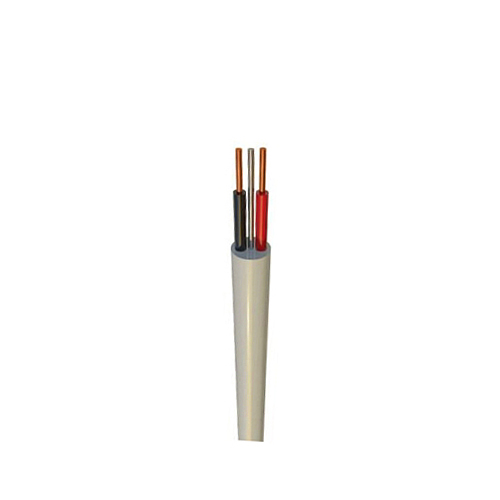
Round PVC-sheathed cable with solid copper conductors (stranded in the larger sizes)
-
Includes live, neutral, and bare copper earth conductor
-
Commonly used in residential circuits
-
Can be used outdoors only if placed inside black UV-rated conduit
Key Differences Between Armoured Cable and Surfix
-
Mechanical strength: Armoured provides heavy-duty protection; Surfix is fragile by comparison
-
Outdoor suitability: Armoured is safe for burial and direct exposure; Surfix requires conduit protection
-
Cost: Armoured is more expensive but lasts longer outdoors; Surfix is cheaper but needs additional conduit
-
Flexibility: Surfix is lighter and easier to handle; Armoured is heavier and more rigid
Which Should You Use Outdoors?
-
For exposed outdoor runs, underground wiring, or areas where physical damage is possible, Armoured Cable is the correct choice.
-
For smaller domestic outdoor runs that are protected inside conduit, Surfix can still be used effectively.
Common Mistakes to Avoid
-
Running Surfix directly outdoors without conduit
-
Burying Surfix instead of Armoured Cable
-
Mixing flexible and fixed cables incorrectly
-
Ignoring SANS regulations for protection and breaker sizing
Choosing the Right Outdoor Cable with Lite-Glo
At Lite-Glo, we stock Armoured Cable, Surfix, and a full range of conduits, accessories, and breakers. Whether you’re wiring a new outdoor light, a garden pump, or a commercial installation, we have the products to keep your installation safe and compliant.
Armoured Cable vs Surfix at a Glance
| Question | Armoured cable (SWA) | Surfix |
|---|---|---|
| Buried in the ground | Yes, directly | Never |
| Exposed to sun and rain | Yes | Only inside UV-rated conduit |
| Mechanical protection | Built in, steel wire | None, needs conduit |
| Termination | Armoured glands at each end | Standard |
| Cost per metre | Higher, no conduit needed | Lower, plus conduit and fittings |
Which Armoured Cable Size for Which Outdoor Job
The typical pairings for the outdoor jobs we get asked about most. Every one must be confirmed by a registered electrician against the load and the length of the run, because voltage drop over a long outdoor run is what pushes the size up.
- Gate motor, outdoor lights, a pond pump: 2.5mm² armoured, usually 3-core.
- Garden cottage or garage with a few plugs and lights: 4mm² or 6mm² armoured feeding a small sub-DB.
- Outbuilding with a geyser or stove, or a borehole pump: 10mm² armoured and up, sized to the load.
- Long runs over 40 to 50 metres: one size up from the load alone, to hold the voltage at the far end.
All common sizes and core counts are at armoured cable, sold by the metre so you buy the run and not a drum.
Installing Armoured Cable Properly
- Glands are not optional. An armoured gland at each end clamps the steel wire, earths it, and seals the entry. Without them the armour is not earthed and the installation will not pass a CoC inspection.
- Bury it deep enough. SANS 10142-1 (clause 6.4.4.1) puts a buried cable at least 500mm down, with marker tape 300 to 400mm above it and no sharp objects in the backfill; shallower is allowed only inside conduit or other mechanical protection, or on a 30mA earth leakage, and armour counts as mechanical protection. The standard sets no separate driveway depth, but going deeper under paving and driveways is common sense and a sand bed is good practice. Your electrician will confirm what the site needs.
- Bed it in sand, not in the stones dug out of the trench, so nothing sharp sits against the sheath.
- Mark the route. A photograph of the open trench with a tape measure in it saves the next person from digging through it.
Armoured Cable Questions We Get Asked
Can Surfix be buried directly in the ground?
No. Surfix must be run in conduit outdoors. Armoured Cable is the safe choice for burial.
Is Armoured cable more expensive?
Yes, but it provides unmatched durability and protection for outdoor runs.
Which one complies with SANS?
Both are compliant if used correctly. The application determines compliance.
Can I run Armoured cable indoors?
Yes, but it is heavier and more difficult to terminate than Surfix.
Can armoured cable be run above ground, on a wall or fence?
Yes. It is rated for direct exposure, so it can be clipped to a wall or run along a fence without conduit. Use proper cable cleats sized to the cable and keep the bends generous.
Does armoured cable need conduit?
No. The steel wire armour and the outer sheath are the protection. Adding conduit is only worth it where the cable passes through a wall or somewhere it could be struck repeatedly.
Can I use Surfix in conduit underground instead of armoured cable?
It is done, and it is a false economy. Conduit underground fills with water, joints fail, and Surfix was never designed to sit wet. Armoured cable in the ground costs more on the day and less over the life of the installation.
How is armoured cable sold?
By the metre, in the core counts and sizes an electrician will specify. Measure the real route including the rise at each end and add two to three metres for the glands and terminations.
Related Guides
Shop Armoured Cable – Per Meter

Shop Surfix Cable – Per Meter











Shop Surfix Cable – 100M Rolls

⚠️ Safety & Compliance Notice
All electrical installations in South Africa must comply with SANS 10142-1 (Wiring Code) and the Occupational Health & Safety Act. Work must be carried out by a qualified, registered electrician.
This article is for general educational purposes only. It does not replace professional advice, and Lite-Glo accepts no liability for how this information is used. Always obtain a valid Certificate of Compliance (CoC) for any electrical work.
Need Assistance?
📧 [email protected]
📞 011 781 3100
💬 WhatsApp: 060 322 9674