


Surfix vs Flat Twin and Earth. Which Cable is Right for South African Homes?
Quick answer: Flat twin and earth for the plug and lighting circuits inside walls and ceilings; Surfix for surface runs and the heavy circuits (geyser, stove, DB board feeds). Both are solid-core PVC cables for fixed wiring in South African homes, made to SANS 1507-2 and rated 300/500V. Surfix is round, with a bare tinned-copper earth under a foil laminate and a harder sheath, so it is the usual pick for surface runs and for geysers, stoves and DB board feeds. Flat twin and earth is flat, with a bare copper earth between the two cores, and is the everyday cable for plug and lighting circuits. Both are installed under SANS 10142-1. Outdoors, the standard lets either cable see the sky only where the manufacturer declares the sheath UV stable; otherwise it goes out of sight of the sky, in conduit.
Why the Cable Choice Matters
When wiring a home or small business in South Africa, two of the most common fixed wiring cables are Surfix (sometimes called Norsk) and Flat Twin and Earth. Both are flat, multi-core cables that appear similar at first glance, but they are designed for slightly different applications. Choosing the correct one ensures safety, performance, and compliance with the national wiring code, SANS 10142.
What is Surfix Cable?
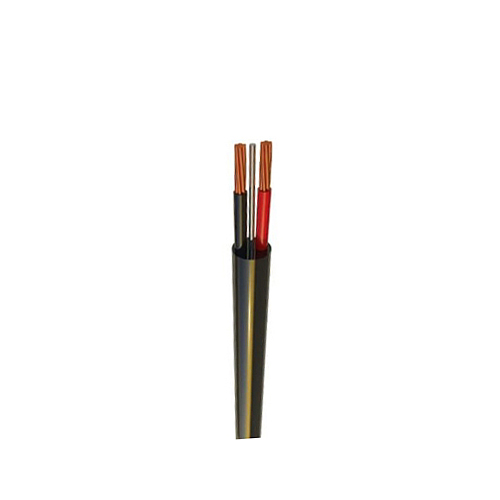
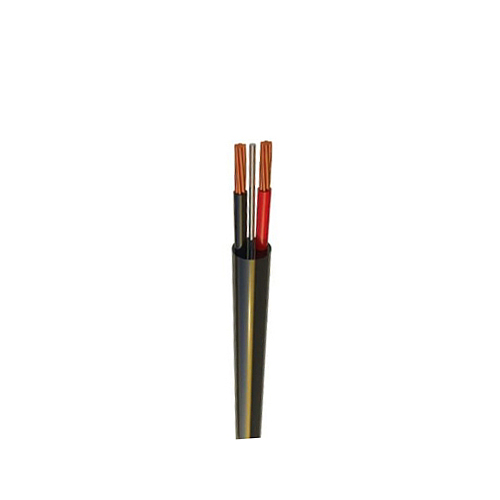
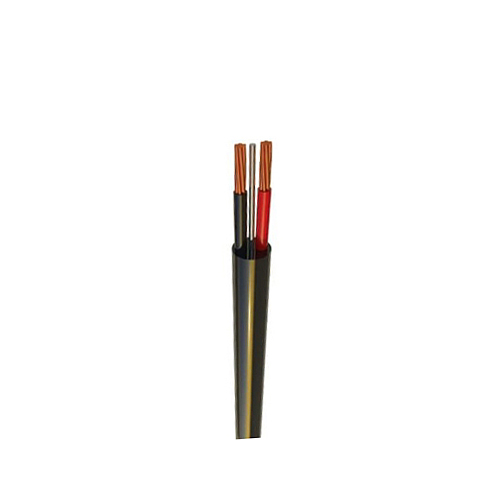
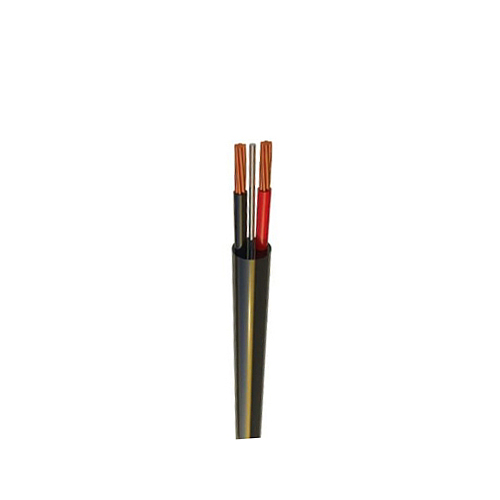
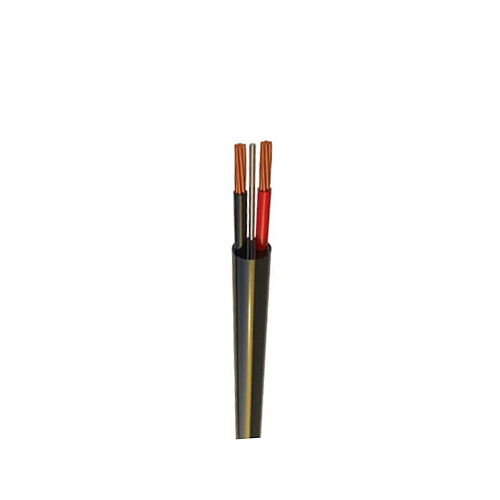
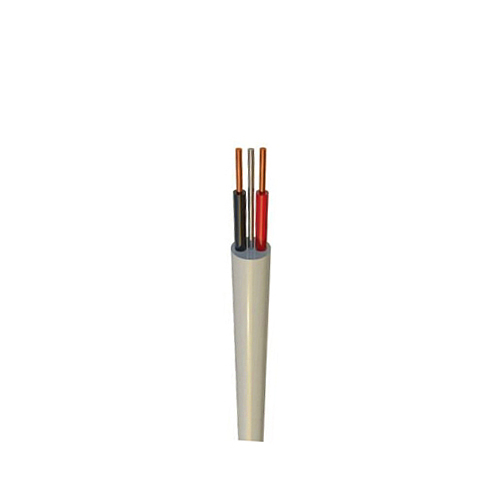
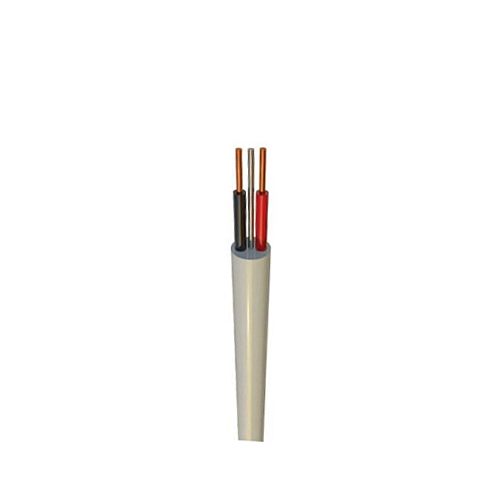
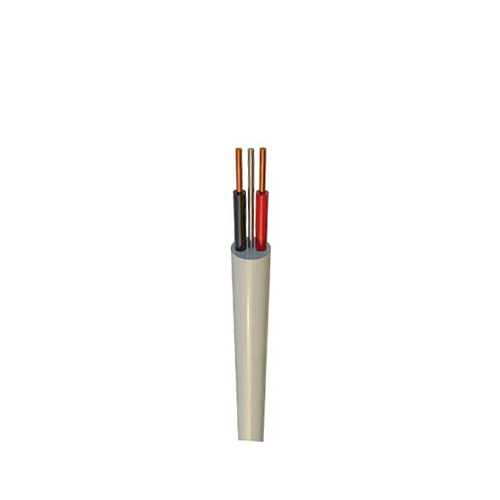
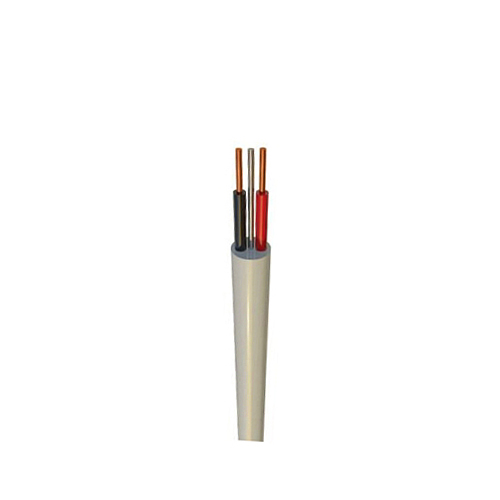
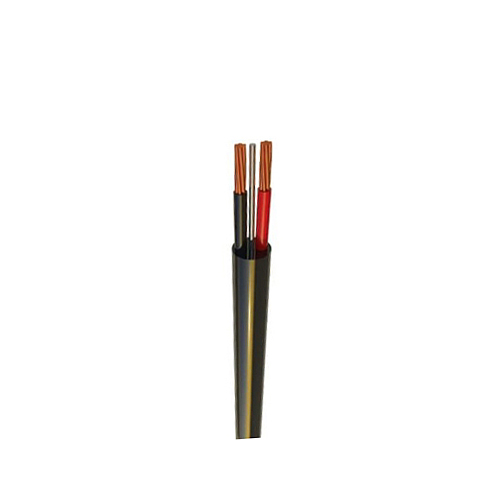
Surfix is a rigid, round cable used mainly for fixed electrical installations.
-
Solid copper cores (non-stranded)
-
PVC insulation around each conductor
-
Round, hard-grade PVC outer sheath
-
Includes live, neutral, and a bare tinned-copper earth conductor laid under an aluminium foil laminate
-
Typically run inside walls, ceilings, or conduit
What is Flat Twin and Earth Cable?
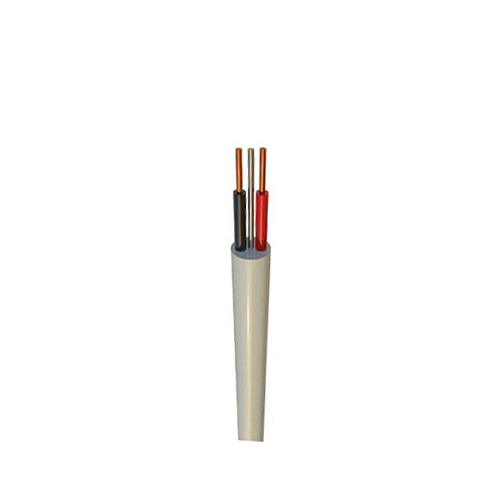
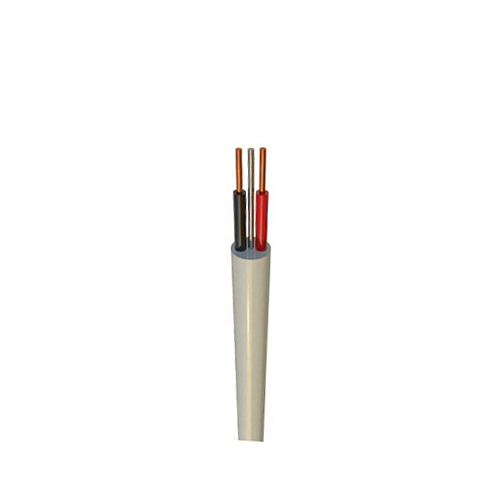
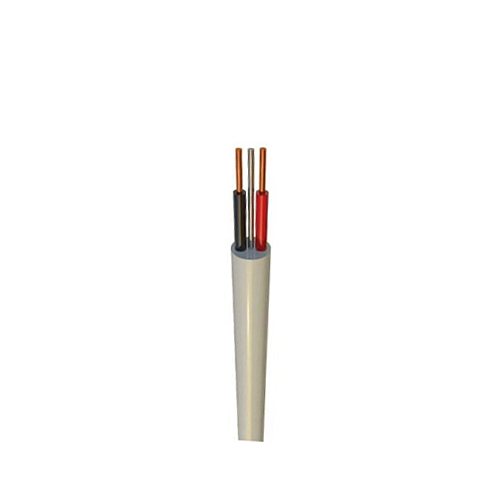
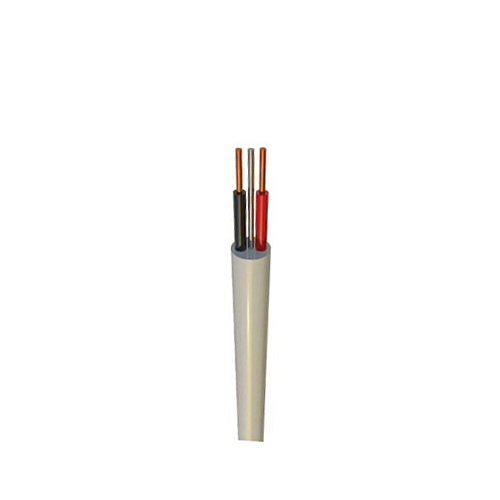
Flat Twin and Earth is another fixed installation cable, but with a slightly different design.
-
Flat, solid copper conductors
-
PVC insulation on live and neutral wires
-
Bare copper earth conductor laid between the two cores (no foil laminate)
-
Widely used in residential plug and lighting circuits
-
Long-established in traditional South African wiring
Key Differences Between Surfix and Flat Twin and Earth
-
Shape and earth: Surfix is round with a bare tinned earth under foil; Flat Twin and Earth is flat with a bare copper earth between the cores
-
Typical use: Surfix is often chosen for geysers, stoves, and DB board connections; Flat Twin and Earth is common for plugs and lighting
-
Outdoor use: Only where the manufacturer declares the sheath UV stable (Aberdare does; many unbranded rolls make no claim). Otherwise both must be installed inside UV-rated conduit when used outdoors
-
Availability: Surfix is more widely available in modern retail, but both are still stocked
Which One Should You Use?
Both cables are SANS-compliant when installed correctly. The choice usually depends on:
-
The application (Surfix for high-load appliances, Flat Twin and Earth for general circuits)
-
Electrician preference and experience
-
Stock availability at suppliers
For most homeowners, the decision is best left to a registered electrician.
Common Mistakes to Avoid
-
Using Surfix or Flat Twin and Earth exposed to direct sunlight
-
Running undersized cables for high loads
-
DIY installations without a Certificate of Compliance
-
Confusing flexible cables like cabtyre with fixed wiring cables
Choosing the Right Cable with Lite-Glo
At Lite-Glo, we stock Surfix and Flat Twin and Earth cables in a wide range of sizes and lengths. Whether you are wiring a new home, upgrading circuits, or supplying appliances, you can order online for fast delivery or in-store pickup.
Surfix vs Flat Twin and Earth at a Glance
The two cables side by side, for the decisions that actually come up on site.
| Question | Surfix | Flat twin and earth |
|---|---|---|
| Shape | Round | Flat |
| Earth conductor | Bare tinned copper under a foil laminate | Bare copper between the two cores |
| Typical job | Geyser, stove, DB feeds | Plugs and lighting |
| Common sizes | 1.5, 2.5, 4, 6, 10mm² | 1.5 and 2.5mm² |
| Outdoors | Only inside UV-rated conduit | Only inside UV-rated conduit |
| How it is sold | Per metre or 100m rolls | Per metre or 100m rolls |
What Size Surfix or Twin and Earth Do You Need?
The cable type answers what the run is for. The cable size answers how much current it carries. Both have to be right.
- 1.5mm² for lighting circuits.
- 2.5mm² for plug circuits, the most common size in any South African home.
- 4mm² for a standard geyser or a smaller oven.
- 6mm² for most free-standing stoves and larger geysers.
- 10mm² for very large loads or long runs from the DB board.
Both cables are sold by the metre at Surfix per metre and flat twin and earth per metre, so a short run does not mean buying a full roll. For a whole house rewire the 100m rolls work out cheaper per metre.
Is Surfix the Same as Surflex or Norsk?
Yes, for practical purposes. Surfix is a trade name that has become the everyday word for this flat fixed-wiring cable in South Africa, and you will hear it called Norsk after a manufacturer and misspelt as Surflex. Ask for it by size and it is the same cable. What it is not is cabtyre, which is a round, flexible, stranded cable for appliances and extension leads and is never used for fixed wiring in walls.
Surfix and Flat Twin Questions We Get Asked
Can Surfix cable be used outdoors?
Yes, but only if installed inside UV-rated conduit.
Is Flat Twin and Earth still allowed in South Africa?
Yes. Both Surfix and Flat Twin and Earth are legal under SANS 10142.
Which is safer?
Both are safe if installed correctly. Safety depends on installation, not just cable type.
Which is cheaper?
Prices vary by copper market conditions, but both are considered affordable fixed wiring options.
Can twin and earth be used outside?
Not on its own. Sunlight breaks down the PVC sheath and the cable becomes brittle and unsafe. Outdoors it must run inside UV-rated conduit or be replaced with an outdoor-rated cable such as armoured cable for anything underground.
Can I mix Surfix and flat twin and earth in one house?
Yes. Many homes have Surfix on the geyser and stove circuits and flat twin and earth on the plugs and lights. What matters is that each circuit uses the correct size and is protected by the correct breaker.
Which one do electricians prefer?
It depends on the job and on what they were trained with. For surface runs and high-load circuits most reach for Surfix because of the harder sheath and the foil laminate. For general circuits flat twin and earth is the long-established choice. Neither is wrong when it is sized and installed correctly.
Do I need a Certificate of Compliance for a rewire?
Yes. Any fixed wiring must be installed and certified by a registered person under SANS 10142, and a valid CoC is what your insurer will ask for after a fault or a fire.
How to Tell Them Apart on the Shelf
Side by side the two look alike, and on a busy counter they get confused. Three things settle it in seconds.
- Look at the shape, then strip the end. Surfix is round; flat twin and earth is flat like a ribbon. Both have a bare earth: silver-coloured tinned copper against a foil laminate in Surfix, plain copper between the two cores in flat twin and earth.
- Feel the sheath. Surfix has a thicker, stiffer outer jacket that holds its shape when bent. Flat twin and earth is a little softer and flatter.
- Read the print on the sheath. Every metre is marked with the size and the standard. If the print says Norsk or Surfix it is Surfix; if it says twin and earth, it is not.
If you are still not sure, bring a short offcut in with you. Matching a cable by eye is faster and safer than guessing from a photo, and it means the new run is the same cable as the old one.
Related Guides
- What Cable Size Do You Need for a Stove in South Africa?
- What Cable Size Do You Need for a Geyser in South African Guide
- 2.5mm Twin & Earth: the cable that wires most South African homes (buyer’s guide)
- Surfix vs Cabtyre Cable: What’s the Difference and Which One Should You Use?
- Armoured Cable vs Surfix: Best Choice for Outdoor Installations
Shop Surfix Cable – Per Meter











Shop Surfix Cable – 100M Rolls

Shop Flat Twin & Earth Cable – Per Meter


Shop Flat Twin & Earth Cable – 100M Rolls

⚠️ Safety & Compliance Notice
All electrical installations in South Africa must comply with SANS 10142-1 (Wiring Code) and the Occupational Health & Safety Act. Work must be carried out by a qualified, registered electrician.
This article is for general educational purposes only. It does not replace professional advice, and Lite-Glo accepts no liability for how this information is used. Always obtain a valid Certificate of Compliance (CoC) for any electrical work.
Need Assistance?
📧 [email protected]
📞 011 781 3100
💬 WhatsApp: 060 322 9674