


Solar PV Cable vs Normal Electrical Cable. Why You Can’t Mix Them
Quick answer: Solar PV cable is built for a roof: double insulated, UV-stable, rated for DC up to 1,500V and for the heat of a panel in the sun. Ordinary Surfix or Cabtyre is a 300/500V AC cable for fixed wiring, with PVC that is not rated for a roof’s heat or, on most rolls, for the sun. The DC side of a solar system, from the panels to the inverter, is PV cable only, in 4mm² for most homes and 6mm² for long or large strings, with MC4 connectors at every join.
Why the Cable Choice Matters in Solar Installations
South Africa’s growing demand for solar energy has made safe, compliant installations more important than ever. While panels, inverters, and batteries often get the spotlight, the cables that connect them are just as critical.
A common mistake in solar installations is using standard electrical cable instead of solar PV cable. At first glance, they may look similar, but they are engineered for very different conditions. Choosing the wrong type not only shortens system life, but also creates fire hazards and insurance risks.
What is Solar PV Cable?
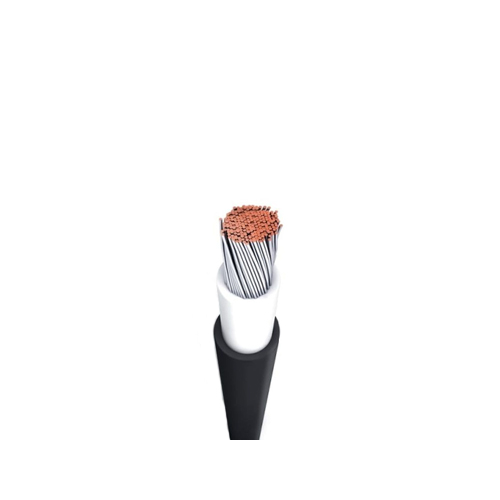
Solar PV cable is specifically designed to handle the unique stresses of solar power systems.
-
Flexible, stranded copper conductors for vibration resistance
-
Double-layer insulation, typically XLPE (cross-linked polyethylene)
-
UV-resistant and weatherproof for outdoor use
-
High-temperature tolerance, up to 120°C in some cases
-
Resistant to ozone, moisture, and chemical exposure
-
Rated for DC voltages (often up to 1,500V)
This makes PV cable durable and safe in harsh South African sun, rain, and dust conditions.
What is Normal Electrical Cable?
Standard electrical cables such as Surfix or Cabtyre are designed for indoor AC applications.
-
PVC insulation (suitable for 70°C continuous temperature)
-
UV resistance only where the maker declares it (Aberdare’s Surfix is UV stable; many rolls are not), and no ozone or roof-heat rating
-
Not designed for long-term direct sun exposure
-
Rated 300/500V AC, not the 1,500V DC of a PV string
-
Intended for fixed domestic wiring or flexible appliance use
These cables work perfectly in their intended environments, but they are not engineered for the demands of solar systems.
Key Differences Between PV Cable and Normal Electrical Cable
-
Voltage rating: PV cable is rated for high-voltage DC; normal cable is not
-
Durability: PV cable resists UV, weather, and temperature extremes; normal cable degrades quickly outdoors
-
Flexibility: PV cable is stranded for flexibility; normal cable is solid or less flexible
-
Safety: PV cable insulation prevents DC arcing; normal cable risks insulation breakdown
-
Compliance: SANS solar wiring regulations require PV cable for all exposed DC connections
Why You Cannot Mix the Two
Using normal electrical cable in a solar installation may seem like a cost-saving shortcut, but the risks are significant:
-
Insulation breakdown under UV exposure
-
Overheating due to high DC loads
-
Fire hazards from arcing and melted insulation
-
Insurance claims that an insurer may repudiate on a non-compliant installation
-
Shortened system lifespan and costly repairs
In short: solar requires solar cable.
South African Compliance Requirements
Under SANS 10142-1, whose clause 7.12.7 sends PV installations to SANS 60364-7-712 (the separate SANS 10142-1-2 was withdrawn and its content is being folded into 10142-1):
-
All DC cabling must be double insulated
-
Outdoor DC cabling must be UV-resistant
-
DC cabling must be rated for the maximum system voltage
-
Installations must be signed off by a registered person with a CoC
Failure to comply can result in installations being declared unsafe, and insurance will not cover damage caused by non-compliant wiring.
Common Mistakes in Solar Wiring
-
Using Surfix or Cabtyre from panels to inverters
-
Running normal PVC cable in conduit outdoors, assuming it is protected
-
Mixing PV cable and standard cable in the same run
-
Undersizing DC cabling, leading to excessive voltage drop
-
DIY installations without certification
Buy Solar PV Cable Online with Lite-Glo
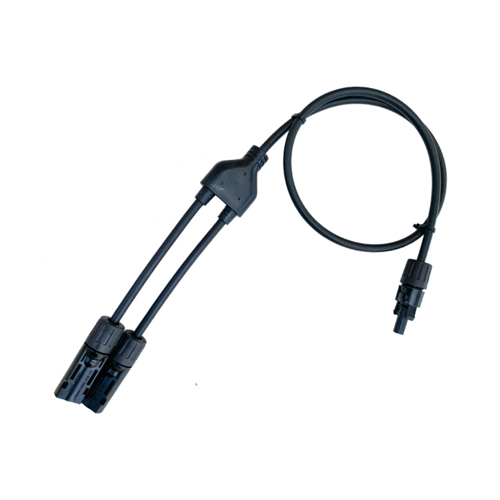
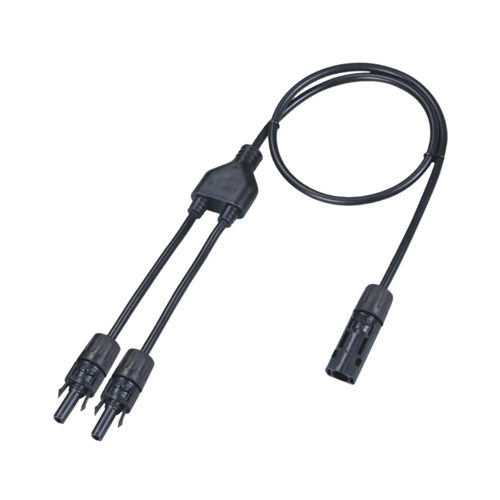
At Lite-Glo, we stock a full range of solar PV cables, including 4mm², 6mm², and larger sizes. All cables are UV-resistant, DC-rated, and compliant with South African standards. We also supply connectors, conduit, and accessories to complete your installation.
PV Cable vs Normal Cable at a Glance
| Question | Solar PV cable | Surfix or Cabtyre |
|---|---|---|
| Voltage | DC, up to 1,500V | AC, 230V |
| Insulation | Double layer, cross-linked | Single PVC |
| Sunlight | Rated for years of direct sun | Goes brittle |
| Heat on a roof | Rated to about 120°C | Rated to 70°C |
| Connectors | MC4, crimped | Terminals in a box |
| Colours | Red positive, black negative | Brown live, blue neutral |
Which Size PV Cable Do You Need?
- 4mm² PV cable for the string runs on most home systems, from the panels to the combiner or the inverter, where the run is short and the string current is modest.
- 6mm² PV cable for long runs from a far roof and for large strings. Battery-side runs are a different job entirely: a 5kW inverter on a 48V battery draws around 104A, so its manual calls for 25 to 70mm² battery cable with its own DC fuse (Sunsynk 5K: 25mm² and 120A; Victron MultiPlus-II 48/5000: 70mm² and a 200A fuse), never PV string cable. Voltage drop on the DC side costs you harvested power directly, so installers size up sooner than they would on AC.
- 10mm² and up for battery-to-inverter links on bigger systems, sized by the installer to the inverter’s rating.
Red and black in every size, sold by the metre, at solar PV cable. Buy the two colours in equal lengths; a run is always a pair.
The Rest of the DC Side
The cable is one part of a DC system that has to be protected as a whole, and the DC side is less forgiving than AC because a DC arc does not extinguish itself.
- DC isolator and DC circuit breakers between the panels and the inverter, rated for DC, never an AC breaker pressed into service. See DC circuit breakers.
- PV fuses on each string where more than two strings are paralleled. See PV fuses and holders.
- DC surge protection, because a lightning strike near the array arrives down the PV cable. See DC surge protectors.
- A solar DB board to hold all of it in one enclosure next to the inverter. See solar distribution boards.
Solar Cable Questions We Get Asked
Can I use normal Surfix cable for solar panels?
No. Surfix is a 300/500V AC cable with no DC rating and, on most rolls, no UV declaration; a PV string runs at up to 1,500V DC in full sun.
Is PV cable more expensive than normal cable?
Yes, but it is designed to last 20–25 years outdoors, making it cost-effective in the long run.
Can I use normal cable if I put it in conduit?
No. Even in conduit, non-UV cable insulation degrades in heat and under DC load.
What size PV cable do I need for solar panels?
Most panel strings use 4mm² or 6mm² PV cable, but size must be calculated based on current, distance, and system design.
Is PV cable a legal requirement in South Africa?
Yes. SANS 10142-1 clause 7.12.7 requires PV installations to comply with SANS 60364-7-712, which is where the UV-resistant, DC-rated PV cable requirement lives (SANS 10142-1-2 was withdrawn).
Can I mix AC electrical cable with DC PV cable?
No. DC and AC circuits must be separated, and each requires cables designed for their purpose.
Can I use PV cable for the AC side, from the inverter to the DB board?
You can, but there is no need. The AC side is ordinary fixed wiring, Surfix in the size the inverter output calls for, run and protected like any other circuit.
Why are MC4 connectors such a big deal?
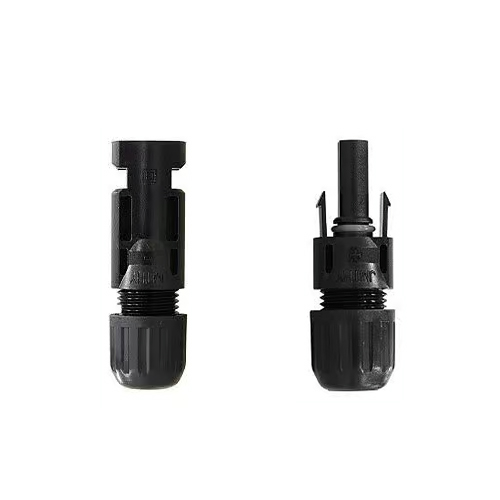
They are the joins that sit in the sun for twenty years. A poorly crimped or mismatched MC4 is one of the leading causes of solar fires that installers report, and IEC 60364-7-712 requires both halves of a connector to be the same type from the same manufacturer. Use the crimping tool, not pliers, and do not mix connector brands on one join.
Does PV cable need conduit on the roof?
Not for UV protection; it is rated for the sun. It does need to be clipped and routed so it cannot chafe on the roof sheet or the rail, and it must not lie in water where the roof pools. Under the roof and through walls it goes in conduit like any other cable.
Will the installer supply the cable?
Usually, and usually at a markup. Many customers buy the cable, the DC protection and the mounting themselves and have the installer fit it. Agree that before the quote.
Related Guides
- What Solar Panel Size Do You Need for a South African Home? (2026 Guide)
- Armoured Cable vs Surfix: Best Choice for Outdoor Installations
- Surfix vs Cabtyre Cable: What’s the Difference and Which One Should You Use?
- What Is Armoured Cable (SWA) & What Size Do You Need in South Africa?
- Earth Leakage vs Circuit Breaker: Do You Need Both?
Shop Solar PV Cable – Per Meter






⚠️ Safety & Compliance Notice
All electrical installations in South Africa must comply with SANS 10142-1 (Wiring Code) and the Occupational Health & Safety Act. Work must be carried out by a qualified, registered electrician.
This article is for general educational purposes only. It does not replace professional advice, and Lite-Glo accepts no liability for how this information is used. Always obtain a valid Certificate of Compliance (CoC) for any electrical work.
Need Assistance?
📧 [email protected]
📞 011 781 3100
💬 WhatsApp: 060 322 9674