


LED Floodlights vs Halogen. Which Is Better for South African Homes?
Quick answer: LED floodlights win for South African homes on every count that matters: they use a fraction of the electricity of halogen for the same light, run far cooler than halogen, last twenty to fifty thousand hours against a few thousand, and are where the market has gone since the lamp-efficacy rules arrived. A 20W to 30W LED replaces a 150W to 300W halogen. Halogen is only still fitted where an old fitting has not been changed yet.
Why Floodlights Matter for South African Homes
Outdoor lighting is a key part of home security in South Africa. Whether for driveways, gardens, or perimeter walls, floodlights provide bright, wide-area illumination that helps deter intruders and improves safety.
For many years, halogen floodlights were the standard choice. But in recent years, LED floodlights have become the preferred option. They last longer, consume less power, and comply with new South African efficiency regulations.
What is a Halogen Floodlight?
Halogen floodlights are traditional lamps that use a filament encased in halogen gas to produce bright white light.
-
Available in wattages ranging from 150W to 500W
-
Produce high brightness but generate significant heat
-
Relatively inexpensive to buy initially
-
Shorter lifespan, typically 2,000–5,000 hours
-
Consume large amounts of electricity
What is an LED Floodlight?
LED floodlights use light-emitting diodes to produce illumination.
-
Available in a wide range of wattages from 10W to 200W, but much more efficient than halogen
-
Lifespan of 20,000–50,000 hours depending on brand
-
Low heat output and safer for long-term use
-
Higher upfront cost, but pay for themselves through energy savings
-
Fully compliant with South Africa’s lighting efficiency standards
Key Differences Between LED and Halogen Floodlights
-
Energy use: Halogen consumes 4–5 times more electricity than LED for the same brightness
-
Lifespan: LEDs last up to 10 times longer than halogen lamps
-
Heat output: Halogen gets very hot, while LED stays cool
-
Brightness options: Both are available in high-output versions, but LEDs achieve the same brightness with far less wattage
-
Maintenance: Halogen bulbs need frequent replacement, while LEDs require little maintenance
-
Cost: Halogen is cheaper upfront, but LED is cheaper over the long term
Why LED is Better for South Africa
South Africa faces both high electricity costs and strict efficiency regulations. Since 23 May 2024, general service lamps below 90 lumens per watt may no longer be offered for sale (105 lm/W since 23 May 2026, under VC 9109); the rule covers the lamps suppliers sell, not the fittings already on your wall, and halogen R7s tubes under 2,700 lumens are excluded from it. A complete LED floodlight is the only new floodlight that comfortably meets the minimum lumens per watt requirement set by the Department of Mineral Resources and Energy.
LED floodlights also provide better security performance because:
-
They switch on instantly with full brightness
-
Motion sensor models are readily available
-
Options in cool white or daylight enhance visibility
-
Long lifespan reduces the risk of lights failing unexpectedly
Common Uses for LED Floodlights
-
Driveway and garden lighting
-
Perimeter walls and fences
-
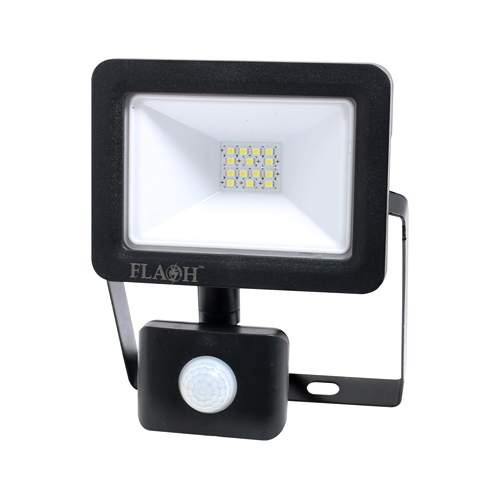
Security lighting with PIR motion sensors
-
Commercial outdoor areas such as car parks and workshops
-
Sports courts and recreational spaces
Buy LED Floodlights Online with Lite-Glo
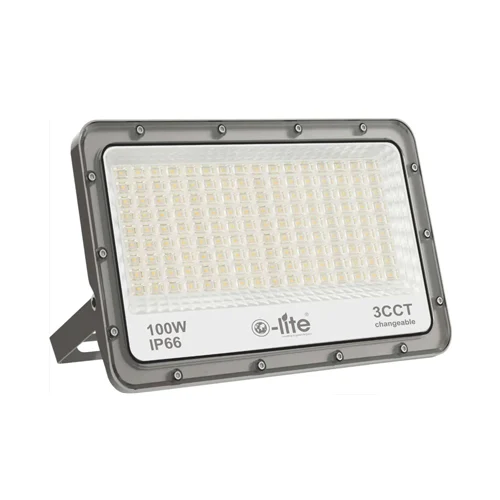
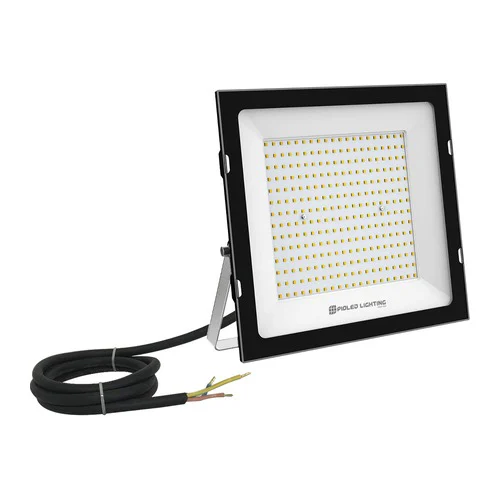
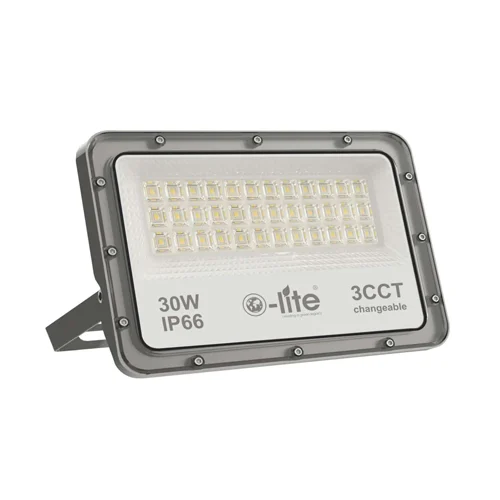
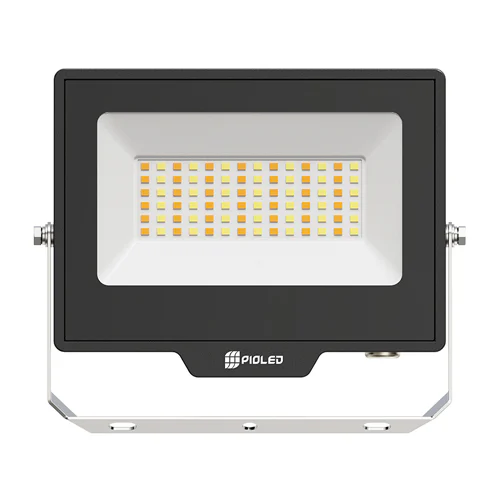
Lite-Glo stocks a wide range of LED floodlights for residential, commercial, and security use. Options include:
-
10W to 200W LED floodlights
-
Cool white and daylight colour temperatures
-
Motion sensor and standard models
-
Weather-resistant IP65-rated designs
-
Trusted South African and international brands
Halogen to LED: Which Wattage Replaces Which
The question behind most floodlight purchases. Halogen wattage tells you how much power it burns; LED wattage tells you very little unless you compare the light output. Use these pairings as a starting point and read the lumens on the box.
| Old halogen | LED replacement | Roughly the light of | Where it goes |
|---|---|---|---|
| 150W | 10W to 20W | 1,000 to 2,000 lumens | Patio, side of the house, small yard |
| 300W | 30W | 3,000 lumens | Driveway, garden, carport |
| 500W | 50W | 5,000 lumens | Perimeter wall, large yard, small sports area |
| 1,000W | 100W | 10,000 lumens | Warehouse yard, farm shed, security lighting |
The whole range, from a 10W wall light to a 200W yard light, is at LED floodlights.
What the Saving Looks Like in Kilowatt-Hours
A 500W halogen running six hours a night uses 3 kilowatt-hours a night, about 90 a month. The 50W LED that replaces it uses a tenth of that: 0.3 a night, about 9 a month. Multiply by the number of floodlights around the house and by your municipal tariff and the LED usually pays for itself inside the first few months, before it has even started outlasting the halogen it replaced.
Sensors, Ratings and the Details That Matter Outdoors
- IP rating. IP65 is the minimum for a floodlight in the open; it keeps out dust and driven rain. Under an eave IP44 will do.
- Motion sensor or dusk-to-dawn. A PIR sensor lights up for movement and saves power the rest of the night; a day-night sensor runs all night and suits a perimeter. Many fittings do both.
- Colour. Cool white or daylight for security, where you want to see clearly; warm white for a patio you sit on.
- The switch and the cable. An outdoor floodlight needs a weatherproof switch or a sensor and, for anything beyond a short run under an eave, cable in UV-rated conduit or armoured cable. See conduit and accessories.
Floodlight Questions We Get Asked
Are LED floodlights brighter than halogen?
Yes. A 30W LED floodlight can produce the same brightness as a 150W halogen.
Do LED floodlights last longer than halogen?
Yes. LEDs last 20,000–50,000 hours, compared to 2,000–5,000 hours for halogen.
Are halogen floodlights still legal in South Africa?
No. Since 2024, only efficient LED lighting products meet South African standards.
Do LED floodlights work with sensors?
Yes. Many models include PIR motion sensors or can be paired with external sensors.
What colour temperature is best for security lighting?
Cool white (4000K) or daylight (6000K) are best for maximum visibility.
Can I put an LED floodlight in my old halogen fitting?
Sometimes. LED R7s tubes exist (Philips’ 118mm CorePro replaces a 100W halogen, Ledvance’s replaces 150W), but they only stand in for the 100 to 150W tubes, are often fatter than the halogen, and most are not rated for a closed-glass fitting, so check the lamp’s length, width and closed-luminaire rating against your floodlight. For a 300 to 500W halogen floodlight the practical answer is to replace the whole fitting. LED floodlights are a complete sealed unit and are wired in the same way.
Why is my LED floodlight not as bright as the old halogen?
It was bought by wattage instead of lumens. A 10W LED is a patio light, not a 500W replacement. Check the lumens on the box against the table above.
Do LED floodlights work with a motion sensor I already have?
Usually. Some older sensors need a minimum load to switch cleanly and can flicker a very small LED. If that happens, a sensor rated for LED loads fixes it.
How long do they really last?
Twenty to fifty thousand hours on the rated life, which at six hours a night is roughly ten to twenty years. The driver usually fails before the diodes do, so buy from a brand that is still around to honour the warranty.
Related Guides
- A Simple Guide to Choosing the Right LED Globe for Your Home or Business
- Light switches, explained: 1-way vs 2-way, levers and dimmers (South African buyer’s guide)
- What Solar Panel Size Do You Need for a South African Home? (2026 Guide)
- Armoured Cable vs Surfix: Best Choice for Outdoor Installations
- What Is Armoured Cable (SWA) & What Size Do You Need in South Africa?
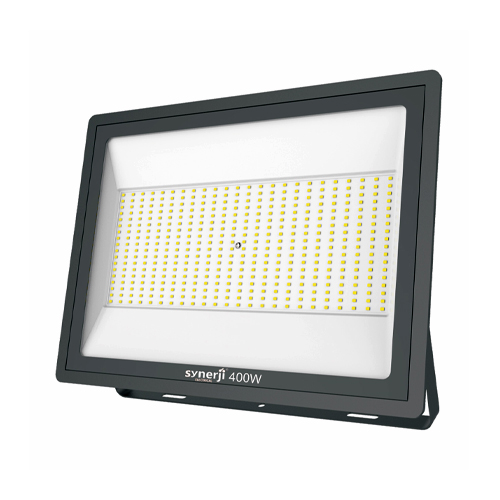
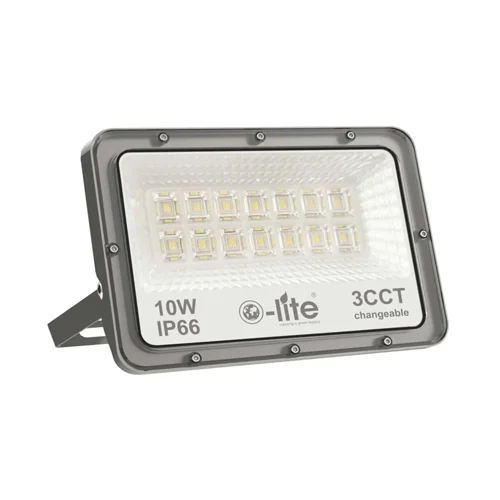
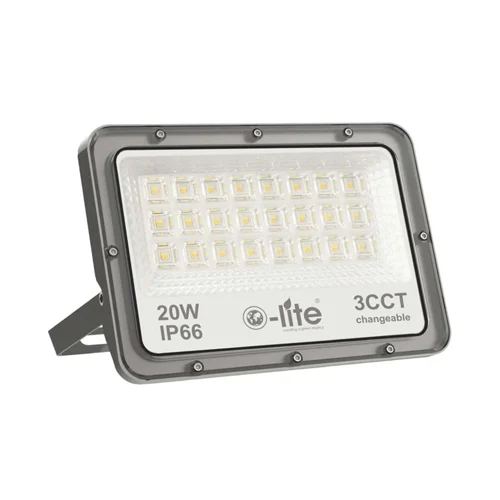
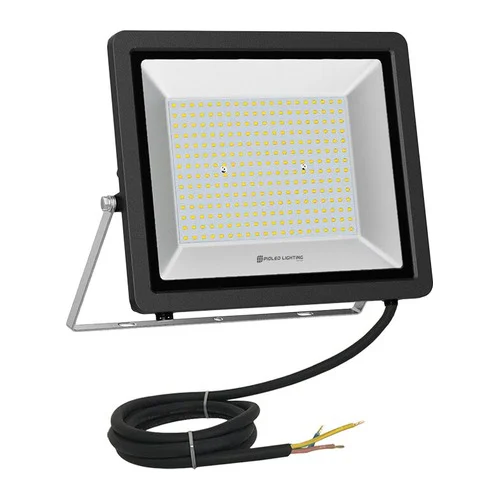
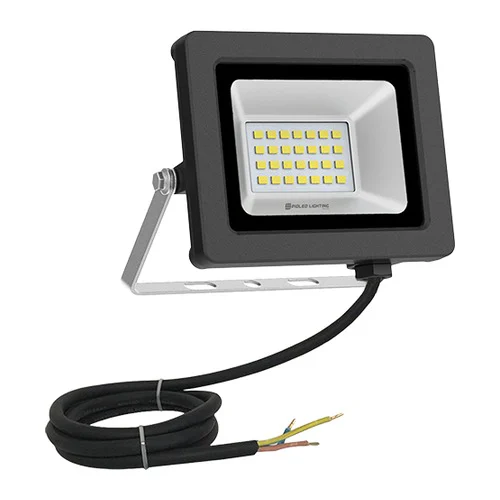
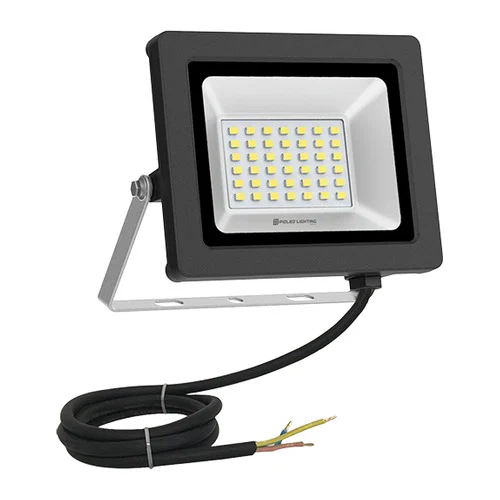
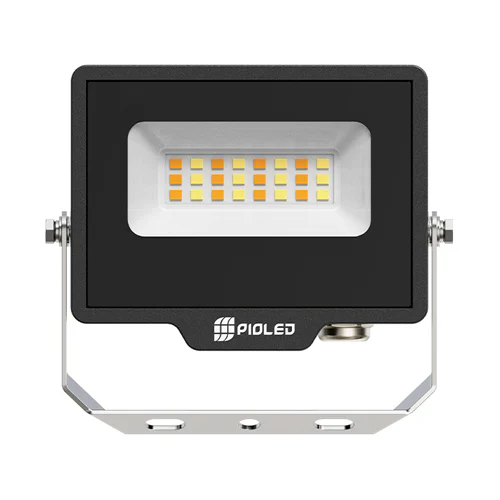
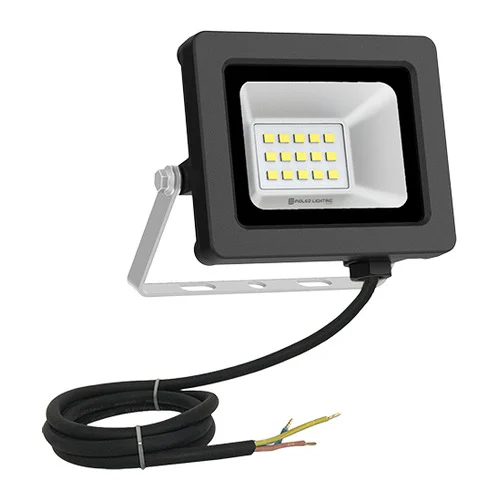
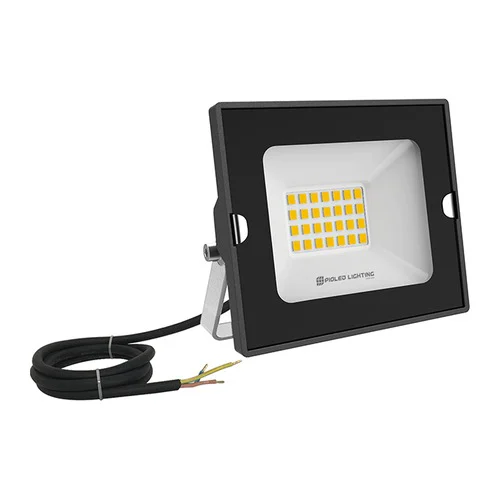
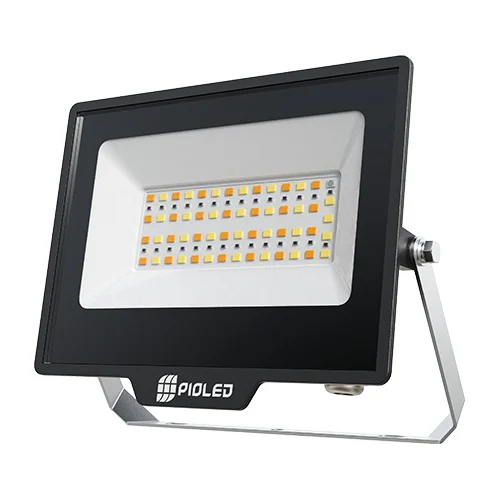
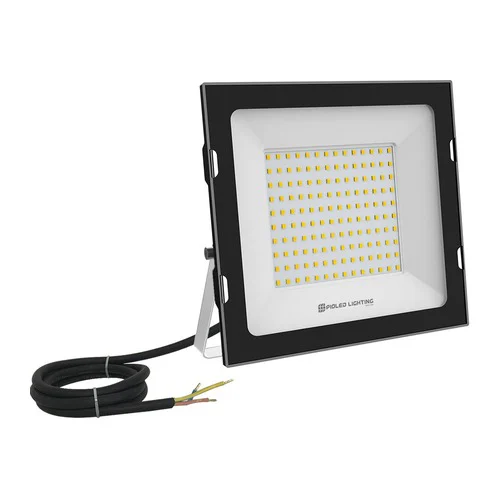
Shop LED Floodlights








⚠️ Safety & Compliance Notice
All electrical installations in South Africa must comply with SANS 10142-1 (Wiring Code) and the Occupational Health & Safety Act. Work must be carried out by a qualified, registered electrician.
This article is for general educational purposes only. It does not replace professional advice, and Lite-Glo accepts no liability for how this information is used. Always obtain a valid Certificate of Compliance (CoC) for any electrical work.
Need Assistance?
📧 [email protected]
📞 011 781 3100
💬 WhatsApp: 060 322 9674