


Prepaid Meters vs Smart Meters. What’s the Difference in South Africa?
Quick answer: A prepaid meter works like airtime: you buy a token, load it, and the power stops when the credit runs out. A smart meter records usage in real time and reports it to the supplier, and it can run prepaid or postpaid. The meter on your municipal supply is chosen by the municipality, not by you; where you do get to choose is sub-metering, when a landlord, a body corporate or a business puts a meter on a cottage, a flat or a tenant’s shop.
Why the Type of Meter Matters
In South Africa, the cost of electricity continues to rise, and load management is a daily concern. The type of electricity meter installed in your home or business plays a major role in how you monitor and pay for energy.
The two most common types are prepaid meters and smart meters. While both measure electricity usage, they work in very different ways. Understanding the difference helps you make informed decisions about energy management, compliance, and long-term savings.
What is a Prepaid Meter?
A prepaid meter works much like prepaid airtime on a mobile phone.
-
Users buy electricity tokens from retailers, banks, or online platforms
-
The token is loaded into the meter to add credit
-
The meter deducts usage as electricity is consumed
-
Power supply cuts off automatically when credit runs out
Prepaid meters are widely used across South Africa because they put users in direct control of their electricity spending.
What is a Smart Meter?
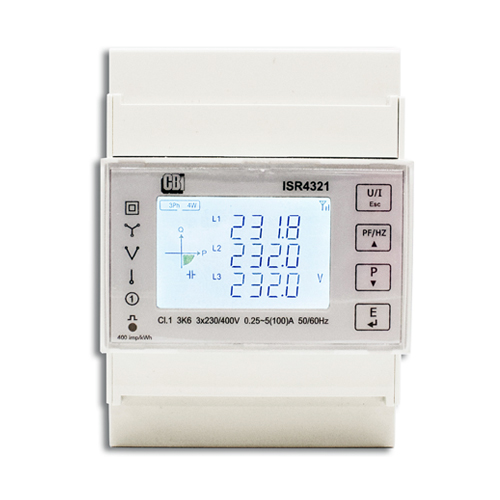
A smart meter is an advanced digital device that records electricity consumption in real time.
-
Sends usage data automatically to the utility provider
-
Provides detailed consumption insights for users
-
Can support time-of-use tariffs (cheaper electricity at off-peak times)
-
Allows remote reading, so no manual meter readings are required
Smart meters are gradually being rolled out in South Africa as part of modern grid management.
Key Differences Between Prepaid and Smart Meters
-
Payment method: Prepaid requires tokens loaded in advance; smart meters are usually billed monthly
-
Monitoring: Prepaid gives a simple credit balance; smart meters provide detailed real-time data
-
Disconnection: Prepaid cuts power when credit runs out; smart meters may allow remote disconnection for non-payment
-
Features: Prepaid meters are simple and reliable; smart meters support advanced features like time-of-use billing
-
Cost: Prepaid meters are cheaper to install; smart meters require higher upfront investment
Advantages of Prepaid Meters
-
Easy to understand and use
-
Encourages budgeting and energy-saving habits
-
No unexpected monthly bills
-
Widespread availability of token purchase options
-
Reduces the risk of debt with utility providers
Advantages of Smart Meters
-
Provides detailed consumption data for better energy management
-
Enables utilities to balance grid loads more effectively
-
Supports future technologies such as solar integration and dynamic tariffs
-
No need to buy tokens; automatic billing is convenient for some users
-
Helps detect faults or tampering quickly
Which One is Better for South Africa?
The choice depends on user needs:
-
Prepaid meters are ideal for households that want direct control over their electricity budget and prefer the simplicity of a pay-as-you-go system.
-
Smart meters are better suited for households and businesses that want advanced monitoring, integration with renewable energy, and future-ready grid features.
As South Africa modernises its electricity infrastructure, smart meters are likely to become more common. However, prepaid meters will continue to be popular due to their accessibility and affordability.
Buy Meters Online with Lite-Glo
Lite-Glo supplies a wide range of electricity meters, including prepaid meters, smart meters, and accessories for residential and commercial use. All products are compliant with South African standards and trusted by electricians across the country.
Prepaid vs Smart Meters at a Glance
| Question | Prepaid meter | Smart meter |
|---|---|---|
| How you pay | Tokens bought in advance | Monthly bill, or prepaid mode |
| What happens at zero | Power cuts off until a token is loaded | Depends on the mode and the supplier |
| Who reads it | Nobody needs to | Reports itself remotely |
| Usage detail | Credit remaining | Hour by hour, on an app or portal |
| Best for | Budget control, tenants, cottages | Time-of-use tariffs, larger properties, businesses |
The Meter You Choose and the Meter You Do Not
The meter at your gate belongs to the municipality or to Eskom. They decide whether it is prepaid or smart, and they install it. You cannot buy one and fit it to the mains supply; that is tampering, and it is a criminal matter.
Where the choice is yours is behind that meter. A granny flat, a garden cottage, a rented room, a set of flats on one supply, a tenant in a shop, a workshop on a farm: each of these is sub-metered so the person using the power pays for it. That is what the meters at an electrical wholesaler are for. A sub-meter sits in a small DB board on the tenant’s circuit, and the landlord sells tokens or reads the meter and bills.
- Prepaid sub-meters end the arguments about who owes what. The tenant buys tokens, and the landlord is never chasing a bill. See prepaid meters.
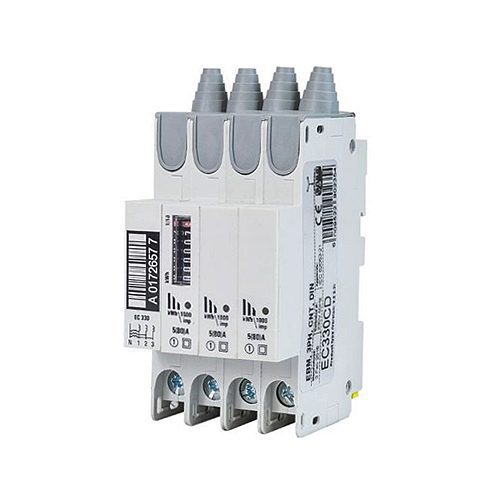
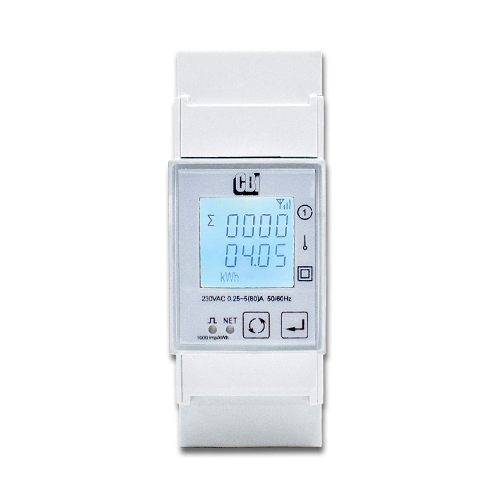
- Kilowatt-hour sub-meters simply count units on a DIN rail, for a landlord who bills monthly or a business that wants to see what a machine or a section really uses. See kilowatt-hour meters.
- The board around it. A sub-meter needs its own enclosure, a breaker and, on a residential circuit, earth leakage protection. See circuit breakers.
What a Prepaid Sub-Meter Installation Involves
- A registered electrician fits the meter in an enclosure on the tenant’s supply, between the main board and the tenant’s circuits.
- The meter is registered to the landlord’s vending account so tokens can be generated for that meter number.
- The tenant buys tokens from the landlord or through the vending platform, and loads them on the keypad.
- The installation is added to the property’s Certificate of Compliance.
Split-type meters, with the keypad in the room and the meter itself locked in the board, are the choice where tampering is a worry.
Prepaid and Smart Meter Questions We Get Asked
Can I convert from a prepaid meter to a smart meter?
Yes, but this usually requires an installation by your municipality or utility provider.
Are prepaid meters being phased out?
No. Prepaid meters remain widely used and are not being phased out in South Africa.
Do smart meters need internet?
No. They use built-in communication systems to send data to the utility provider.
Which meter is more cost-effective?
Prepaid meters are cheaper upfront, while smart meters can save money long-term through detailed monitoring and tariff options.
Can both meters be used with solar systems?
Yes, but integration is simpler with smart meters due to their advanced communication features.
Can I replace my municipal meter with a prepaid one myself?
No. The supply meter belongs to the utility. Apply to the municipality for a conversion; they fit it.
Do prepaid tokens expire?
Standard STS tokens are generated for a specific meter and must be loaded within a set period, but credit already loaded does not expire. Check the vending platform’s terms for the token window.
Is a smart meter more expensive to run?
The meter itself does not change the tariff. What changes is the information: on a time-of-use tariff a smart meter lets you shift the geyser and the pool pump to cheaper hours, which is where the saving comes from.
Can a sub-meter be used to charge a tenant more than the municipal rate?
Municipal by-laws and rental law limit what a landlord may recover. Read the by-law for your municipality before setting a tariff on a sub-meter.
Related Guides
- Earth Leakage vs Circuit Breaker: Do You Need Both?
- MCB vs MCCB: What’s the Difference?
- Buying from an electrical wholesaler: how trade accounts, pricing tiers and bulk buying work in South Africa
- Best Electric Heaters for a South African Winter (2026): Cheapest to Run
- What Solar Panel Size Do You Need for a South African Home? (2026 Guide)


Shop Energy Meters





⚠️ Safety & Compliance Notice
All electrical installations in South Africa must comply with SANS 10142-1 (Wiring Code) and the Occupational Health & Safety Act. Work must be carried out by a qualified, registered electrician.
This article is for general educational purposes only. It does not replace professional advice, and Lite-Glo accepts no liability for how this information is used. Always obtain a valid Certificate of Compliance (CoC) for any electrical work.
Need Assistance?
📧 [email protected]
📞 011 781 3100
💬 WhatsApp: 060 322 9674