

The cheapest electric heaters to run in South Africa (2026)
Quick answer: The cheapest electric heater to run in South Africa is a low-wattage wall panel heater (≈450–500W) on a thermostat, roughly R1.35–R2.25 an hour at today’s electricity prices. A 2000W fan or tower heater warms a room fastest but costs the most to run, around R6–R9 an hour. For most SA homes the smart play is a panel heater in the rooms you sit in, and a fast 2000W heater only for a quick warm-up.
Lower wattage means lower running cost, it really is that simple. Every electric heater turns electricity straight into heat, so a 450W heater uses roughly a quarter of the power of a 2000W one and costs about a quarter as much to run for the same time. The trade-off is speed and reach: low-wattage panel heaters are cheapest but heat gently and suit smaller, well-insulated rooms, while high-wattage fan and tower heaters warm a big lounge fast but pull far more from your meter. Below is exactly what each costs, in real rands.
Heater running costs in rands, the real numbers
Here’s the honest, calculator-in-hand answer. South African electricity now sits at roughly R3.00 to R4.50 per kWh (a 2026/27 illustration: Eskom Homepower is about R3.56 all-in, Johannesburg prepaid runs R2.72 to R4.13 depending on the block, Cape Town domestic R4.14 to R4.94 including VAT) for most households after the 2026 tariff increases, depending on your municipality and tariff block. The running cost per hour is simply the heater’s wattage (in kW) multiplied by your rate per kWh.
| Heater wattage | Cost/hour @ R3.00 | Cost/hour @ R3.30 | Cost/hour @ R4.50 | ~Monthly (4 hrs/day @ R3.30) |
|---|---|---|---|---|
| 450W wall panel | R1.35 | R1.48 | R2.02 | ~R178 |
| 500W panel | R1.50 | R1.65 | R2.25 | ~R198 |
| 1000W panel | R3.00 | R3.30 | R4.50 | ~R396 |
| 1500W oil/ceramic | R4.50 | R4.95 | R6.75 | ~R594 |
| 2000W fan/tower | R6.00 | R6.60 | R9.00 | ~R792 |
The gap is the whole story: leave a 2000W heater running all evening and it can add R700 to R1,100 a month (2kW for four hours a night at R3.00 to R4.50 per kWh) to your bill versus a thermostat-controlled panel heater doing the same job in a smaller room. The wattage on the box is the single biggest lever on your winter electricity cost.
Panel vs Fan vs Oil Heater: which is best for your home?
The best heater depends on the room and how long you’ll run it. Panel heaters win on running cost and silence; fan heaters win on speed; oil heaters win on steady, lingering warmth. Here’s how the three main types compare for a South African home.
Wall Panel Heaters, cheapest to run, best for everyday rooms
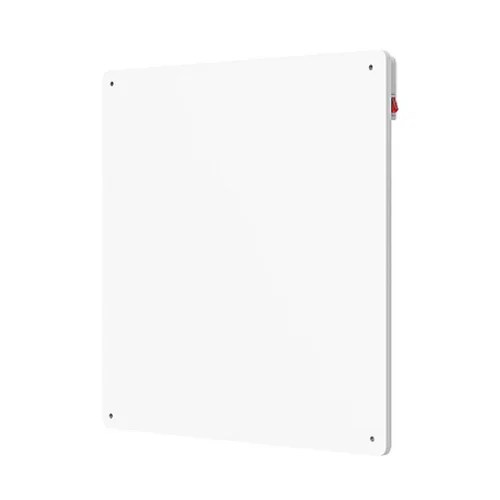
Low-wattage convection panel heaters (typically 400W–1000W) are the cheapest electric heaters to run and the safest to leave on for hours. They mount on the wall, run silently, have no exposed glowing element, and many include a thermostat that cycles the heater off once the room is warm, so you’re not paying for full power the whole time. They’re ideal for bedrooms, bathrooms, studies and small lounges. The catch: they heat gently, so they suit insulated rooms with the door closed rather than big, draughty open-plan spaces. Browse our wall & bathroom panel heaters to see the range.
Fan & Tower Heaters, fastest warm-up, highest running cost
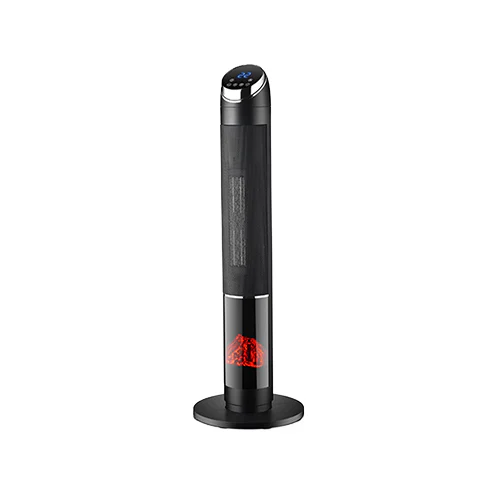
Fan-forced and ceramic tower heaters (usually 1500W–2000W) blast warm air across a room in minutes, which makes them perfect for a quick warm-up in a cold lounge. The downside is cost and noise: at 2000W you’re spending up to R9 an hour, and the fan hums. Use them in short bursts rather than all evening. A modern ceramic PTC tower like the RADIANT RHE21 2000W tower ceramic heater adds oscillation, a timer and a thermostat so you get the speed without leaving it on full tilt.
Oil-Column Heaters, steady, lingering warmth
Oil-filled column heaters heat internal oil that radiates warmth after the element cycles off, so they feel steady over a long evening and are silent, with no exposed glowing element (the casing still gets hot, so keep small children clear). They’re a solid middle ground, slower to warm up than a fan heater but cheaper to keep running once the room is warm. They suit bedrooms and lounges where you want gentle heat for hours rather than an instant blast.
Best electric heaters room by room
Match the heater to the room and you’ll be warm without wrecking your bill. Here are our picks from the Lite-Glo range.
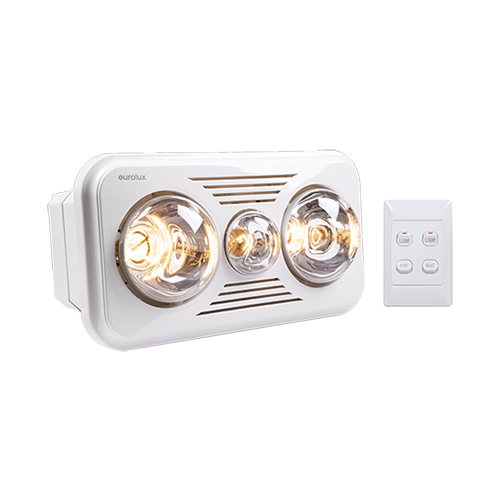
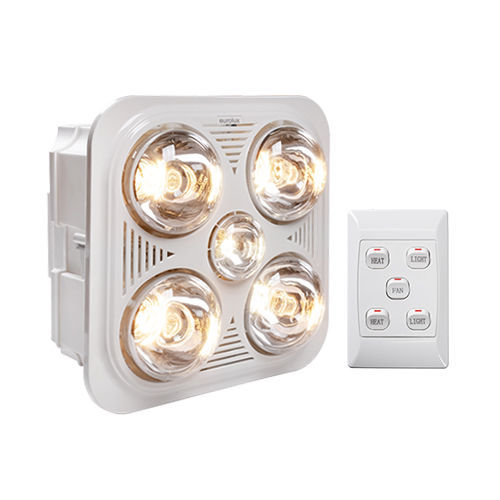
- Bathroom: a sealed, splash-safe panel is non-negotiable. The WACO 1000W bathroom panel heater with LED and the Eurolux C86W 3-in-1 bathroom heater are built for damp rooms and mount safely out of reach.
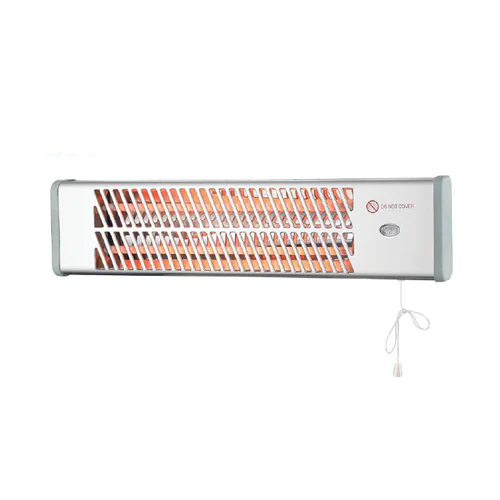
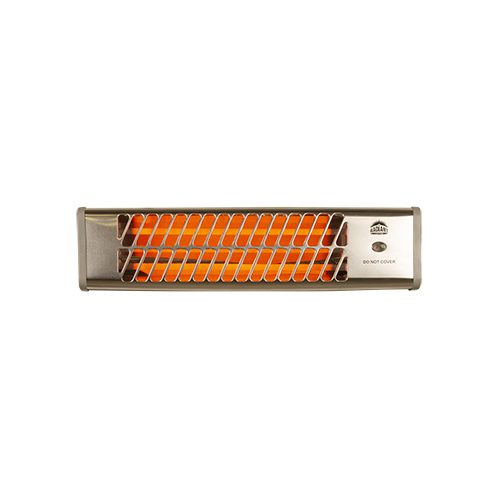
- Bedroom: low wattage and silent. A RADIANT RHE8 2×600W wall-mounted heater or the budget-friendly Synerji SYHE01 2×600W wall heater keeps a bedroom cosy without the fan noise.
- Lounge / open-plan: you need reach and speed. The RADIANT RHE21 2000W tower ceramic heater warms a big space fast, then its thermostat backs off the power.
- Study / small room: the lowest-cost option you can leave on. The WACO 450W wall panel heater sips power at around R1.35–R2.02 an hour and runs silently all day.
- Big living areas on a budget: the RADIANT RHE9 3×500W wall heater and Synerji SYHE02 3×500W wall heater give you three power settings so you can dial heat up or down to suit your budget.


Heaters and backup power: the reality
Electric heaters draw real power, so they only work when the grid (or your backup) is on, and most home inverters and small batteries can’t carry a 2000W heater for long. During a power cut, a 2000W fan heater would flatten a typical 1–2kWh home battery in well under an hour, so heating is usually the first thing you should drop from your backup load. The practical winter plan: warm the room before your slot starts, choose low-wattage panel heaters (450–1000W) that a larger inverter can actually sustain, and lean on no-power warmth, a closed door, curtains drawn, a good throw and a hot-water bottle, to hold the heat through the dark. Keep a charged WACO rechargeable lantern handy so a cold evening doesn’t also become a dark one.
Electric Heater Safety: The rules that prevent winter fires
The golden rule is to plug a heater straight into a wall socket, never into a multiplug, extension lead or adaptor. Heaters draw a heavy, sustained current, and multiplugs and cheap extension cords overheat at the plug, which is a leading cause of South African winter house fires. Follow these every time:
- Wall socket only. No multiplugs, no extension leads, no double adaptors, plug the heater directly into its own wall outlet.
- Keep a metre clear. Curtains, bedding, washing and furniture must stay at least a metre from any heater.
- Never leave it unattended overnight or when you leave the house. Choose a model with tip-over and overheat cut-out protection.
- Bathrooms need bathroom-rated heaters, sealed, wall-mounted units installed out of reach of water, not a portable plug-in heater.
- Get fixed heaters wired by a registered electrician to SANS 10142, the South African wiring standard. Hard-wired wall and bathroom heaters are not a DIY job, a Certificate of Compliance protects your home and your insurance.
How to cut your winter heating bill
Heat the person and the room, not the whole house. A few habits slash the cost: use a thermostat or timer so the heater isn’t running at full power once the room is warm; close the door and draw the curtains to trap heat; only heat the room you’re actually in; layer up with a throw so you can run the heater on a lower setting; and switch off at the wall when you leave. Pairing a low-wattage panel heater with these habits is how SA households cut more than R1,000 a month off winter electricity.
Frequently asked questions
What is the cheapest electric heater to run in South Africa?
A low-wattage wall panel heater of around 450–500W on a thermostat is the cheapest to run, costing roughly R1.35–R2.25 an hour at 2026 electricity prices. Because it draws so little power and cycles off once the room is warm, its monthly cost can be a quarter of a 2000W fan heater’s.
How much does it cost to run a 2000W heater per hour in South Africa?
A 2000W heater uses 2 units (kWh) per hour, so at R3.00–R4.50 per kWh it costs about R6.00 to R9.00 an hour to run. Used four hours a night, every night for a month, that is about 240 units, or roughly R720–R1,080 on your monthly electricity bill, which is why it’s best used in short bursts.
Which is cheaper to run, a panel heater or a fan heater?
A panel heater is far cheaper to run because it uses much less power. A 450–1000W panel heater costs roughly R1.35–R4.50 an hour, while a 2000W fan heater costs R6–R9 an hour. Fan heaters warm a room faster, but for long evenings a thermostat-controlled panel heater wins on cost.
Are oil heaters cheaper to run than fan heaters?
At the same wattage they use the same amount of electricity, so a 2000W oil heater and a 2000W fan heater cost the same per hour. Any saving comes from the thermostat, not the oil: a heater that cycles off once the room is warm uses less than one left at full power, whichever type it is. Oil heaters do hold their heat between cycles and run silently.
Can I run an electric heater off a home battery?
Only if you have backup power that can handle it, which most small home batteries cannot. A 2000W heater would drain a typical home battery in under an hour. The better approach is to warm the room before your slot, use a low-wattage panel heater on a larger inverter, and rely on insulation, curtains and blankets to hold the heat.
Is it safe to plug a heater into a multiplug or extension cord?
No. Heaters draw a heavy, continuous current that overheats multiplugs and extension leads, a common cause of winter house fires in South Africa. Always plug a heater directly into a wall socket, and have fixed wall or bathroom heaters installed by a registered electrician to SANS 10142.
What wattage heater do I need for my room?
As a rough guide, allow about 100W per square metre of well-insulated floor space. A small bedroom or study (≈8–10m²) is comfortable with a 400–1000W panel heater, while a large open-plan lounge usually needs a 2000W tower or fan heater to warm up quickly. Insulation, ceiling height and draughts all shift this, so size up for cold, leaky rooms.
Stay warm this winter, shop the Lite-Glo heater range
Whether you want the cheapest panel heater to run all day or a fast 2000W tower for the lounge, Lite-Glo has been South Africa’s trusted electrical & lighting wholesaler since 1984. Browse the full wall & bathroom heater range, compare real specs and prices, and shop online at www.liteglo.co.za with fast nationwide delivery for homeowners, contractors and electricians.
Related Guides
- Prepaid Meters vs Smart Meters: What’s the Difference in South Africa?
- What Solar Panel Size Do You Need for a South African Home? (2026 Guide)
- A Simple Guide to Choosing the Right LED Globe for Your Home or Business
- Geyser not heating? Element vs thermostat: how to tell which one died (South African guide)
⚠️ Safety & Compliance Notice
All electrical installations in South Africa must comply with SANS 10142-1 (Wiring Code) and the Occupational Health & Safety Act. Work must be carried out by a qualified, registered electrician. This article is for general educational purposes only. It does not replace professional advice, and Lite-Glo accepts no liability for how this information is used. Always obtain a valid Certificate of Compliance (CoC) for any electrical work.
Need Assistance?
📞 011 781 3100
💬 WhatsApp: 060 322 9674