


Light switches, explained: 1-way vs 2-way, levers and dimmers (South African buyer’s guide)
Quick answer: A 1-way switch controls a light from one place and is right for most rooms. A 2-way switch lets two switches control the same light, which is what you want for a staircase, a passage or a bedroom with a switch at the door and one by the bed. Count the lights you want to control from that spot to pick the number of levers, buy 2-way if in doubt because it also works as 1-way, and use only dimmable LEDs on a dimmer.
Every room in the house has one, and almost nobody thinks about them until they’re renovating or a lever breaks. Here’s the plain-English guide to choosing light switches in South Africa, what the jargon means, which brands to trust, and how to buy the right one first time.
The jargon, decoded
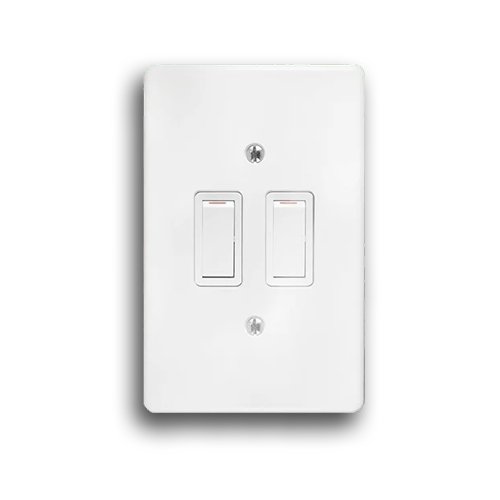
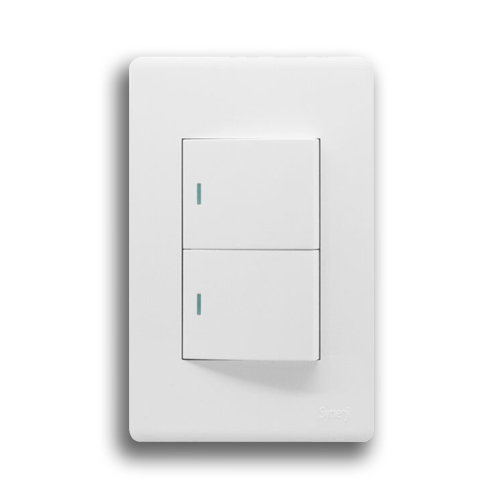
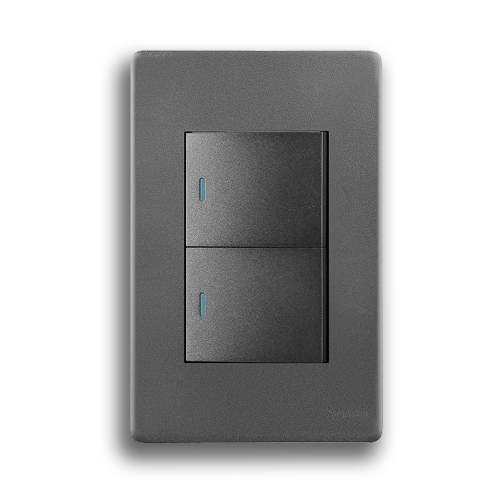
- Lever, the part you press. A “2 lever” switch controls two separate lights from one plate.
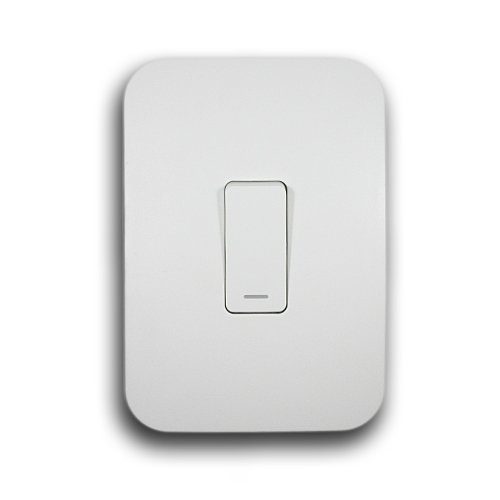
- 1-way, one switch controls the light. The standard for most rooms.
- 2-way, TWO switches control the same light (top and bottom of a staircase, both ends of a passage, bedroom door + bedside). If you’ve ever wished you could turn the passage light off from the other end, you want 2-way.
- 2×4 / 4×4, the wall-box size. 2×4 (100x50mm) is the common vertical plate; 4×4 (100x100mm) is the square plate used where more levers live together.
How many levers?
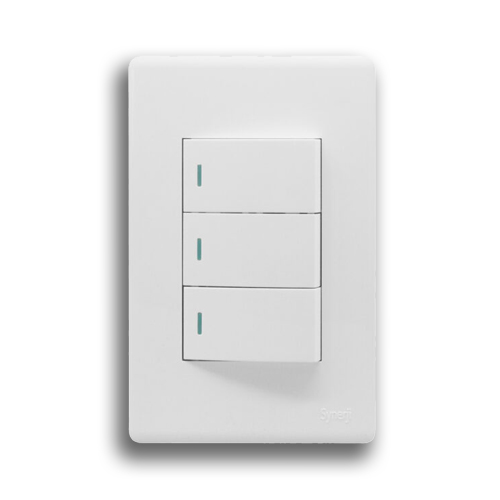
Count the lights you want to control from that spot. Kitchen with main light + under-counter lighting = 2 levers. Open-plan living with three zones = 3 levers. Buy a plate with a spare lever if you’re planning to add lights later, it’s cheaper than rewiring the plate.
1-way or 2-way?
Passages, staircases and large bedrooms deserve 2-way switching, it needs an extra wire between the two switch points, so it’s easiest to spec during a renovation or new build. Everywhere else, 1-way does the job. (A 2-way switch also works fine as a 1-way, so when in doubt, buy 2-way.)
Dimmers
A dimmer module replaces one lever and gives you mood control, just make sure your bulbs are DIMMABLE LEDs. Ordinary LEDs flicker or buzz on a dimmer. Check the box: it must say dimmable.
The brands South Africans trust
At Lite-Glo we stock the ranges electricians actually fit:
- CRABTREE , the fit-and-forget standard in most SA homes.
- MAJOR-TECH , modern flat plates, great value.
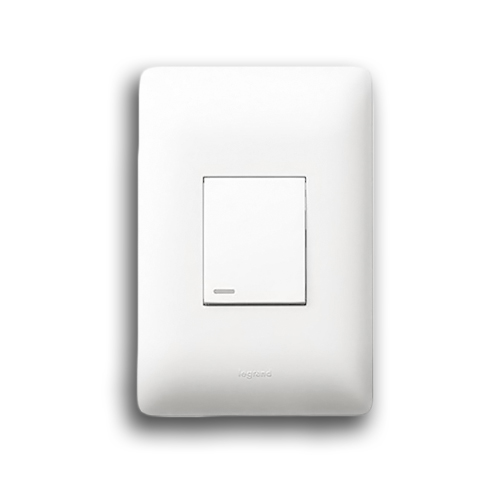
- LEGRAND , the premium look for designer interiors.
- ONESTO , quality on a budget, ideal for rentals and developments.
- CBI, the big square 4×4 multi-lever plates and dimmer modules.
White is standard; most ranges also come in silver, charcoal and brushed finishes if the wall deserves better.
Replacing a switch yourself?
Swapping a like-for-like switch plate is one of the simpler DIY jobs, but the wiring behind it must stay compliant, and anything beyond a straight swap (new 2-way runs, new circuits) is an electrician’s job and needs to be reflected on your CoC. When in doubt, get a professional in; it’s a quick job for them.
Buy it online, per switch
Every switch, lever plate and dimmer above is on liteglo.co.za, real stock, delivered to your door anywhere in SA, or click-and-collect from our counter. Trade accounts see trade prices the moment they sign in.
Browse the full switches & sockets range at www.liteglo.co.za, and if you’re not sure which plate fits your wall box, send our team a photo; sizing advice is what we do all day.
1-Way vs 2-Way Switch at a Glance
| Question | 1-way | 2-way |
|---|---|---|
| Switch points for one light | One | Two |
| Where it belongs | Most rooms | Stairs, passages, big bedrooms, garages with two doors |
| Extra wiring | None | A strapper cable between the two switch points |
| Can it do the other job? | No | Yes, a 2-way works as a 1-way |
| Price difference | Cheapest | A few rand more |
How 2-Way Switching Works, in Plain Words
With one switch, the live wire runs through the switch to the light: closed is on, open is off. With two switches, the two are joined by a pair of wires, called strappers, and each switch flips which of the pair carries the live. Either switch can complete or break the path, so either can turn the light on or off regardless of what the other is set to. That extra pair of wires is why 2-way switching is easy to add during a build or a rewire and awkward to retrofit into a finished wall. If the wall is already closed, ask your electrician about a wireless 2-way kit before chasing plaster.
Which Switch for Which Room
- Passage or staircase: 2-way, one lever at each end.
- Main bedroom: 2-way, one lever at the door and one by the bed.
- Kitchen: 2 or 3 levers, 1-way, for the main light, the under-counter strip and the extractor.
- Open-plan living: 3 or 4 levers on a 4×4 plate, one per zone, and a dimmer module on the zone you sit in most.
- Bathroom: the switch goes outside the door or high on the wall; ask the electrician about the wet-zone rules.
- Outdoors and garages: a weatherproof switch, not an indoor plate.
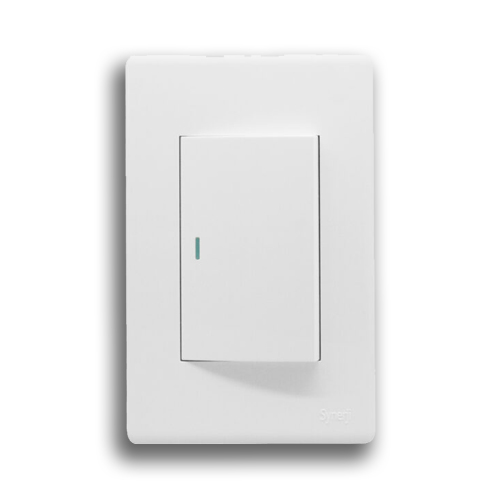
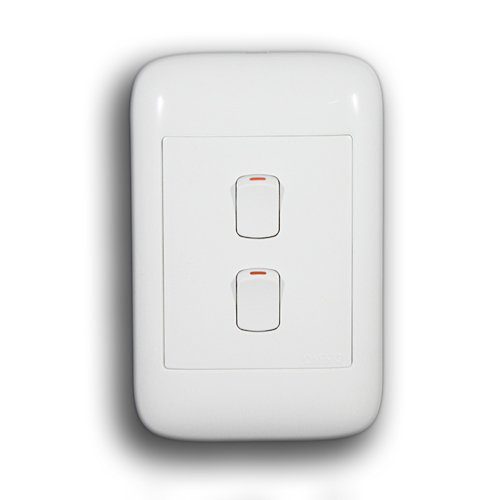
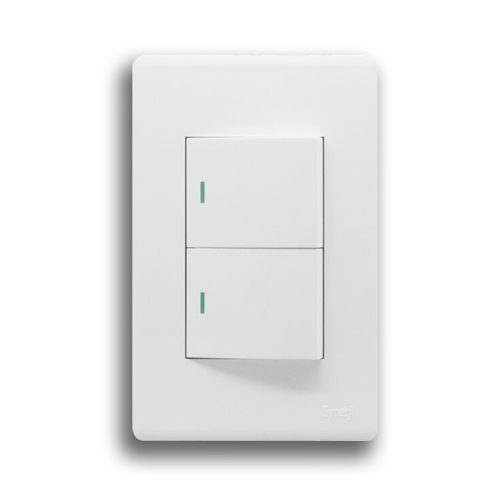
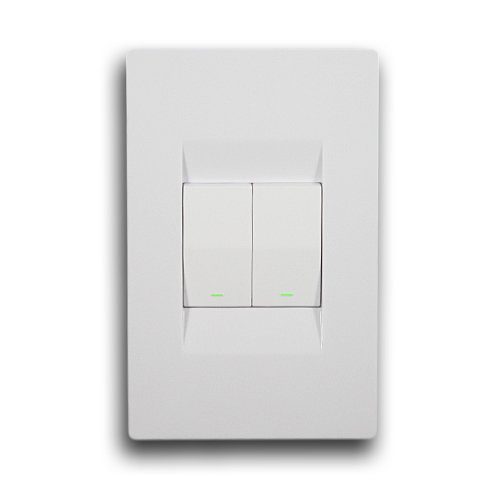
The full range of levers, plates and modules is at light switches, and the boxes that sit behind them at wall boxes.
More Questions We Get Asked
Why does my dimmer buzz or flicker?
The bulb is not dimmable, or the dimmer is a trailing-edge or leading-edge type that does not suit that bulb. Swap in dimmable LEDs first; if it still flickers, match the dimmer to the LED type.
Can I swap a 1-way switch for a 2-way myself?
Swapping the plate is a small job; adding the second switch point is not, because it needs the strapper cable run between the two boxes. That is electrician work and it needs a Certificate of Compliance if the circuit is altered.
What is a 3-way switch?
In South Africa that usually means a 2-way circuit with an intermediate switch added in the middle, so three points control one light. Long passages and large open-plan spaces use it.
Do the brands fit each other’s boxes?
Plates follow the 2×4 and 4×4 box sizes, so a Crabtree plate fits a box that held a Major Tech plate. What does not swap is the lever module between brands, so buy the plate and its modules from one range.
Shop Light Switches















Related Guides
- A Simple Guide to Choosing the Right LED Globe for Your Home or Business
- 2.5mm Twin & Earth: the cable that wires most South African homes (buyer’s guide)
- 1.5mm² vs 2.5mm² Cable: What’s the Difference and When to Use Each?
- Where to Buy Legrand in South Africa: The Official Distributor Guide
- Power skirting, explained: hiding plugs, power and data cables in offices and clinics (South African buyer’s guide)
⚠️ Safety & Compliance Notice
All electrical installations in South Africa must comply with SANS 10142-1 (Wiring Code) and the Occupational Health & Safety Act. Work must be carried out by a qualified, registered electrician. This article is for general educational purposes only. It does not replace professional advice, and Lite-Glo accepts no liability for how this information is used. Always obtain a valid Certificate of Compliance (CoC) for any electrical work.
Need Assistance?
📧 [email protected]
📞 011 781 3100
💬 WhatsApp: 060 322 9674