


1.5mm² vs 2.5mm² Cable. What’s the Difference and When to Use Each?
Quick answer: 1.5mm² cable is the lighting cable, usually on a 10A breaker (SANS 10142-1 allows up to 16A on 1.5mm²). 2.5mm² cable is the plug-circuit cable, usually on a 20A breaker (the standard allows up to 25A), and it is the size in almost every wall in South Africa. The thicker copper carries more current without heating up. Use 1.5mm² on a plug circuit and the cable runs hot; use 2.5mm² on a light and you have spent money for nothing. Long runs go up a size to hold the voltage.
Why Choosing the Right Cable Size Matters
Cable size is one of the most important considerations in any electrical installation. In South Africa, using the wrong size can lead to overheating, nuisance tripping, or even fire hazards. It can also result in a failed inspection under SANS 10142-1, and an insurer may repudiate a fire claim where the installation was non-compliant.
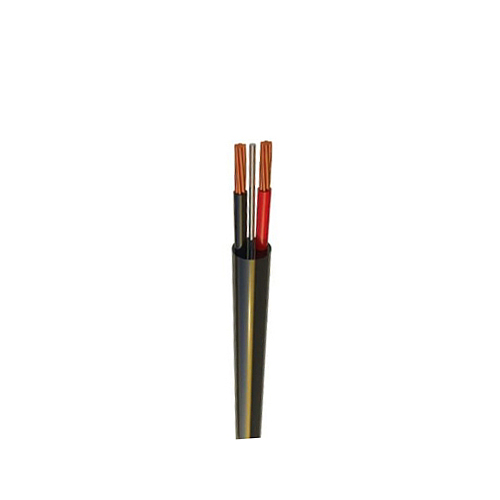
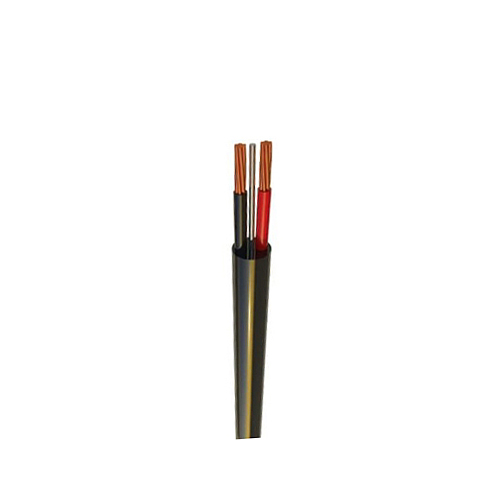
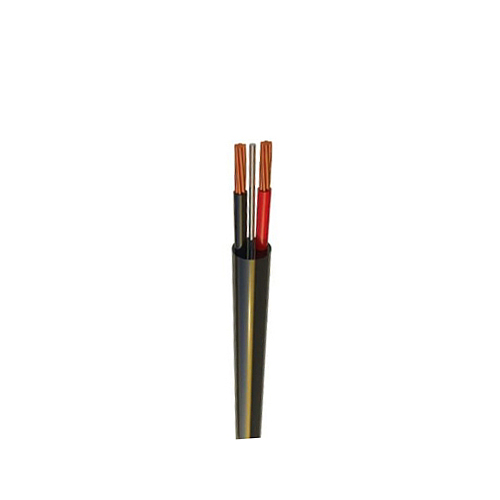
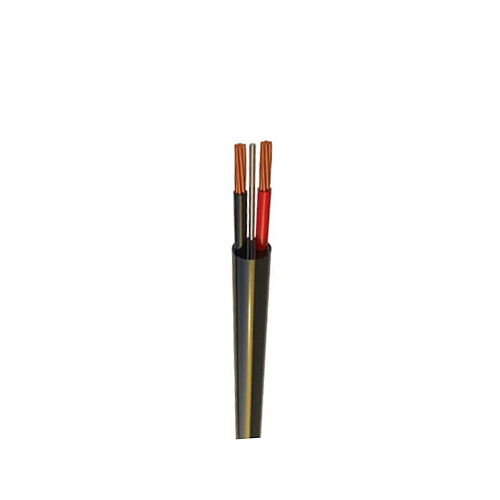
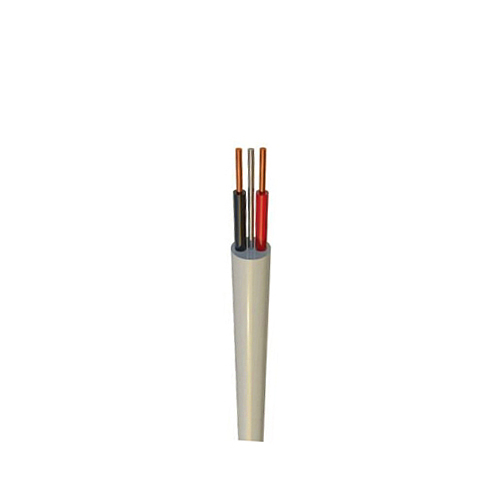
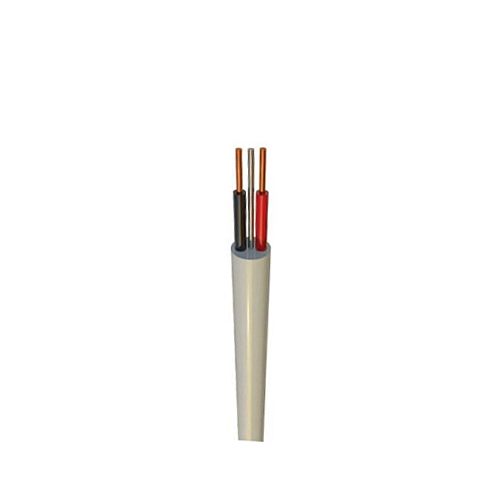
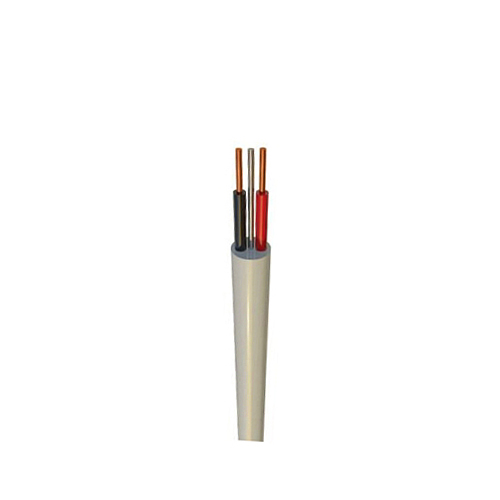
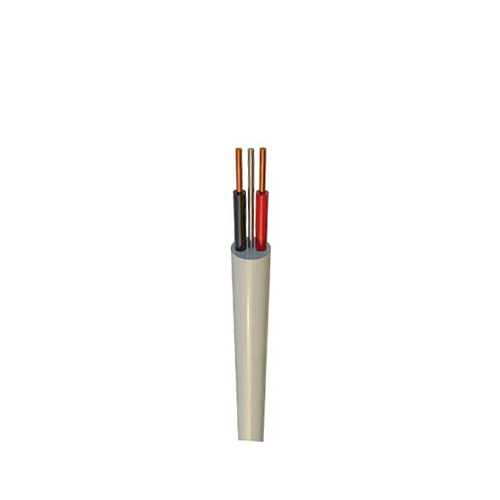
Two of the most commonly used fixed wiring sizes are 1.5mm² Surfix and 2.5mm² Surfix. Both are solid-core, rigid cables designed for fixed wiring, but they serve very different purposes.
What is 1.5mm² Cable Used For?
1.5mm² Surfix is generally used for low-current applications where the load is smaller and demand is predictable. Common uses include:
-
Ceiling lights, chandeliers, and LED downlights
-
Wall-mounted light switches and control circuits
-
Certain low-wattage appliances (only when confirmed by an electrician)
Because lighting circuits typically carry less current, 1.5mm² cable is sufficient when installed correctly.
What is 2.5mm² Cable Used For?
2.5mm² Surfix is a heavier-duty cable designed for higher-current circuits. It is most often used in:
-
Plug circuits in homes and offices
-
Socket outlets for kettles, fridges, TVs, and computers
-
Small appliances and power tools
-
Extension of general-purpose outlet circuits
-
Moderate fixed appliances (depending on current draw)
By using 2.5mm² cable, these circuits can safely handle higher loads, preventing overheating and ensuring compliance with regulations.
Key Differences Between 1.5mm² and 2.5mm² Cable
-
Current capacity: 2.5mm² can handle significantly more current than 1.5mm²
-
Applications: 1.5mm² is typically for lighting; 2.5mm² is for plugs and outlets
-
Flexibility: Both are solid-core and rigid, but 1.5mm² is easier to route
-
Cost: 2.5mm² is slightly more expensive due to its higher copper content
-
Compliance: Using the wrong size may result in a failed inspection under SANS 10142
Real-World Examples
Example 1: Lighting Circuit in a House
A typical lounge with 8–10 LED downlights can be safely wired using 1.5mm² Surfix cable on a 10A circuit breaker. Using 2.5mm² in this case would be unnecessary.
Example 2: Plug Circuit in a Kitchen
A kitchen plug circuit feeding appliances such as kettles, toasters, and fridges must use 2.5mm² Surfix with a 20A breaker. Using 1.5mm² here would be dangerous and non-compliant.
Example 3: Long Cable Runs
If lights are far from the DB board, an electrician may upsize to 2.5mm² to reduce voltage drop, even though the load is small.
Which Cable Should You Use?
-
For lighting circuits → 1.5mm² Surfix is the standard choice
-
For plug circuits → 2.5mm² Surfix is required
-
For appliances → Always check the current draw and confirm with a registered electrician
Never substitute one for the other without professional approval. Using the wrong size may result in safety risks and non-compliance with SANS regulations.
Common Mistakes to Avoid
-
Using 1.5mm² cable on plug circuits
-
Mixing different cable sizes in the same circuit
-
Running long distances without accounting for voltage drop
-
Oversizing cables without need, adding unnecessary cost
-
DIY wiring without a Certificate of Compliance (CoC)
Buy Surfix Cable Online with Lite-Glo
Lite-Glo stocks a full range of Surfix cable in 1.5mm², 2.5mm², and larger sizes, available by the metre or in full rolls. Whether you are wiring lighting circuits, plug circuits, or appliances, we supply quality cable that complies with South African regulations.
1.5mm² vs 2.5mm² at a Glance
| Question | 1.5mm² | 2.5mm² |
|---|---|---|
| Circuit | Lighting | Plug sockets |
| Breaker | 10A | 20A |
| Typical load | A room of LED downlights | Kettle, fridge, heater, tools |
| Comes as | Surfix or flat twin and earth | Surfix or flat twin and earth |
| Sold | Per metre or 100m roll | Per metre or 100m roll |
What Actually Happens When the Size Is Wrong
- 1.5mm² on a plug circuit. A kettle and a heater on the same circuit pull close to the 20A the breaker allows, but the cable was only ever rated for a 10A circuit. It heats up inside the wall where nobody can see it, the insulation ages fast, and the fault shows up years later as a burnt socket or worse. Inspections fail on this constantly.
- 2.5mm² on a lighting circuit. Nothing dangerous happens. You have paid for copper you do not need, and the thicker cable is harder to terminate in small lighting boxes. Some electricians do it deliberately on long lighting runs to reduce voltage drop, which is the one good reason.
- The breaker that does not match the cable. This is the real hazard. A 20A breaker on 1.5mm² cable protects nothing; the cable can burn before the breaker trips. The breaker is chosen for the cable, never for the appliance. The full range of ratings is at circuit breakers.
Long Runs: When 2.5mm² Is Not Enough Either
Cable has resistance, and over a long run it drops voltage before the load. Both sizes, and the 4mm² and 6mm² that long runs call for, are cut to length at Surfix per metre. A plug point at the end of a 40 metre run to a garden cottage on 2.5mm² can sit several volts below the board, which shows up as a kettle that takes forever and tools that run weak. Past about 30 to 40 metres an electrician will often specify 4mm² for a plug circuit, and for a sub-board feed to an outbuilding the sizing starts at 6mm² and goes up with distance. The rule of thumb: when the run is long, size for the far end, not the near one.
Cable Size Questions We Get Asked
Can I use 1.5mm² cable for plugs?
No. Plug circuits require 2.5mm² Surfix for safety and compliance.
Is 2.5mm² cable required for all circuits?
No. 1.5mm² is acceptable for lighting. 2.5mm² is required for plugs.
Which is cheaper, 1.5mm² or 2.5mm²?
1.5mm² is cheaper, but using it incorrectly can lead to costly mistakes and failed inspections.
Does SANS 10142 specify cable sizes?
Yes. SANS 10142 outlines the correct cable sizes for lighting, plugs, and appliances to ensure safety.
Can I mix 1.5mm² and 2.5mm² in one installation?
Not in the same circuit. Each circuit must use one size consistently.
What happens if I use the wrong size cable?
At best, the circuit will trip constantly. At worst, the cable can overheat and cause fire.
Do I need a qualified electrician to install cable?
Yes. Only registered electricians may legally perform electrical work in South Africa.
Can I use 1.5mm² for a single plug that only runs a lamp?
No. A socket is a socket; the next person will plug a heater into it. Plug circuits are 2.5mm² regardless of what is plugged in today.
Can I join 1.5mm² and 2.5mm² in one circuit?
The circuit is only as strong as its thinnest cable, so a 1.5mm² section in a plug circuit makes the whole circuit a 1.5mm² circuit. Do not mix sizes within a circuit.
Is 2.5mm² enough for a geyser?
No. A geyser starts at 4mm² on its own circuit. Our geyser cable guide covers the sizes.
How do I know which size is in my wall?
The size is printed on the sheath every metre. Open a socket, look at the cable, and read it. If the print has worn off, a 2.5mm² conductor is visibly thicker than a 1.5mm², about the thickness of a paperclip wire against a thinner one.
Related Guides
- 2.5mm Twin & Earth: the cable that wires most South African homes (buyer’s guide)
- Surfix vs Flat Twin & Earth: Which Cable is Right for SA Homes?
- What Cable Size Do You Need for a Stove in South Africa?
- What Cable Size Do You Need for a Geyser in South African Guide
- Earth Leakage vs Circuit Breaker: Do You Need Both?
Shop Surfix Cable – Per Meter
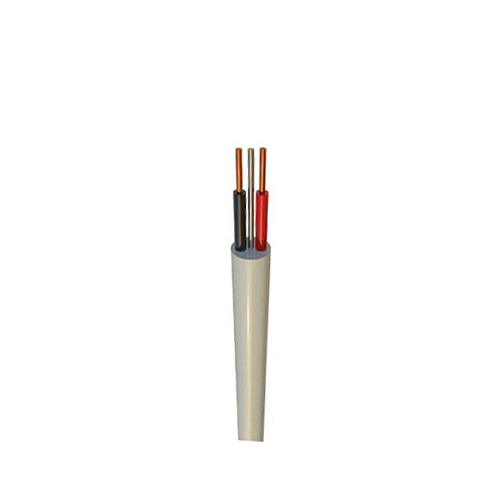

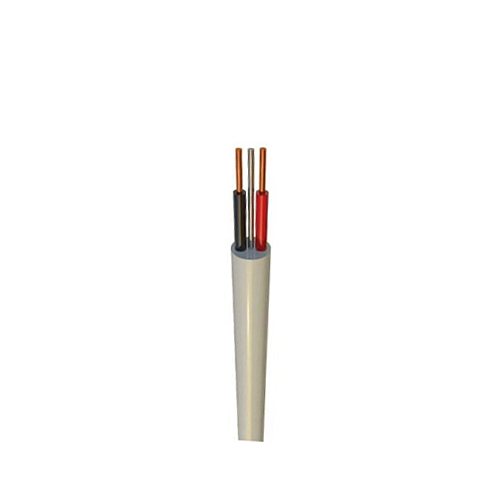
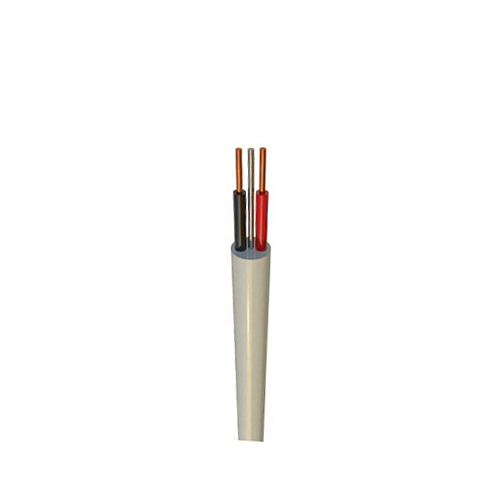
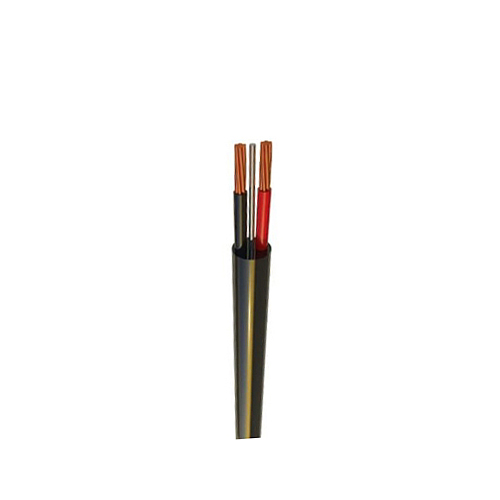









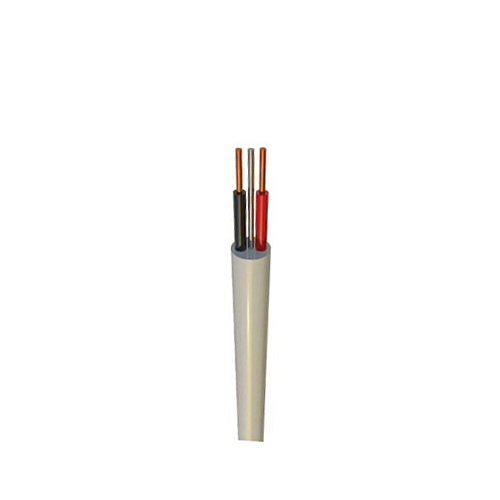
Shop Surfix Cable – 100M Rolls

⚠️ Safety & Compliance Notice
All electrical installations in South Africa must comply with SANS 10142-1 (Wiring Code) and the Occupational Health & Safety Act. Work must be carried out by a qualified, registered electrician.
This article is for general educational purposes only. It does not replace professional advice, and Lite-Glo accepts no liability for how this information is used. Always obtain a valid Certificate of Compliance (CoC) for any electrical work.
Need Assistance?
📧 [email protected]
📞 011 781 3100
💬 WhatsApp: 060 322 9674