


MCB vs MCCB – What’s the Difference?
Why Circuit Protection Devices Matter
Circuit breakers are essential for protecting electrical systems from overloads and short circuits. In South Africa, two common types are MCBs (Miniature Circuit Breakers) and MCCBs (Moulded Case Circuit Breakers). At first glance they both serve a similar purpose, but they are designed for very different applications.
Understanding the difference helps electricians, contractors, and even homeowners choose the right protection device for each installation.
What is an MCB?
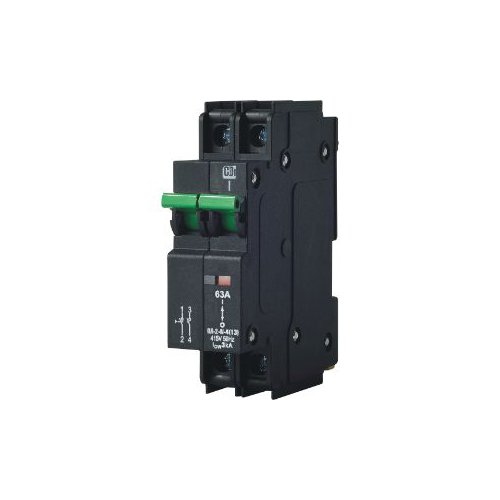
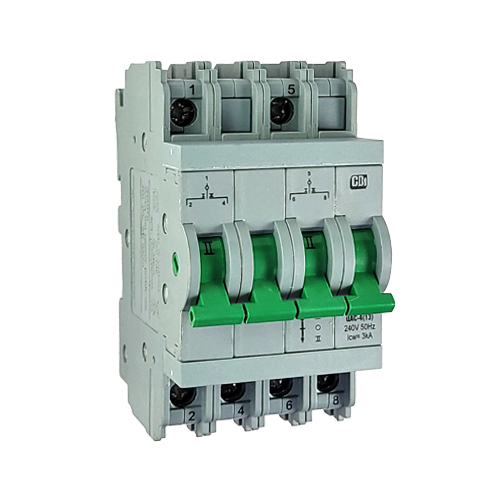
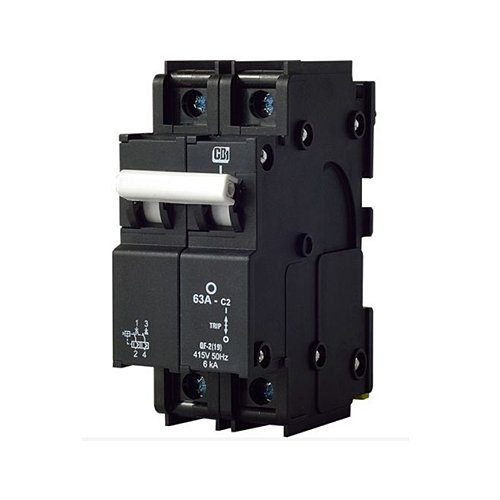
An MCB, or Miniature Circuit Breaker, is designed for low-voltage residential and small commercial applications.
-
Typically rated up to 100A
-
Protects circuits from overload and short circuit conditions
-
Compact in size, fits onto DIN and Samite rail DB boards
-
Commonly used for lighting, plug circuits, and small appliances
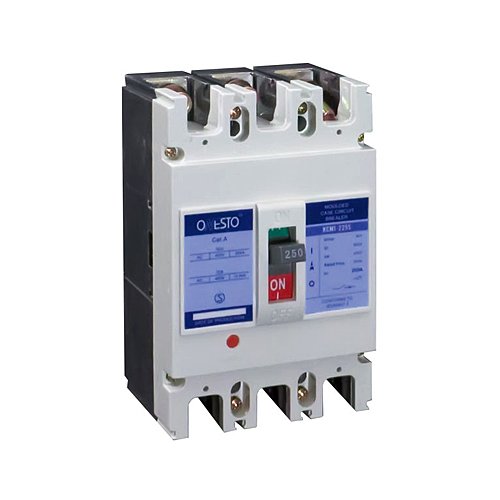
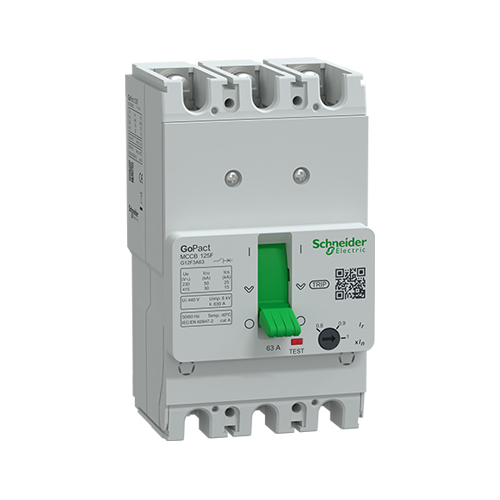
What is an MCCB?
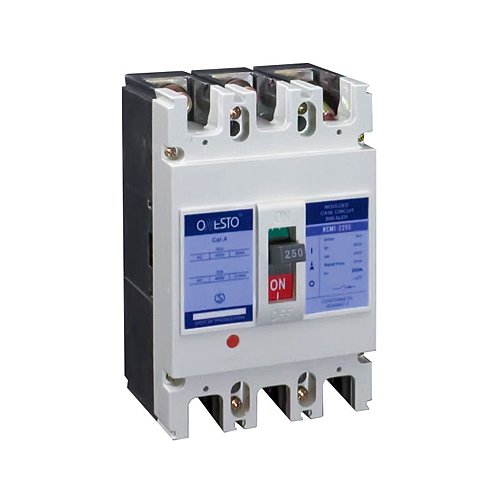
An MCCB, or Moulded Case Circuit Breaker, is used in larger commercial and industrial applications.
-
Rated from 100A up to 2,500A or higher
-
Provides protection for high-power circuits and equipment
-
Larger in size with adjustable trip settings
-
Used in factories, commercial buildings, and heavy machinery installations
Key Differences Between MCB and MCCB
-
Current rating: MCBs are limited to around 100A, MCCBs can handle much higher currents
-
Adjustability: MCCBs allow trip settings to be adjusted, MCBs are fixed
-
Size and installation: MCBs are compact and used in domestic DB boards, MCCBs are bulkier and used in industrial panels
-
Application: MCBs protect small circuits; MCCBs protect entire feeders, sub-mains, or large equipment
When to Use MCB vs MCCB
-
MCB: Residential homes, office circuits, lighting, plugs, geysers, and stoves
-
MCCB: Large industrial machinery, backup generator protection, high-capacity commercial systems, and distribution feeders
Common Mistakes to Avoid
-
Using an MCB in place of an MCCB for heavy machinery
-
Incorrect current rating selection, leading to nuisance tripping
-
Not providing proper coordination between breakers in a system
-
DIY replacement of breakers without understanding load requirements
FAQs
What does MCB stand for?
Miniature Circuit Breaker.
What does MCCB stand for?
Moulded Case Circuit Breaker.
Can I use an MCB for a commercial installation?
Yes, but only for small circuits. Larger loads need an MCCB.
Which is more expensive, MCB or MCCB?
MCCBs are more expensive due to higher ratings and adjustability.
Are both MCB and MCCB compliant in South Africa?
Yes, provided they are correctly rated and installed according to SANS 10142.
Circuit Breakers from Lite-Glo
Lite-Glo stocks a full range of AC and DC circuit breakers, surge protection devices, earth leakage units, and more. Whether you need MCBs for domestic circuits or MCCBs for industrial installations, we have you covered.
Shop MCB’s




Shop MCCB’s








⚠️ Safety & Compliance Notice
All electrical installations in South Africa must comply with SANS 10142-1 (Wiring Code) and the Occupational Health & Safety Act. Work must be carried out by a qualified, registered electrician.
This article is for general educational purposes only. It does not replace professional advice, and Lite-Glo accepts no liability for how this information is used. Always obtain a valid Certificate of Compliance (CoC) for any electrical work.
Need Assistance?
📧 onlinesales@liteglo.co.za
📞 011 781 3100
💬 WhatsApp: 060 322 9674