


Cable tray vs cable ladder vs trunking: which do you need? (South Africa)
Quick answer: Use a cable tray (including wire-mesh basket tray) to support medium and large bundles of power and data cable along walls, ceilings and through plant rooms; use a cable ladder for heavy, long-span runs of armoured and high-current cable in industrial settings; and use trunking (PVC or steel) to neatly enclose and hide cables in offices, homes and visible indoor areas. In short: tray = support and airflow, ladder = heavy-duty strength, trunking = concealment and protection.
All three are cable-management systems that carry the same goal — getting cables safely from A to B — but they solve it differently. A cable tray is an open, ventilated channel (perforated, solid-bottom or wire mesh) that supports cables while letting heat escape. A cable ladder is exactly what it sounds like: two side rails joined by rungs, built to carry the weight of large armoured cables over long unsupported spans. Trunking is a closed box-section with a removable lid that hides and protects cables in finished, visible spaces. Below we break down each one, the South African standards that govern them, and exactly which to choose for your job.
Cable tray vs ladder vs trunking: the quick-compare table
Here is the honest at-a-glance comparison. Match the system to the load, the environment and whether the cables need to be hidden or just supported.
| System | What it is | Best for | Load / span | Cables hidden? |
|---|---|---|---|---|
| Wire-mesh cable tray | Welded steel-wire basket, open on all sides | Data & comms, light-to-medium power, fast installs | Light–medium | No (visible, ventilated) |
| Perforated / light-duty tray | Pressed-steel channel with a slotted base | General power & control cable on walls/ceilings | Medium | No (ventilated) |
| Cable ladder | Two rails joined by rungs | Heavy armoured & high-current cable, long spans | Heavy / long span | No (fully open) |
| PVC trunking | Boxed plastic channel with a clip-on lid | Offices, homes, surface wiring you want hidden | Light | Yes (enclosed) |
| Steel trunking | Boxed steel channel with a lid | Industrial / mechanically-exposed indoor runs | Light–medium | Yes (enclosed) |
The deciding question is almost always: how heavy is the cable, and does it need to be hidden? Heavy and exposed → ladder. Medium and ventilated → tray. Light and concealed → trunking.
What is a cable tray?
A cable tray is an open, rigid support system that holds cables in place while letting air flow around them to keep them cool. Because it is open rather than enclosed, a tray dissipates heat far better than trunking, which means cables can run closer to their full current rating. Trays come in three common forms in South Africa: wire-mesh (basket) tray, perforated / light-duty steel tray, and solid-bottom tray. Wire-mesh tray has become the contractor favourite for data centres, comms rooms and commercial fit-outs because it is light, cuts and bends on site with a bolt-cutter, and you can see every cable in the run.
Wire-mesh (basket) cable tray
Wire-mesh tray is a welded grid of galvanised steel wires formed into a U-shaped basket. It is the fastest tray to install: it is light to carry, drops onto support channels or threaded rod, and is joined with simple splice clamps rather than bolts and washers. The open mesh gives excellent ventilation and makes future cable additions easy — you just lay the new cable in. It suits data and comms cabling, light-to-medium power runs, and any job where speed and visibility matter. Browse our wire-mesh cable tray range in 50mm, 100mm, 150mm, 200mm and 300mm widths, plus the bends, tees and splice clamps to complete the run.
Light-duty & perforated cable tray
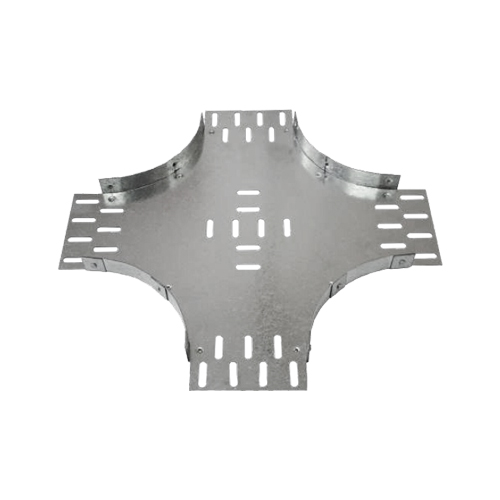
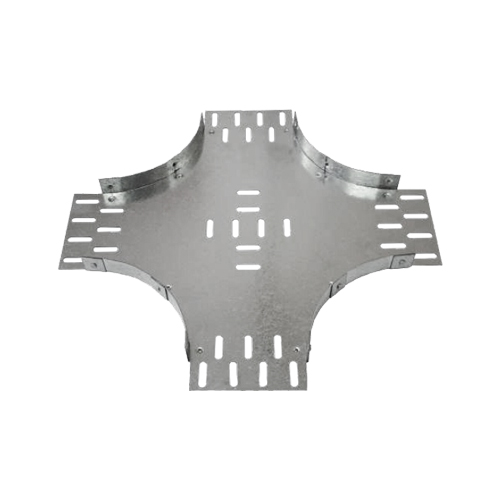
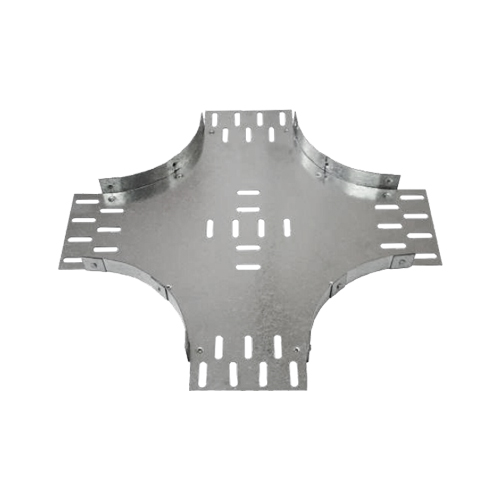
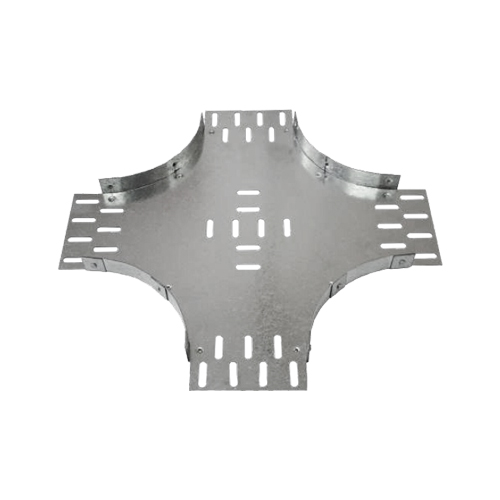
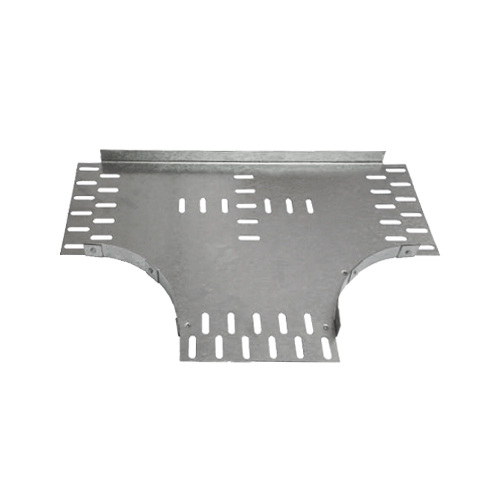
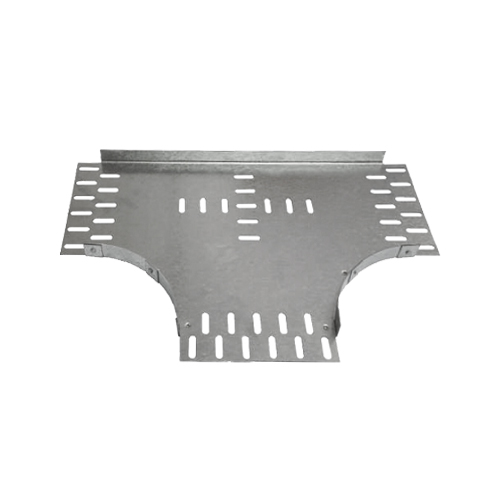
Light-duty perforated tray is a pressed-steel channel with a slotted (perforated) base. The slots let you fix cables down with ties and still allow airflow, and the solid side rails give it more rigidity than mesh for surface-run power and control cabling along walls and ceilings. It is a tidy, traditional choice for general electrical reticulation in commercial buildings. Lite-Glo stocks light-duty tray from 50mm up to 304mm wide, in 3-metre lengths with matching horizontal bends and tees.
What is a cable ladder?
A cable ladder is a heavy-duty support system made of two strong side rails joined by regularly-spaced rungs, like a ladder lying on its side. It is built for one job: carrying large, heavy cables — thick armoured (SWA) cable, high-current feeders, multiple parallel runs — over long distances with fewer supports. The rungs carry the cable weight while leaving the run almost completely open, so heat escapes freely and you can strap cables down at each rung. Ladders are the standard in industrial plants, substations, mines, factories and large solar installations where cable is big and runs are long. Where a wire-mesh tray would sag under the load, a ladder holds the line.
What is trunking?
Trunking is an enclosed channel — a box section with a removable or clip-on lid — that completely hides and protects the cables inside it. Unlike tray and ladder, trunking is about concealment and protection, not just support. It is the right choice when the cabling is on show: surface wiring in offices, homes, shops, workshops and along skirtings, where you want a neat finished look and protection from knocks, dust and tampering. The two common types in South Africa are PVC trunking (white, light, easy to cut and the default for indoor surface wiring) and steel trunking (stronger, for industrial indoor runs that need mechanical protection). Explore the PVC trunking range in sizes from 16×16mm up to 100×40mm, with matching end caps and accessories.
A quick word on a related product people often confuse with trunking: conduit. Conduit is round pipe (PVC or steel) that carries cable, usually chased into a wall or run on a surface, and is the standard for concealed wiring inside the building fabric. Trunking is the square-section, lidded surface version. See our conduit pipes & accessories if your run needs to be buried in the wall rather than surface-mounted.
Shop the cable management range
Everything in this guide — wire-mesh and light-duty cable tray, bends, tees, splice clamps, threaded rod and support channel — is in stock and shippable nationwide.






How to choose: tray, ladder or trunking for your job
Work through four questions and the answer falls out almost every time.
- How heavy is the cable? Big armoured cable and high-current feeders over long spans → cable ladder. Medium power, control and data bundles → cable tray. A few light circuits → trunking or conduit.
- Does it need to be hidden? If the run is on show and you want a clean finished look (office, home, shop), choose trunking. If it is in a plant room, ceiling void, comms room or service riser where looks don’t matter, an open tray or ladder is cheaper, cooler and faster.
- How hot will the cables run? Bundled power cables generate heat. Open, ventilated tray and ladder let that heat escape so cables keep their current rating; enclosed trunking traps heat, so it suits lighter loads.
- Indoors or out, corrosive or clean? For coastal, wet or chemically-aggressive sites, specify hot-dip galvanised or stainless steel tray/ladder. For dry indoor surface wiring, PVC trunking is fine and the most economical.
A typical commercial building uses all three: cable ladder on the main risers and plant feeders, wire-mesh tray for the data and general power reticulation across the ceilings, and trunking for the visible surface drops at the workstations.
Cable tray sizing: how wide a tray do I need?
As a practical rule, size a cable tray so the cables fill no more than about 50% of its width for power cable, leaving room for heat to escape and for future additions; data and comms tray is often filled a little more. Lay your cables out, measure the total width they occupy side by side, and pick the next tray size up. Lite-Glo wire-mesh and light-duty trays run from 50mm for a handful of cables up to 300mm+ for busy comms and power runs, so it is easy to step up a size. For heavy power feeders where bundles are large and weight is high, move to a cable ladder rather than forcing them onto a wide tray.
Cable management and SANS 10142: the rules that keep it legal
In South Africa, all fixed electrical installation work — including how cables are supported and routed — must comply with SANS 10142-1, the national wiring code, and the Occupational Health & Safety Act. Tray, ladder and trunking must be properly supported at the correct intervals, correctly earthed where they are metal, and installed so cables are not overloaded, overheated or damaged. The system must also be sized for the cables it carries and kept clear of sources of mechanical and thermal damage. Cable management on a fixed installation is not a DIY job: have it designed and installed by a qualified, registered electrician, and obtain a Certificate of Compliance (CoC) on completion — it protects your installation, your insurance and the people who use the building.
Frequently asked questions
What is the difference between a cable tray and a cable ladder?
A cable tray is a continuous support — perforated, solid or wire-mesh — that holds medium loads of cable while letting air flow around them. A cable ladder has two rails joined by open rungs and is built for heavy, large-diameter cable over long spans in industrial settings. Use a tray for general power and data; use a ladder when the cable is big and heavy and the runs are long.
When should I use trunking instead of cable tray?
Use trunking when the cabling is visible and you want it hidden and protected — surface wiring in offices, homes and shops, for example. Trunking is an enclosed, lidded channel that conceals cables and shields them from knocks and dust. Use cable tray when the run is out of sight (ceiling voids, comms rooms, plant rooms) and you want ventilation, lower cost and easy future additions.
What is wire-mesh cable tray used for?
Wire-mesh (basket) cable tray is used mainly for data, comms and light-to-medium power cabling in data centres, server rooms, offices and commercial fit-outs. It is light, installs fast with simple splice clamps, ventilates cables well and lets you add cables easily later. It is the contractor favourite where speed, airflow and visibility matter more than enclosure.
Is cable tray better than conduit?
Neither is universally better — they solve different problems. Cable tray supports many cables in an open, ventilated run and makes additions easy, which suits busy commercial and industrial reticulation. Conduit is round pipe that protects and conceals a small number of cables, usually inside a wall or surface-run, which suits domestic and concealed wiring. Many buildings use both.
What size cable tray do I need?
Lay the cables side by side, measure the total width, and choose a tray that they fill to no more than about 50% for power cabling (leaving room for heat and future cables); data trays can be filled a little more. Trays from 50mm up to 300mm+ cover most jobs — step up a size if you expect to add cables later or the cables run hot.
Does cable tray and trunking need to comply with SANS 10142?
Yes. How cables are supported, routed, earthed and protected forms part of the fixed installation, which must comply with SANS 10142-1 and be carried out by a registered electrician. Metal tray, ladder and trunking must be correctly earthed and supported, and you should obtain a Certificate of Compliance for the completed work.
Can I install cable tray or trunking myself?
You can run light, surface PVC trunking for non-fixed, plug-in cabling in your own home, but any fixed electrical installation — including the cable management that carries fixed wiring — must be installed and certified by a qualified, registered electrician to SANS 10142-1. When in doubt, use an electrician and get a CoC.
Get the right cable management — shop the Lite-Glo range
Whether you need a fast wire-mesh tray for a comms room, light-duty tray for a commercial power run, or neat PVC trunking for a surface install, Lite-Glo has been South Africa’s trusted electrical & lighting wholesaler since 1984. Browse the full cable tray range, the PVC trunking range and matching bends, tees, clamps and support channel, compare real specs and prices, and shop online atwww.liteglo.co.za with fast nationwide delivery for homeowners, contractors and electricians.
⚠️ Safety & Compliance Notice
All electrical installations in South Africa must comply with SANS 10142-1 (Wiring Code) and the Occupational Health & Safety Act. Work must be carried out by a qualified, registered electrician. This article is for general educational purposes only. It does not replace professional advice, and Lite-Glo accepts no liability for how this information is used. Always obtain a valid Certificate of Compliance (CoC) for any electrical work.
Need Assistance?
📧 [email protected]
📞 011 781 3100
💬 WhatsApp: 060 322 9674